





结论:小米Redmi Note 15 Pro
小米Redmi Note 15 Pro 拥有明亮的 AMOLED 显示屏、非常出色的电池续航能力、纤薄坚固的外壳和长期的软件支持。不过,相机性能一般。该机不支持 5G 或 eSIM 卡,HyperOS 2.0 包含干扰性广告。
小米让自己很为难。同价位的Redmi Note 15 5G 已经上市,除了提供 5G 连接外,摄像头也略胜一筹。一般来说,经常拍照的用户最好选择三星的Galaxy A 系列。
Pros
Cons
价格和供应情况

- $359.50XIAOMI Redmi Note 15 Pro 5G Ai (Compatible with Tmobile Mint Tello & Global) (512GB + 8GB) NFC 6.83" 120Hz 200MP Pro AI Camera Model 25080RABDG Unlocked Dual Sim Liberado (Black)
- $299.99XIAOMI Redmi Note 15 Pro 4G LTE Ai (for Tmobile Mint Tello & Global) (256GB + 8GB) 6.77" 120Hz 200MP AI Camera Model 25100RA69G Unlocked Dual Sim Liberado (Black)
- $369.50XIAOMI Redmi Note 15 Pro+ Plus 5G Ai (Compatible with Tmobile Mint Tello & Global) (512GB + 12GB) NFC 6.83" 120Hz 200MP Ultra Camera Model 2510ERA8BG Unlocked Dual Sim Liberado (Black)
小米为其Redmi Note 15 系列配备了丰富的阵容。共有五款经济型中端智能手机在争夺买家的注意力。Redmi Note 15 Pro 位于价格区间的中间,官方起售价为 350 欧元。
规格
外壳和功能:防水和至少 256 GB 的存储空间
Redmi Note 15 Pro 厚度仅为 8 毫米,拿在手里非常舒适,略微圆润的边角和边缘使其看起来非常纤薄。摄像头模块的最高点为 11.7 毫米。整体制造质量令人信服,缝隙紧密均匀。
根据小米公司的说法,Redmi Note 15 Pro 采用了内部钛金属结构,旨在提高抗摔性。此外,该手机还通过了 IP65 认证,显示屏由大猩猩 Victus 2 玻璃覆盖,因此可以很好地抵御物理压力。不过,背板完全由塑料制成。
混合 SIM 卡插槽支持最大 2 TB 的 microSD 卡。在我们使用 Angelbird AV Pro V60 参考卡进行的拷贝测试中,读卡器的平均传输速率达到了 36.3 MB/s,这是一个不错的成绩。


| SD Card Reader - average JPG Copy Test (av. of 3 runs) | |
| OnePlus Nord CE 5 (Angelbird V60) | |
| Xiaomi Redmi Note 15 Pro (Angelbird AV Pro V60) | |
| Average of class Smartphone (5.72 - 58.9, n=54, last 2 years) | |
| Xiaomi Poco M8 5G (Angelbird AV Pro V60) | |
| Xiaomi Redmi Note 14 Pro LTE (Angelbird AV Pro V60) | |
跨平台磁盘测试 (CPDT)
连接和操作WiFi 5、4G,不支持 eSIM 卡
Redmi Note 15 Pro 依赖 WiFi 5 作为其最快的无线局域网标准,即使对于经济型中端产品来说,这一标准现在也相当薄弱。在我们的参考路由器--华硕 ROG Rapture GT-AXE11000 上,传输速率保持稳定,但最高只能达到 380 Mbit/s。
该设备既不支持 5G 也不支持 eSIM,但提供良好的 4G 频率覆盖。混合 SIM 卡插槽可容纳两个 nano-SIM 卡或一个 SIM 卡和一个 microSD 卡。通话质量不错,尽管该设备并不总是能可靠地抑制嘈杂的环境噪声。在安静的环境中,包括使用免提电话时,通话清晰度没有问题。
电容式触摸屏反应迅速,输入无延迟。位于显示屏下方的指纹传感器也是如此。还支持通过 2D 面部识别解锁。线性振动电机是另一个值得称赞的地方,因为它运行安静,而且振动强度可以连续调节。
| Networking | |
| Xiaomi Redmi Note 15 Pro | |
| iperf3 transmit AXE11000 | |
| iperf3 receive AXE11000 | |
| Motorola Edge 60 Neo | |
| iperf3 transmit AXE11000 6GHz | |
| iperf3 receive AXE11000 6GHz | |
| OnePlus Nord CE 5 | |
| iperf3 transmit AXE11000 | |
| iperf3 receive AXE11000 | |
| Samsung Galaxy A36 5G | |
| iperf3 transmit AXE11000 | |
| iperf3 receive AXE11000 | |
| Xiaomi Poco M8 5G | |
| iperf3 transmit AXE11000 | |
| iperf3 receive AXE11000 | |
| Xiaomi Redmi Note 14 Pro LTE | |
| iperf3 transmit AXE11000 | |
| iperf3 receive AXE11000 | |
| Average 802.11 a/b/g/n/ac | |
| iperf3 transmit AXE11000 | |
| iperf3 receive AXE11000 | |
| iperf3 transmit AXE11000 6GHz | |
| iperf3 receive AXE11000 6GHz | |
| Average of class Smartphone | |
| iperf3 transmit AXE11000 | |
| iperf3 receive AXE11000 | |
| iperf3 transmit AXE11000 6GHz | |
| iperf3 receive AXE11000 6GHz | |
软件和可持续性:支持高达Android 19
摄像头:2 亿像素,带 OIS,但视频仅限 1080p

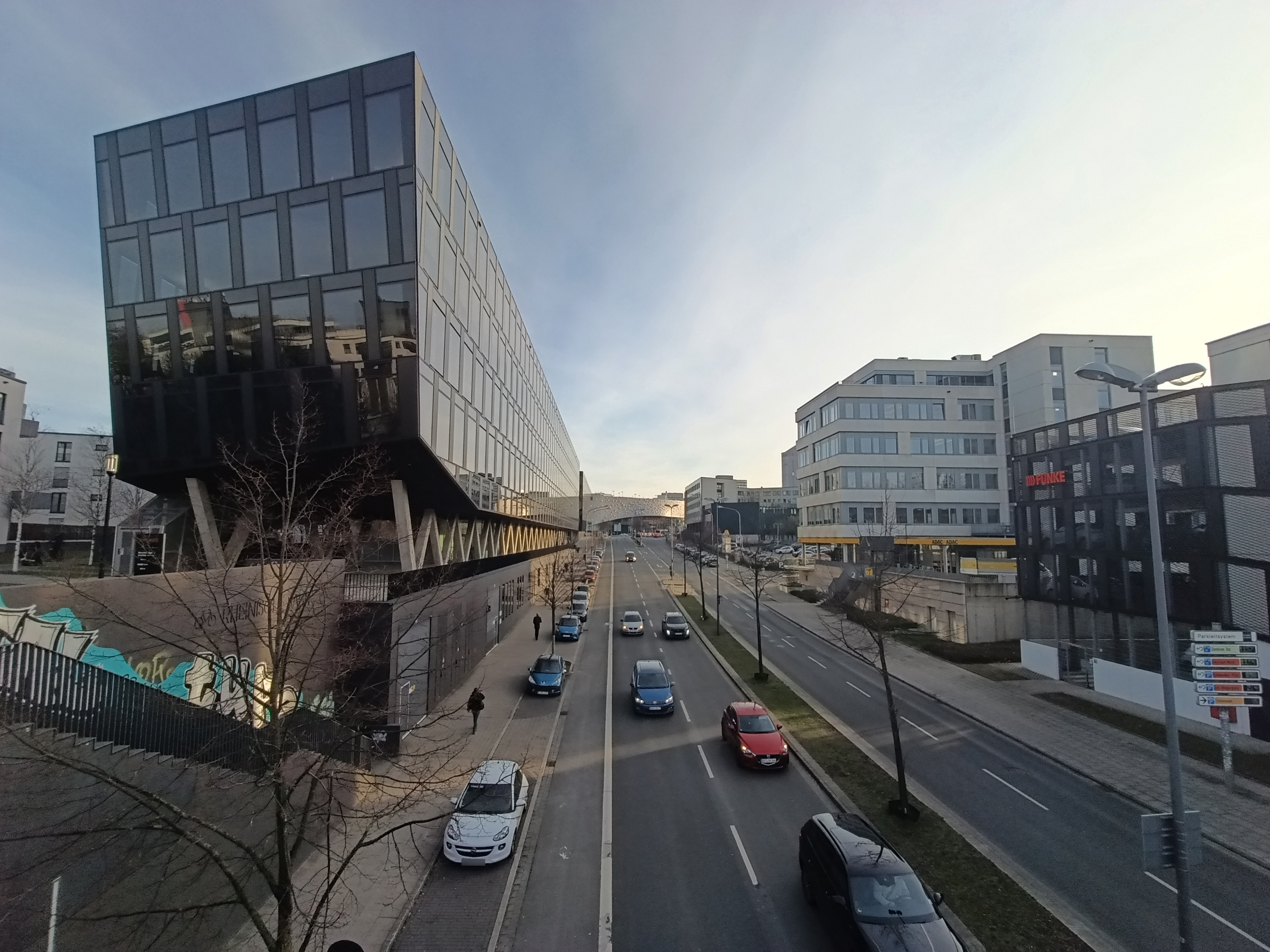
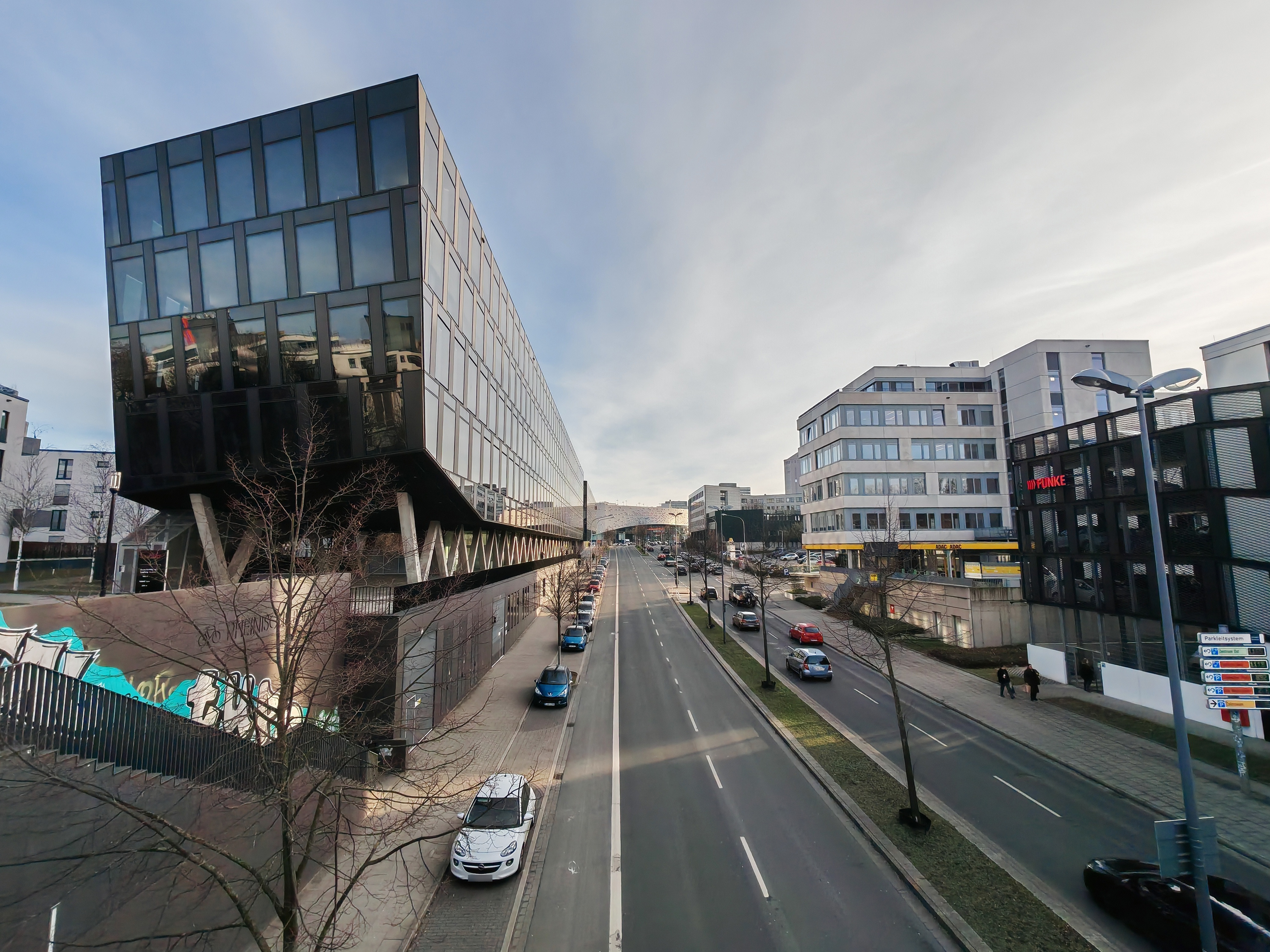
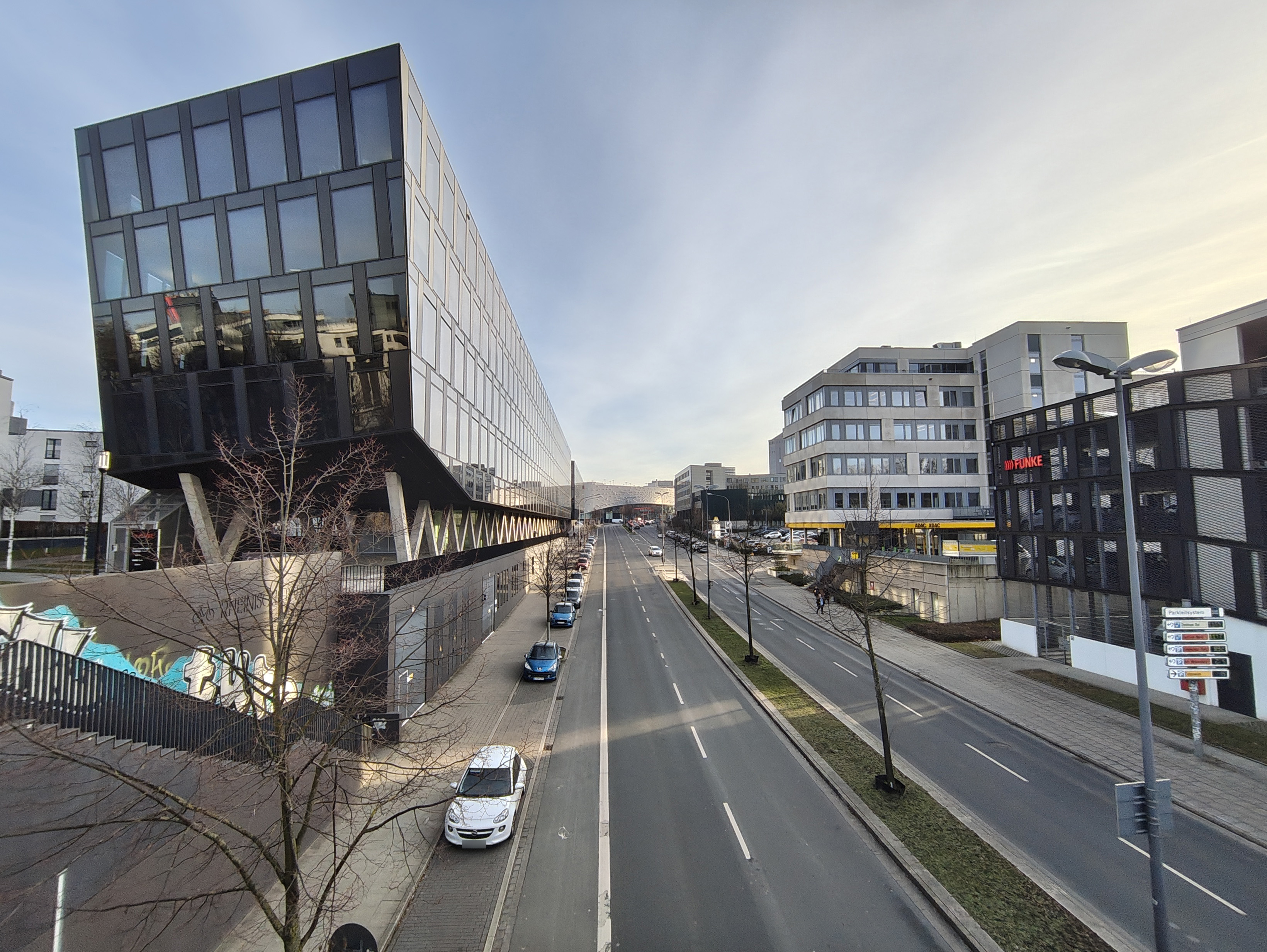
Redmi Note 15 Pro 的摄像头设置与 14 Pro LTE 几乎完全相同。 Redmi Note 14 Pro LTE.自拍摄像头的分辨率仍为 3200 万像素,并能继续生成清晰的图像。
手机不再配备前代产品的 200 万像素微距摄像头。取而代之的是 200 万像素主摄像头和 800 万像素超广角摄像头的组合。在日光下,主摄像头能拍摄出不错的照片,但细节不够精细,色彩略显暗淡。
在弱光环境下,摄像头的拍摄效果明显不佳。数码变焦最高可达 5 倍,也可以拍摄 200 万像素分辨率的照片。超广角摄像头的表现明显不如主传感器。其图像颗粒感较强,边缘较软并有涂抹现象。
由于采用了光学防抖技术,主摄像头可以录制整体质量良好的视频。不过,主摄像头和自拍摄像头的最大拍摄速度都被限制在 1080p 每秒 30 帧。
Image comparison
Choose a scene and navigate within the first image. One click changes the position on touchscreens. One click on the zoomed-in image opens the original in a new window. The first image shows the scaled photograph of the test device.
Tageslicht-AufnahmeTageslicht-AufnahmeUltraweitwinkel5-facher ZoomLowlight-Aufnahme




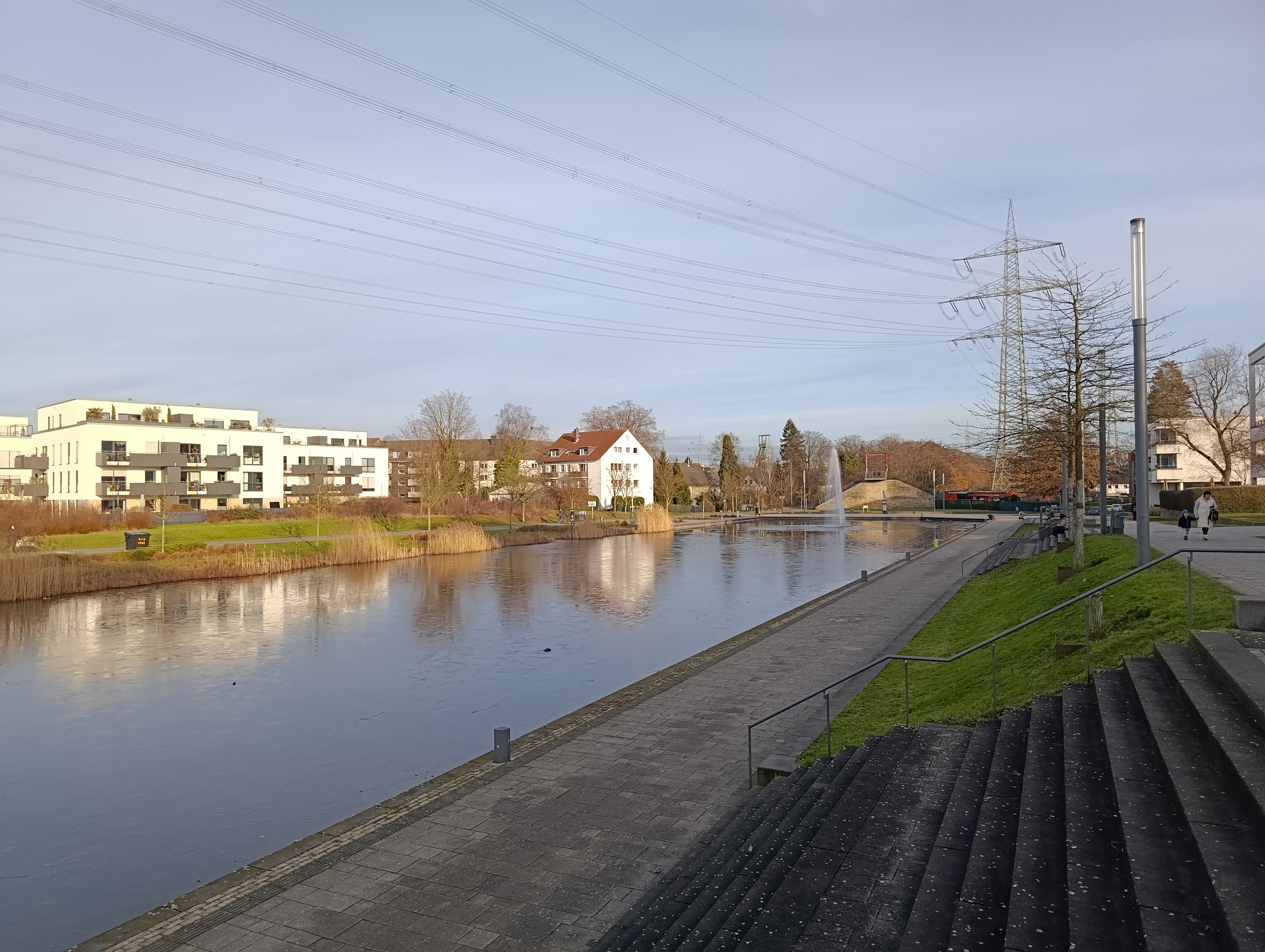
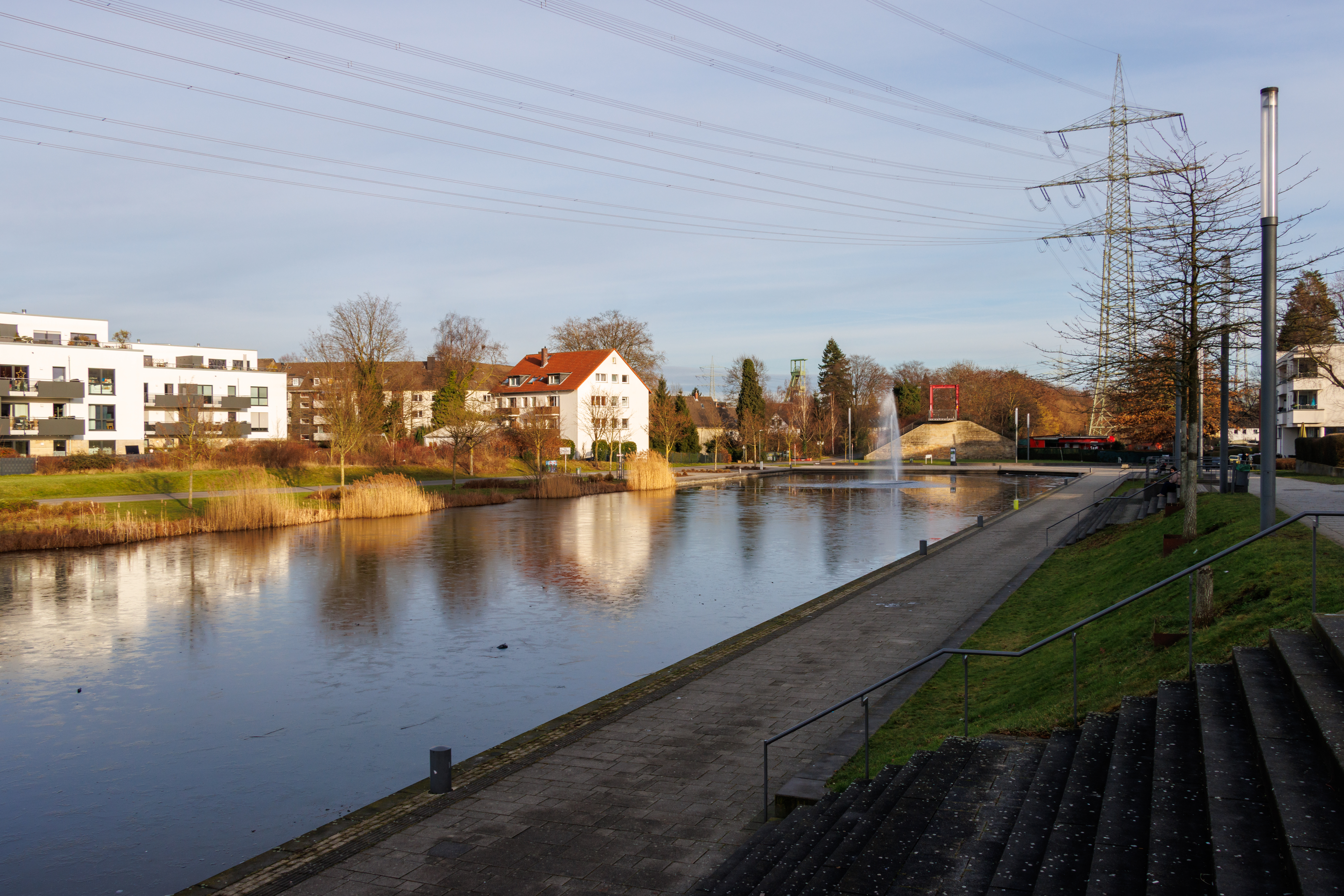
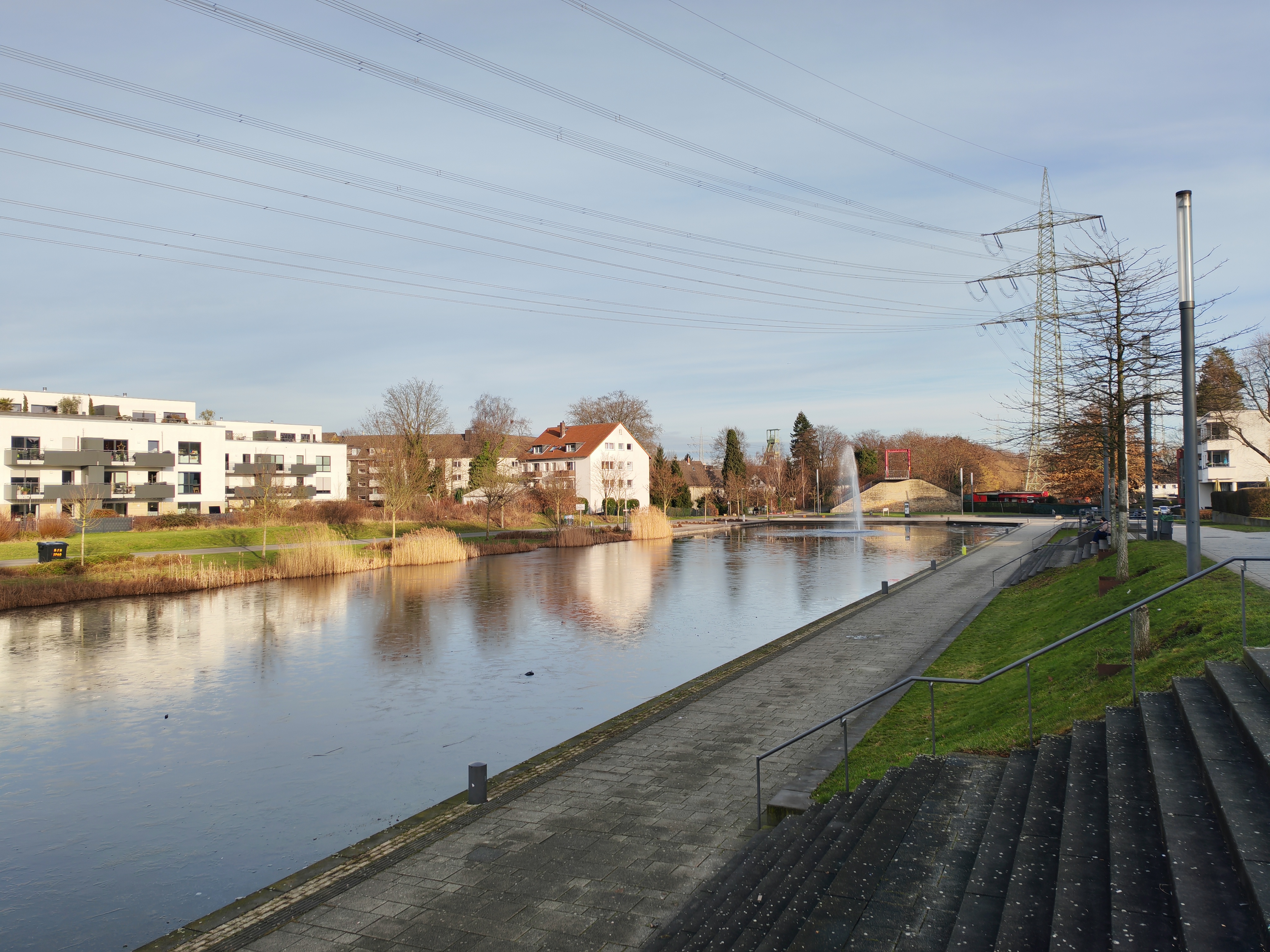
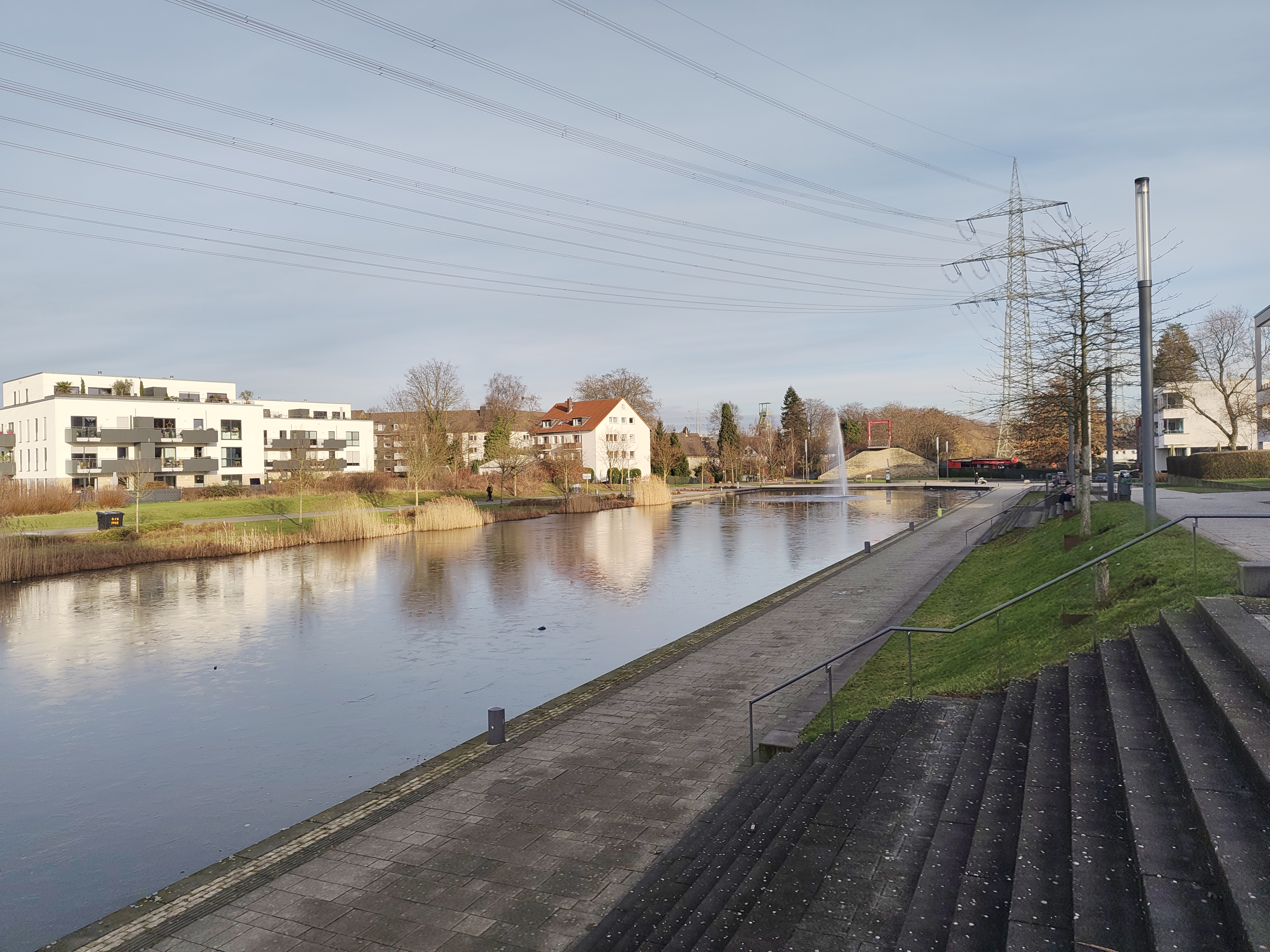














显示屏:比预期更亮,高频 PWM 调光
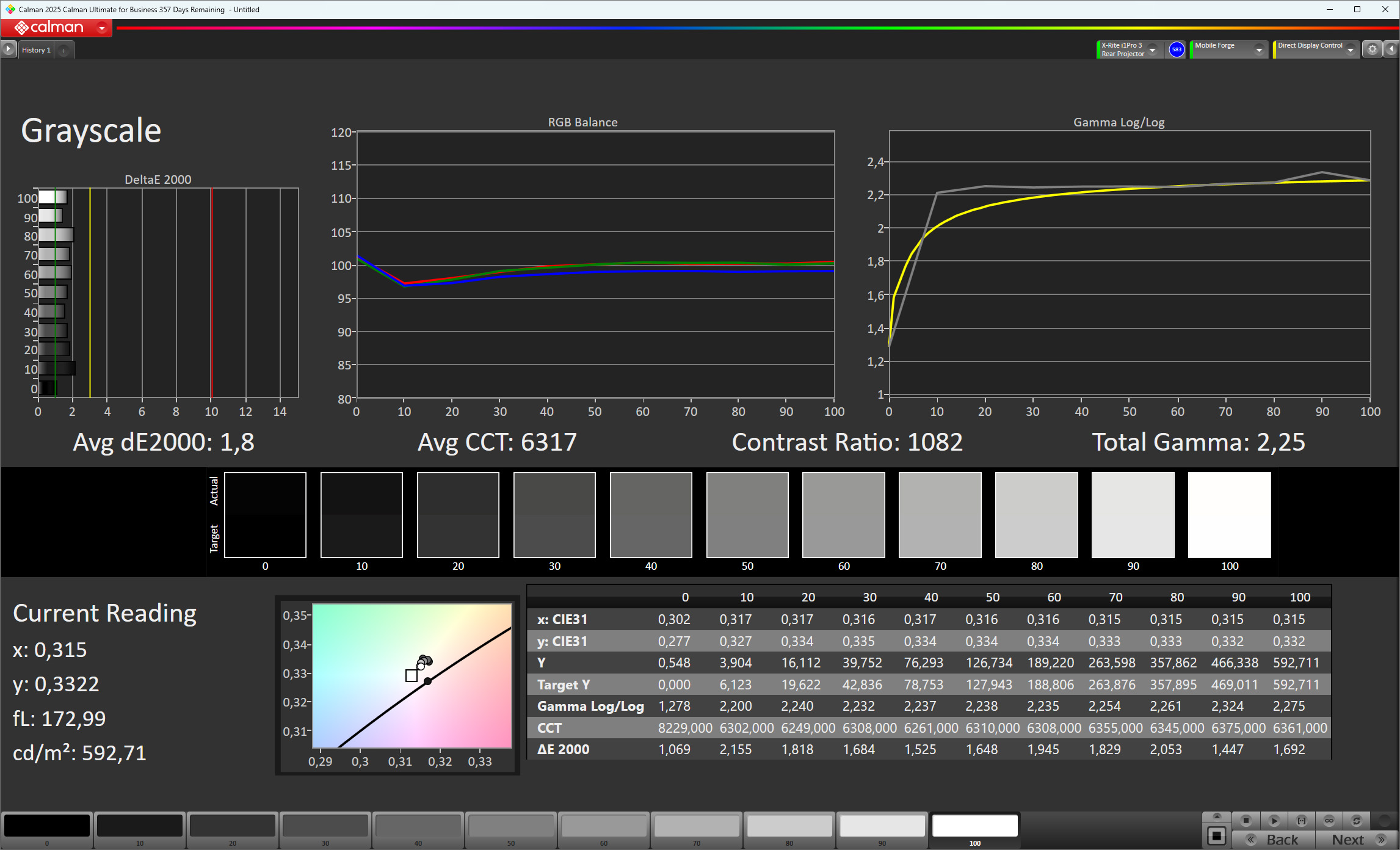
在小图像段(APL18 测量值为 3666 cd/m²)和 HDR(4115 cd/m²)中,AMOLED 显示屏的亮度明显超过了制造商标称的 3200 nit 峰值。禁用亮度传感器后,面板最高亮度可达 620 cd/m²,在阳光模式下为 822 cd/m²。对闪烁敏感的用户会喜欢高 PWM 调光频率。我们测得的频率为 3125 赫兹,而小米列出的频率为 3840 赫兹。
得益于高亮度储备,Redmi Note 15 Pro 在户外也能轻松使用。几乎在任何光线条件下,屏幕内容都清晰易读。
| |||||||||||||||||||||||||
Brightness Distribution: 93 %
Center on Battery: 1023 cd/m²
Contrast: ∞:1 (Black: 0 cd/m²)
ΔE ColorChecker Calman: 1.7 | ∀{0.5-29.43 Ø4.69}
ΔE Greyscale Calman: 1.8 | ∀{0.09-98 Ø4.94}
98.2% sRGB (Calman 2D)
Gamma: 2.25
CCT: 6317 K
| Xiaomi Redmi Note 15 Pro AMOLED, 2392x1080, 6.8" | Motorola Edge 60 Neo pOLED, 2670x1200, 6.4" | OnePlus Nord CE 5 AMOLED, 2392x1080, 6.8" | Samsung Galaxy A36 5G Super AMOLED, 2340x1080, 6.7" | Xiaomi Poco M8 5G AMOLED, 2392x1080, 6.8" | Xiaomi Redmi Note 14 Pro LTE AMOLED, 2400x1080, 6.7" | |
|---|---|---|---|---|---|---|
| Screen | 16% | 22% | 9% | 18% | 5% | |
| Brightness middle (cd/m²) | 1023 | 1132 11% | 1315 29% | 1127 10% | 953 -7% | 1298 27% |
| Brightness (cd/m²) | 1021 | 1114 9% | 1300 27% | 1137 11% | 954 -7% | 1303 28% |
| Brightness Distribution (%) | 93 | 98 5% | 97 4% | 98 5% | 95 2% | 93 0% |
| Black Level * (cd/m²) | ||||||
| Colorchecker dE 2000 * | 1.7 | 1.55 9% | 1.22 28% | 1.8 -6% | 1 41% | 1.8 -6% |
| Colorchecker dE 2000 max. * | 6 | 3.28 45% | 2.7 55% | 2.8 53% | 2.3 62% | 5.5 8% |
| Greyscale dE 2000 * | 1.8 | 1.5 17% | 2 -11% | 2.1 -17% | 1.5 17% | 2.3 -28% |
| Gamma | 2.25 98% | 2.107 104% | 2.258 97% | 2.11 104% | 2.22 99% | 2.28 96% |
| CCT | 6317 103% | 6473 100% | 6503 100% | 6466 101% | 6694 97% | 6104 106% |
* ... smaller is better
| Display / APL18 Peak Brightness | |
| Xiaomi Redmi Note 15 Pro | |
| Samsung Galaxy A36 5G | |
| Xiaomi Redmi Note 14 Pro LTE | |
| Display / HDR Peak Brightness | |
| Xiaomi Redmi Note 15 Pro | |
| Samsung Galaxy A36 5G | |
| Xiaomi Redmi Note 14 Pro LTE | |
Screen Flickering / PWM (Pulse-Width Modulation)
| Screen flickering / PWM detected | 120 Hz Amplitude: 13.7 % Secondary Frequency: 3125 Hz | 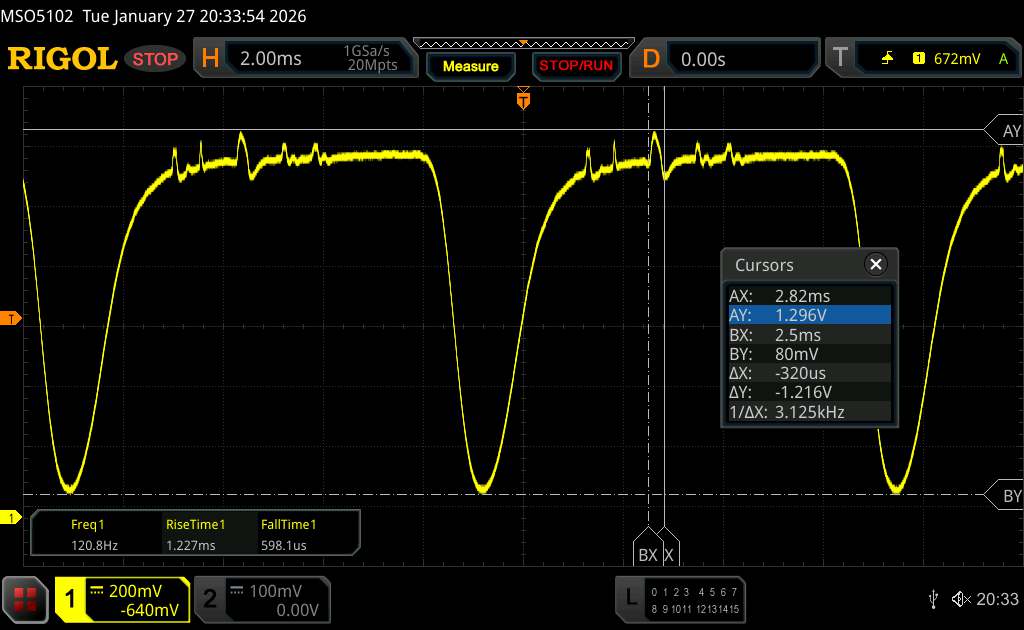 | |
The display backlight flickers at 120 Hz (worst case, e.g., utilizing PWM) . The frequency of 120 Hz is very low, so the flickering may cause eyestrain and headaches after extended use. In comparison: 52 % of all tested devices do not use PWM to dim the display. If PWM was detected, an average of 7594 (minimum: 5 - maximum: 343500) Hz was measured. | |||
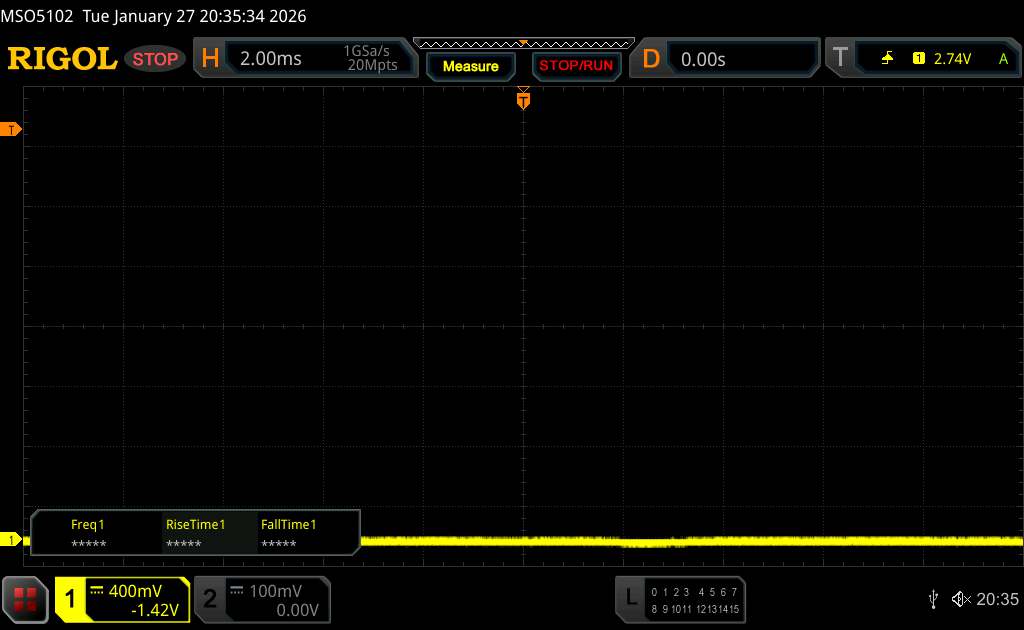
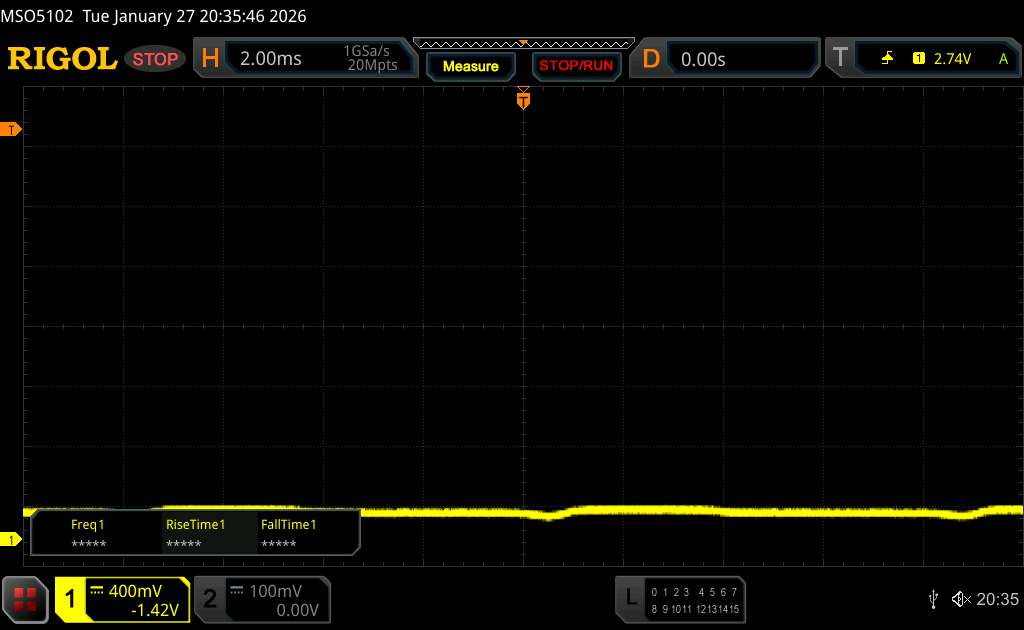
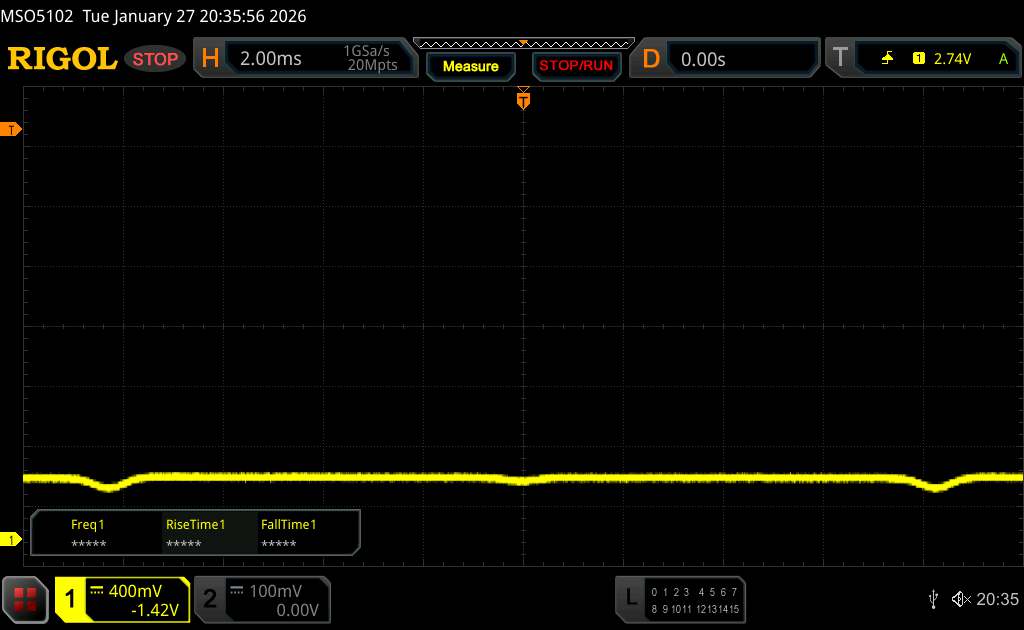
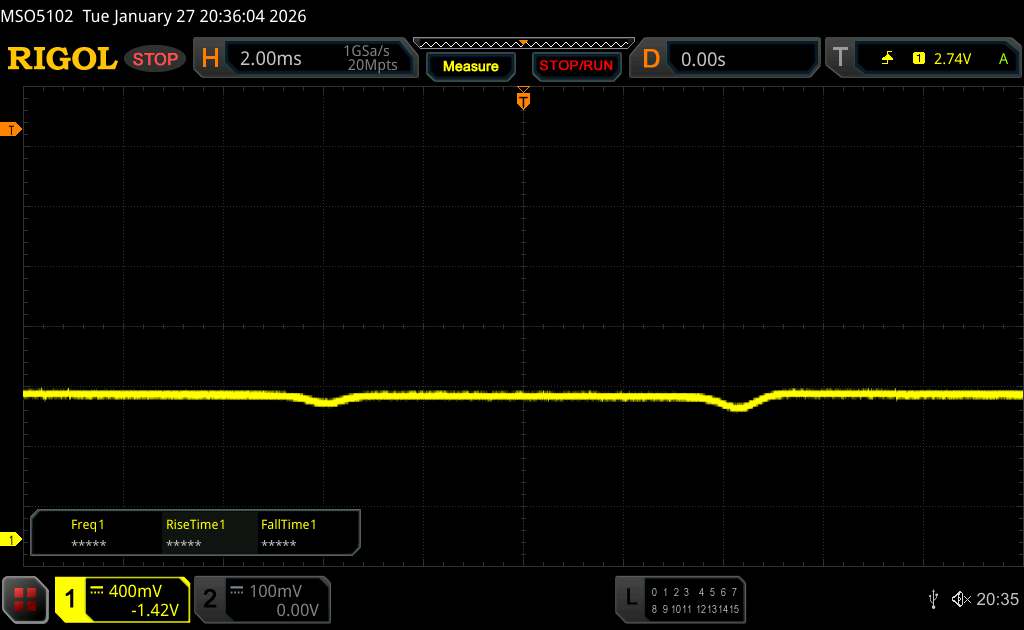
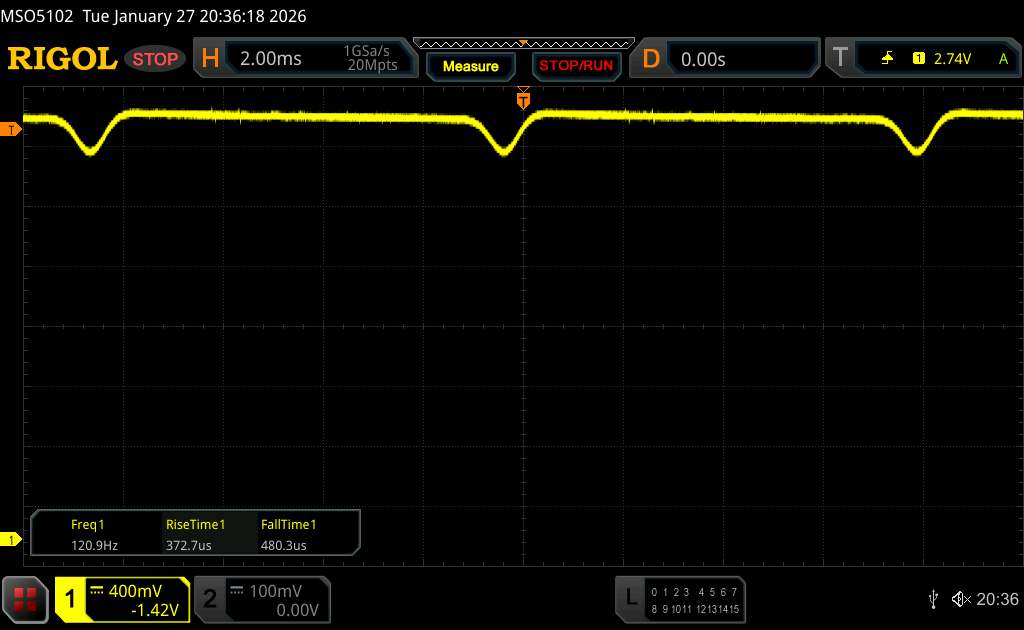
固定缩放级别和不同亮度设置下的测量系列(最低亮度下的振幅曲线看起来很平,但这是缩放造成的。信息框显示的是最小亮度下的振幅放大图)


Display Response Times
| ↔ Response Time Black to White | ||
|---|---|---|
| 1.1 ms ... rise ↗ and fall ↘ combined | ↗ 0.5125 ms rise | 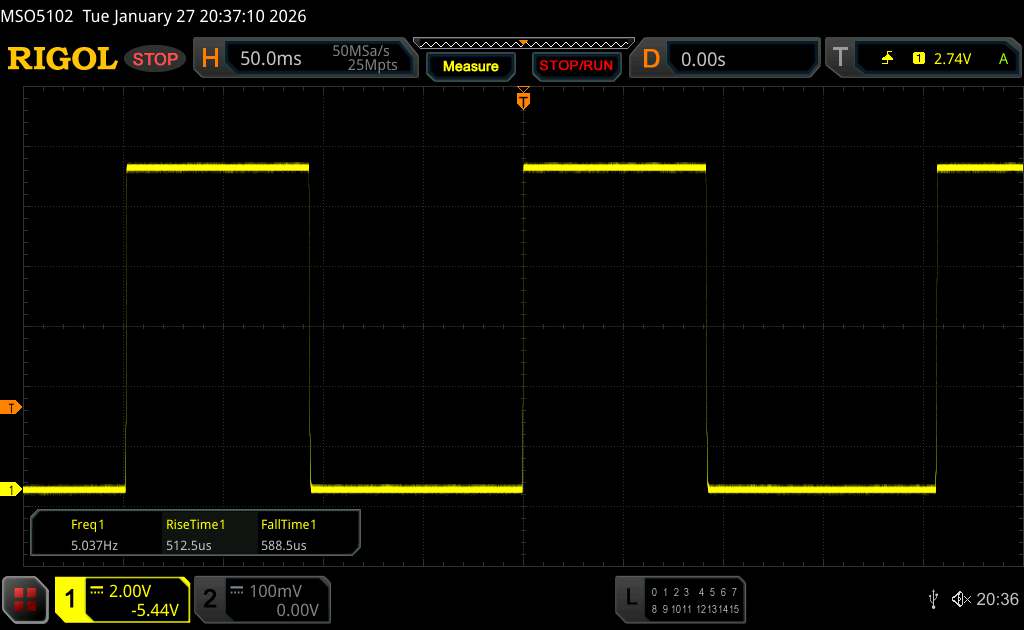 |
| ↘ 0.5885 ms fall | ||
| The screen shows very fast response rates in our tests and should be very well suited for fast-paced gaming. In comparison, all tested devices range from 0.1 (minimum) to 240 (maximum) ms. » 6 % of all devices are better. This means that the measured response time is better than the average of all tested devices (19.6 ms). | ||
| ↔ Response Time 50% Grey to 80% Grey | ||
| 1.06 ms ... rise ↗ and fall ↘ combined | ↗ 0.4665 ms rise | 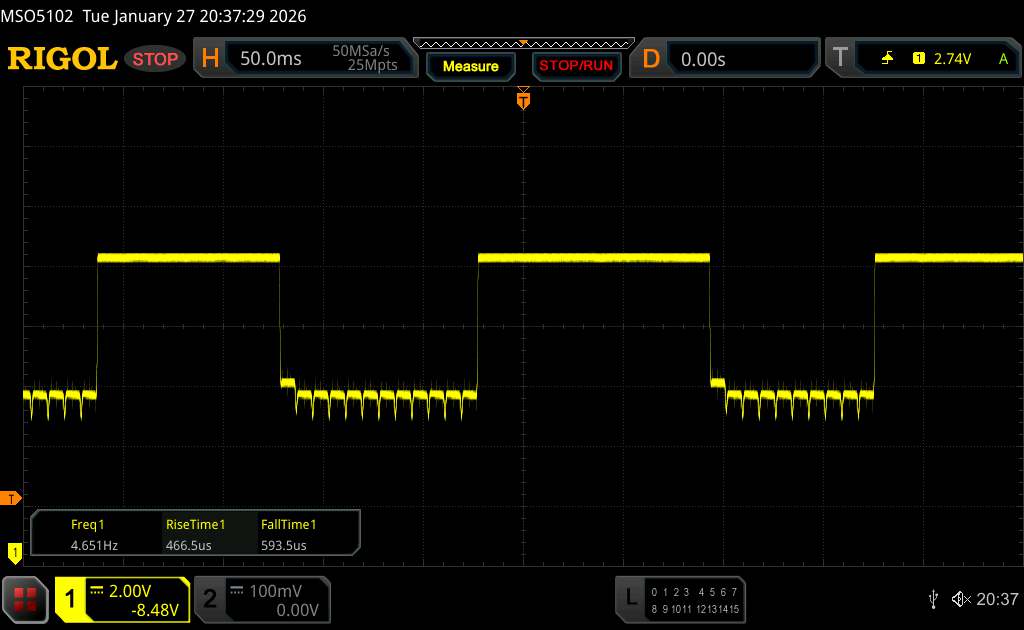 |
| ↘ 0.5935 ms fall | ||
| The screen shows very fast response rates in our tests and should be very well suited for fast-paced gaming. In comparison, all tested devices range from 0.13 (minimum) to 636 (maximum) ms. » 5 % of all devices are better. This means that the measured response time is better than the average of all tested devices (30.7 ms). | ||


性能、排放和电池续航时间:游戏能力强,续航时间长
从纸面上看,联发科 联发科 Helio G200略快于 联发科 Helio G100 的 前代但实际上差别并不明显。其性能足以满足日常应用的需求,即使是《源氏冲击》这样的重度游戏,在降低细节级别后也能流畅运行。不过,一些竞争对手的性能要高得多。
Redmi Note 15 Pro 配备了立体声扬声器,但即使在中等音量下听起来高音也比较重。另一方面,声音重现非常清晰。外部音频输出可通过 USB-C 和蓝牙实现。
Redmi Note 15 Pro 配备了 6500 毫安时锂电池和硅碳阳极,电池续航时间高于平均水平,超过了强劲的竞争对手,如:三星 A36 5G。 三星Galaxy A36 5G.该设备的充电功率高达 45 瓦,在我们的测试中,1 小时 20 分钟即可完成一个完整的充电周期。
| UL Procyon AI Inference for Android - Overall Score NNAPI | |
| Motorola Edge 60 Neo | |
| Average of class Smartphone (2895 - 66164, n=96, last 2 years) | |
| Xiaomi Redmi Note 15 Pro | |
| Average Mediatek Helio G200 (n=1) | |
| Xiaomi Redmi Note 14 Pro LTE | |
| Samsung Galaxy A36 5G | |
| Xiaomi Redmi Note 15 Pro | OnePlus Nord CE 5 | Samsung Galaxy A36 5G | Xiaomi Poco M8 5G | Xiaomi Redmi Note 14 Pro LTE | Average 256 GB UFS 2.2 Flash | Average of class Smartphone | |
|---|---|---|---|---|---|---|---|
| AndroBench 3-5 | 12% | -36% | 0% | -5% | -3% | 91% | |
| Sequential Read 256KB (MB/s) | 963.93 | 1235 28% | 968.34 0% | 1042.73 8% | 933 -3% | 905 ? -6% | 2264 ? 135% |
| Sequential Write 256KB (MB/s) | 837.79 | 795 -5% | 166.77 -80% | 893.75 7% | 798 -5% | 738 ? -12% | 1966 ? 135% |
| Random Read 4KB (MB/s) | 204.48 | 222 9% | 233.98 14% | 146.5 -28% | 218 7% | 224 ? 10% | 316 ? 55% |
| Random Write 4KB (MB/s) | 259.84 | 302 16% | 62.58 -76% | 294.99 14% | 215 -17% | 248 ? -5% | 362 ? 39% |
(+) The maximum temperature on the upper side is 38.1 °C / 101 F, compared to the average of 35.4 °C / 96 F, ranging from 21.9 to 247 °C for the class Smartphone.
(+) The bottom heats up to a maximum of 37.4 °C / 99 F, compared to the average of 34.1 °C / 93 F
(+) In idle usage, the average temperature for the upper side is 25.4 °C / 78 F, compared to the device average of 33 °C / 91 F.
3DMark 压力测试
| 3DMark | |
| Wild Life Stress Test Stability | |
| Xiaomi Redmi Note 14 Pro LTE | |
| Xiaomi Redmi Note 15 Pro | |
| Samsung Galaxy A36 5G | |
| Motorola Edge 60 Neo | |
| Xiaomi Poco M8 5G | |
| Wild Life Extreme Stress Test | |
| Xiaomi Redmi Note 15 Pro | |
| Motorola Edge 60 Neo | |
| Xiaomi Poco M8 5G | |
| Xiaomi Redmi Note 14 Pro LTE | |
| Samsung Galaxy A36 5G | |
| OnePlus Nord CE 5 | |
| Steel Nomad Light Stress Test Stability | |
| Motorola Edge 60 Neo | |
| Xiaomi Poco M8 5G | |
| Xiaomi Redmi Note 15 Pro | |
Xiaomi Redmi Note 15 Pro audio analysis
(+) | speakers can play relatively loud (91.3 dB)
Bass 100 - 315 Hz
(-) | nearly no bass - on average 25.8% lower than median
(+) | bass is linear (5.4% delta to prev. frequency)
Mids 400 - 2000 Hz
(±) | reduced mids - on average 8% lower than median
(+) | mids are linear (6.5% delta to prev. frequency)
Highs 2 - 16 kHz
(±) | higher highs - on average 7.6% higher than median
(+) | highs are linear (4.9% delta to prev. frequency)
Overall 100 - 16.000 Hz
(±) | linearity of overall sound is average (21.7% difference to median)
Compared to same class
» 44% of all tested devices in this class were better, 8% similar, 47% worse
» The best had a delta of 11%, average was 34%, worst was 136%
Compared to all devices tested
» 62% of all tested devices were better, 7% similar, 31% worse
» The best had a delta of 4%, average was 23%, worst was 136%
Samsung Galaxy A36 5G audio analysis
(+) | speakers can play relatively loud (90.5 dB)
Bass 100 - 315 Hz
(-) | nearly no bass - on average 26.4% lower than median
(±) | linearity of bass is average (7.3% delta to prev. frequency)
Mids 400 - 2000 Hz
(±) | reduced mids - on average 6.1% lower than median
(+) | mids are linear (4.3% delta to prev. frequency)
Highs 2 - 16 kHz
(+) | balanced highs - only 3% away from median
(+) | highs are linear (1.8% delta to prev. frequency)
Overall 100 - 16.000 Hz
(±) | linearity of overall sound is average (17.9% difference to median)
Compared to same class
» 16% of all tested devices in this class were better, 8% similar, 75% worse
» The best had a delta of 11%, average was 34%, worst was 136%
Compared to all devices tested
» 38% of all tested devices were better, 8% similar, 55% worse
» The best had a delta of 4%, average was 23%, worst was 136%
Notebookcheck 总体评分
小米Redmi Note 15 Pro 具有明亮的显示屏、坚固的构造、较长的电池续航时间,并支持通过Android 19 更新,因此具有很高的性价比。但缺点是,它既不支持 5G 也不支持 eSIM,最快的无线局域网选项仅限于 WiFi 5。
Xiaomi Redmi Note 15 Pro
- 03/04/2026 v8
Manuel Masiero
 Total Sustainability Score:
 可比较的替代品
Image | Model / Review | Price | Weight | Drive | Display |
|---|---|---|---|---|---|
1. 75%  | Xiaomi Redmi Note 15 Pro Mediatek Helio G200 ⎘ ARM Mali-G57 MP2 ⎘ 8 GB Memory, 256 GB UFS 2.2 | Amazon: $314.99 List Price: 350 Euro | 195 g | 256 GB UFS 2.2 Flash | 6.77" 2392x1080 388 PPI AMOLED |
2. 79.5%  | Motorola Edge 60 Neo MediaTek Dimensity 7400X ⎘ ARM Mali-G615 MP2 ⎘ 8 GB Memory, 256 GB UFS 3.1 | Amazon: 1. $331.99 Motorola Edge 60 16.9 Cm (6.... 2. $655.00 Motorola Edge 60 Neo Dual-SI... 3. $626.00 Motorola Edge 60 Neo Dual-SI... List Price: 399€ | 175 g | 256 GB UFS 3.1 Flash | 6.36" 2670x1200 460 PPI pOLED |
3. 80.8%  | OnePlus Nord CE 5 MediaTek Dimensity 8350 ⎘ ARM Mali-G615 MP6 ⎘ 8 GB Memory, 128 GB UFS 3.1 | List Price: 349€ | 199 g | 128 GB UFS 3.1 Flash | 6.77" 2392x1080 388 PPI AMOLED |
4. 78%  | Samsung Galaxy A36 5G Qualcomm Snapdragon 6 Gen 3 ⎘ Qualcomm Adreno 710 ⎘ 6 GB Memory, 256 GB UFS 3.1 | List Price: 379€ | 195 g | 256 GB UFS 3.1 Flash | 6.70" 2340x1080 385 PPI Super AMOLED |
5. 76.3%  | Xiaomi Poco M8 5G Qualcomm Snapdragon 6 Gen 3 ⎘ Qualcomm Adreno 710 ⎘ 8 GB Memory, 512 GB UFS 2.2 | Amazon: $308.59 List Price: 300€ | 178 g | 512 GB UFS 2.2 Flash | 6.77" 2392x1080 388 PPI AMOLED |
6. 75.3%  | Xiaomi Redmi Note 14 Pro LTE Mediatek Helio G100 ⎘ ARM Mali-G57 MP2 ⎘ 8 GB Memory, 256 GB UFS 2.2 | Amazon: 1. $249.99 XIAOMI Redmi Note 14 Pro 4G ... 2. $235.00 Xiaomi Redmi Note 14 Pro 5G ... 3. $280.99 Xiaomi Redmi Note 14 Pro 5G ... List Price: 350€ | 180 g | 256 GB UFS 2.2 Flash | 6.67" 2400x1080 395 PPI AMOLED |
Transparency
The selection of devices to be reviewed is made by our editorial team. The test sample was provided to the author as a loan by the manufacturer or retailer for the purpose of this review. The lender had no influence on this review, nor did the manufacturer receive a copy of this review before publication. There was no obligation to publish this review. As an independent media company, Notebookcheck is not subjected to the authority of manufacturers, retailers or publishers.
This is how Notebookcheck is testing
Every year, Notebookcheck independently reviews hundreds of laptops and smartphones using standardized procedures to ensure that all results are comparable. We have continuously developed our test methods for around 20 years and set industry standards in the process. In our test labs, high-quality measuring equipment is utilized by experienced technicians and editors. These tests involve a multi-stage validation process. Our complex rating system is based on hundreds of well-founded measurements and benchmarks, which maintains objectivity. Further information on our test methods can be found here.
 Add as a preferred source on Google