




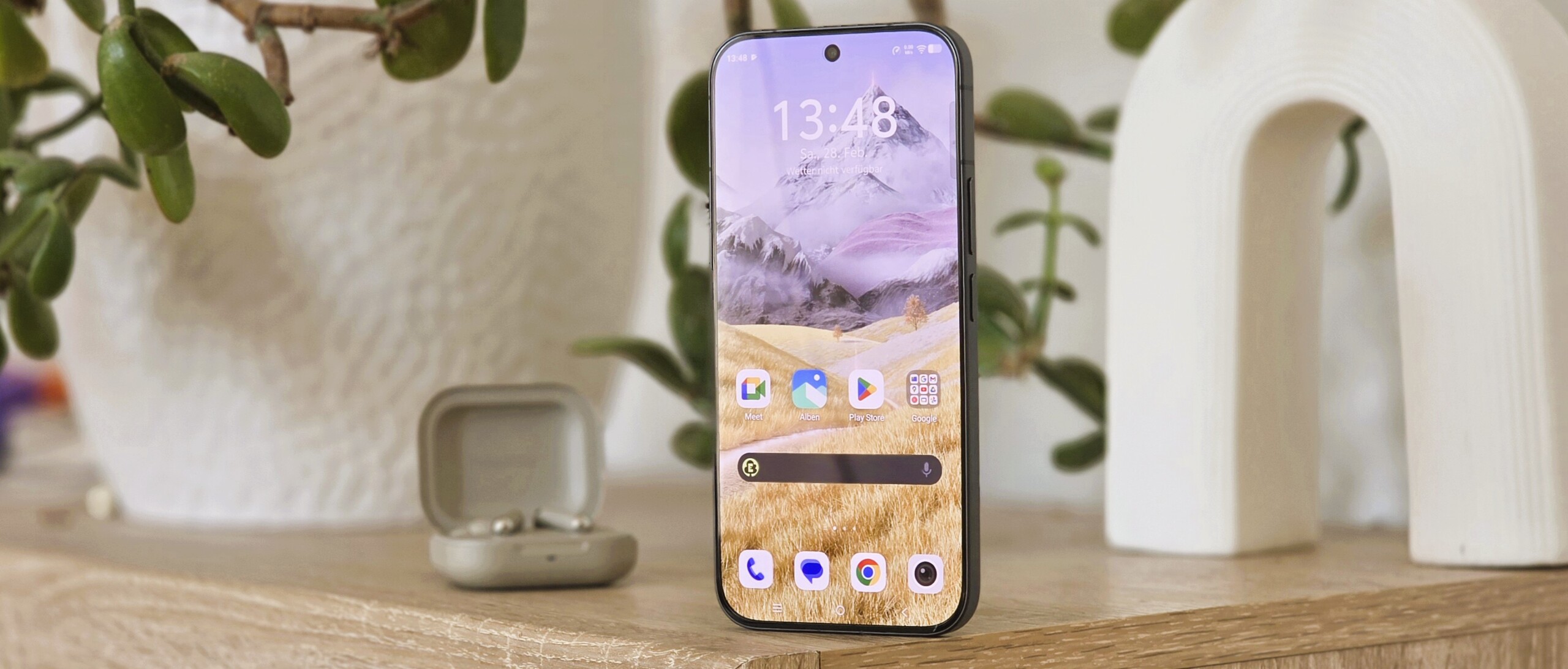
关于 vivo V70 的评价
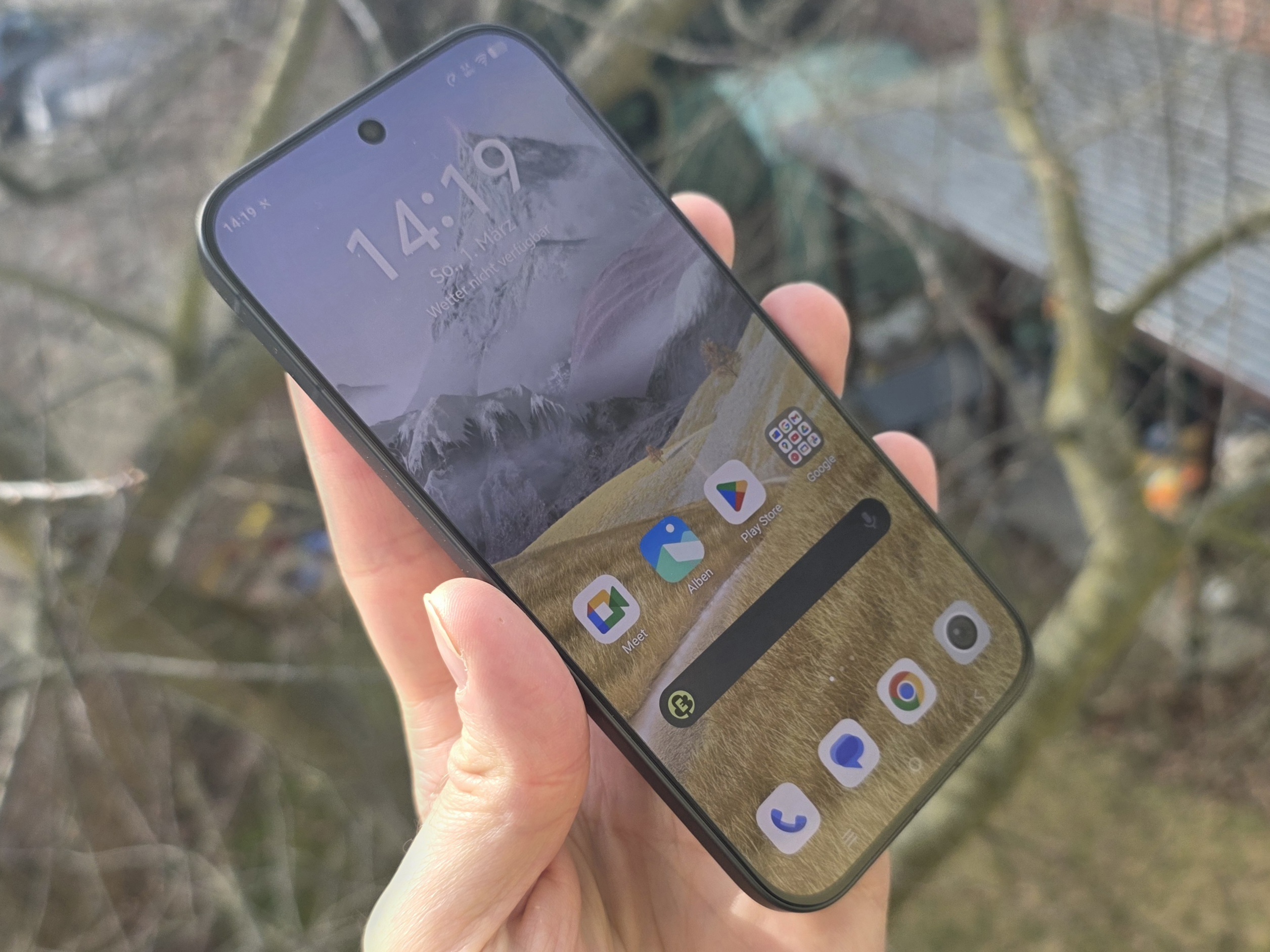
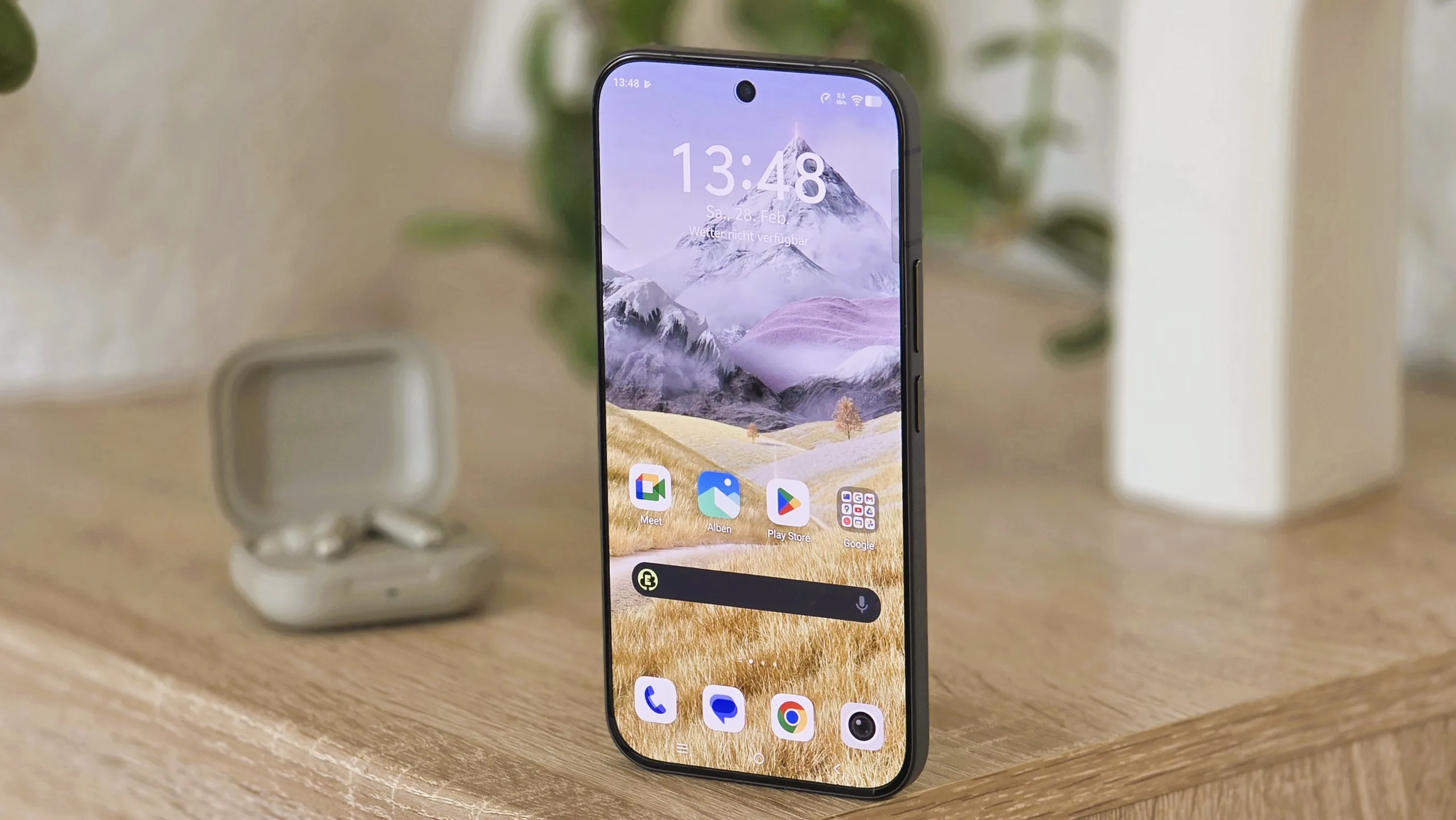
vivo V70 是中端价位手机中的视觉佼佼者,由于采用了非常纤薄的显示屏边框,它在这方面的精致程度不亚于 vivo 自己的旗舰机型。V70 还配备了超声波指纹传感器,从而进入了高端市场,因为这一功能在中端市场中仍然非常罕见,而且有助于 vivo 从红米手机的竞争中脱颖而出。
不过,在许多方面,这款中端智能手机最终还是被夹在了两个类别之间。在日常使用中,Snapdragon SoC 并不会让人感觉动力不足,但在这个价位的手机中,它并不能提供特别强劲的性能。SoC 的节流功能也很有限,尽管我们并不期望入门级芯片组会出现任何性能下降。
扬声器系统同样既不特别好,也不特别差。在欧洲,"缩水电池 "的情况也是如此。电池续航时间非常不错,但Redmi Note 15 Pro 5G 等中端手机的续航时间有时会明显更长。鉴于 vivo X 系列中蔡司主摄像头的强大拍照性能,我们不认为 V70 的拍照性能超过其预期价位的平均水平。
我们认为Redmi Note 15 Pro+ 是一个不错的选择。一旦 vivo V70 进入类似的价格区间,它就会成为经济型中端市场中一个真正有趣的选择。
Pros
Cons
Vivo V70 的价格和上市时间
Vivo V70 在欧洲的建议零售价为 599 欧元(约合 696 美元),包括亚马逊网站。
译者注:vivo 智能手机未在美国或加拿大正式销售。

- $993.40Samsung Galaxy S26 Ultra, Unlocked Android Smartphone, 256GB, Sky Blue
- $689.99Samsung Galaxy S26, Unlocked Android Smartphone, 256GB, Sky Blue | Powerful Processor, Galaxy AI, Immersive Viewing, Durable Battery, 2026, US 1 Year Warranty
- $465.91Samsung Galaxy A57 5G (2026), Unlocked Android Smartphone, 128GB, AMOLED Display, Triple Camera, IP68, 5000mAh Battery, US Version, US 1 Yr Warranty, Awesome Gray
Vivo V70 的规格
外壳和功能 - 防水Android 手机
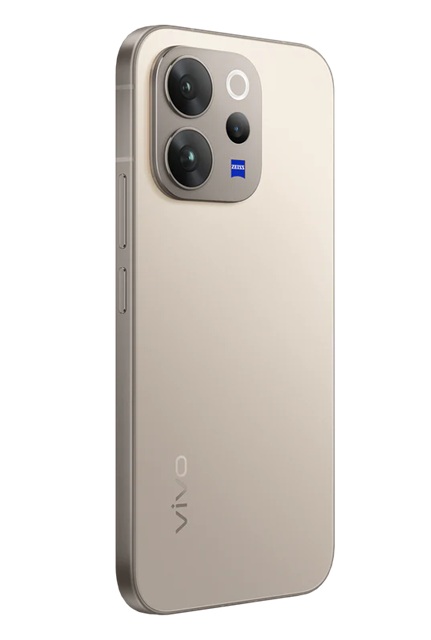
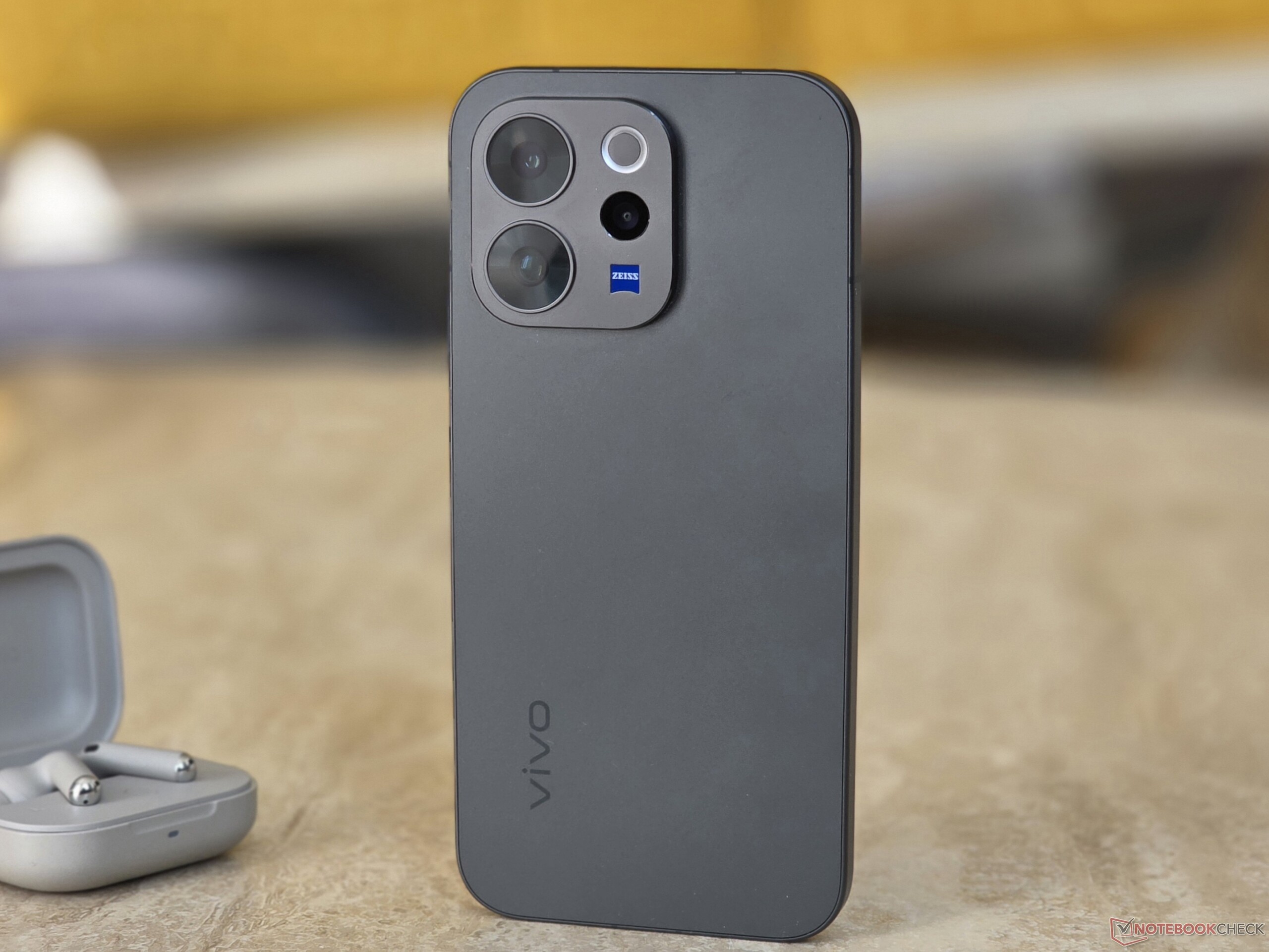
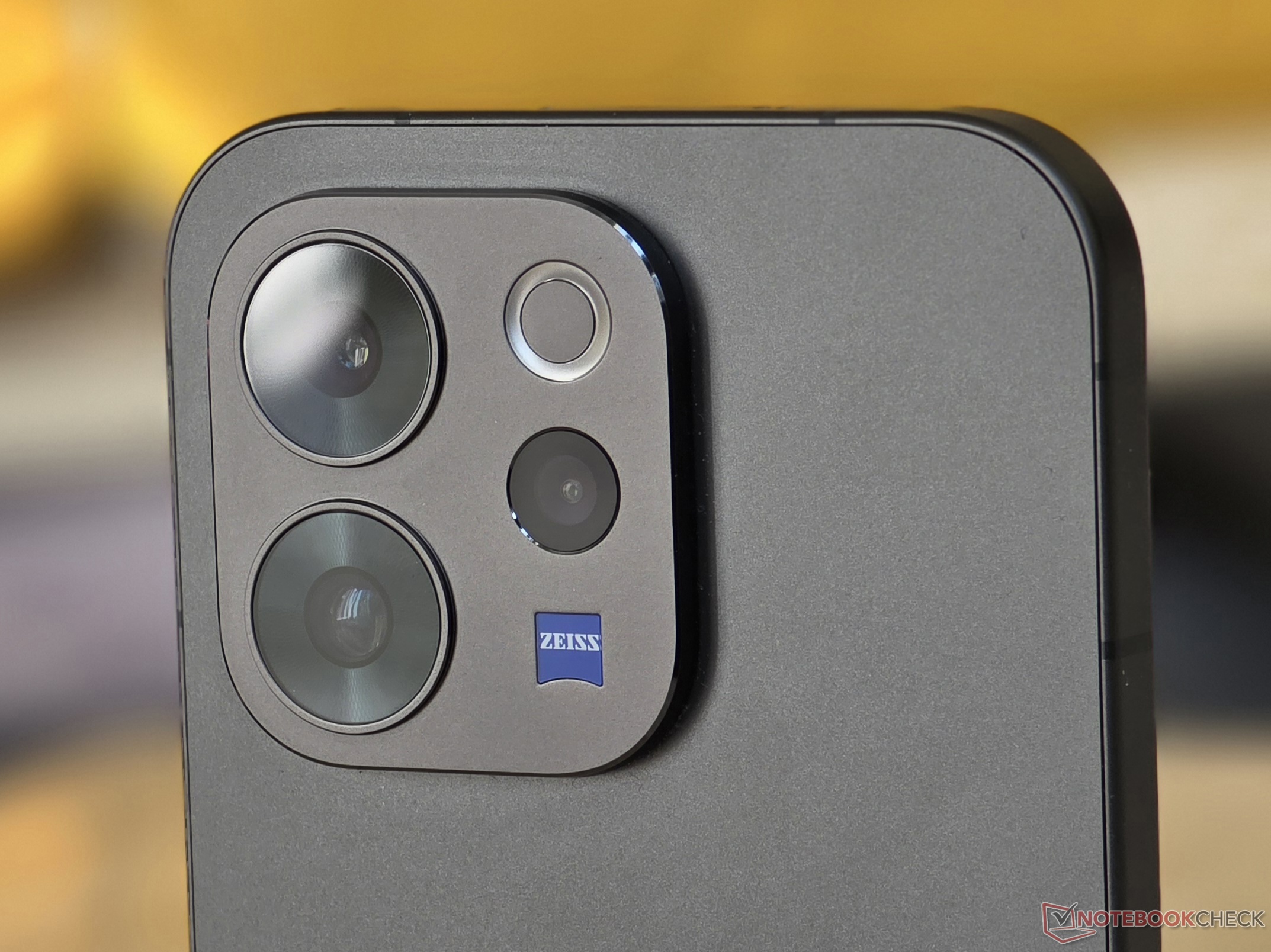
vivo V70 厚度为 7.6 毫米,重量为 187 克,手感舒适。我们的黑色评测机不像 V70 的其他颜色机型那样采用玻璃后壳,而是玻璃纤维后壳,换句话说就是塑料后壳。根据规格表,这样可以减轻 7 克的重量。正面采用 Schott Xensation Core 保护玻璃。
这款中端手机通过了 IP68 和 IP69 防水认证,并宣称可以承受 1.8 米的跌落。由于采用了金属边框,vivo V70 给人一种高级感,但那些打算在不带保护套的情况下使用这款智能手机并注重手感的人应该选择灰色版本。
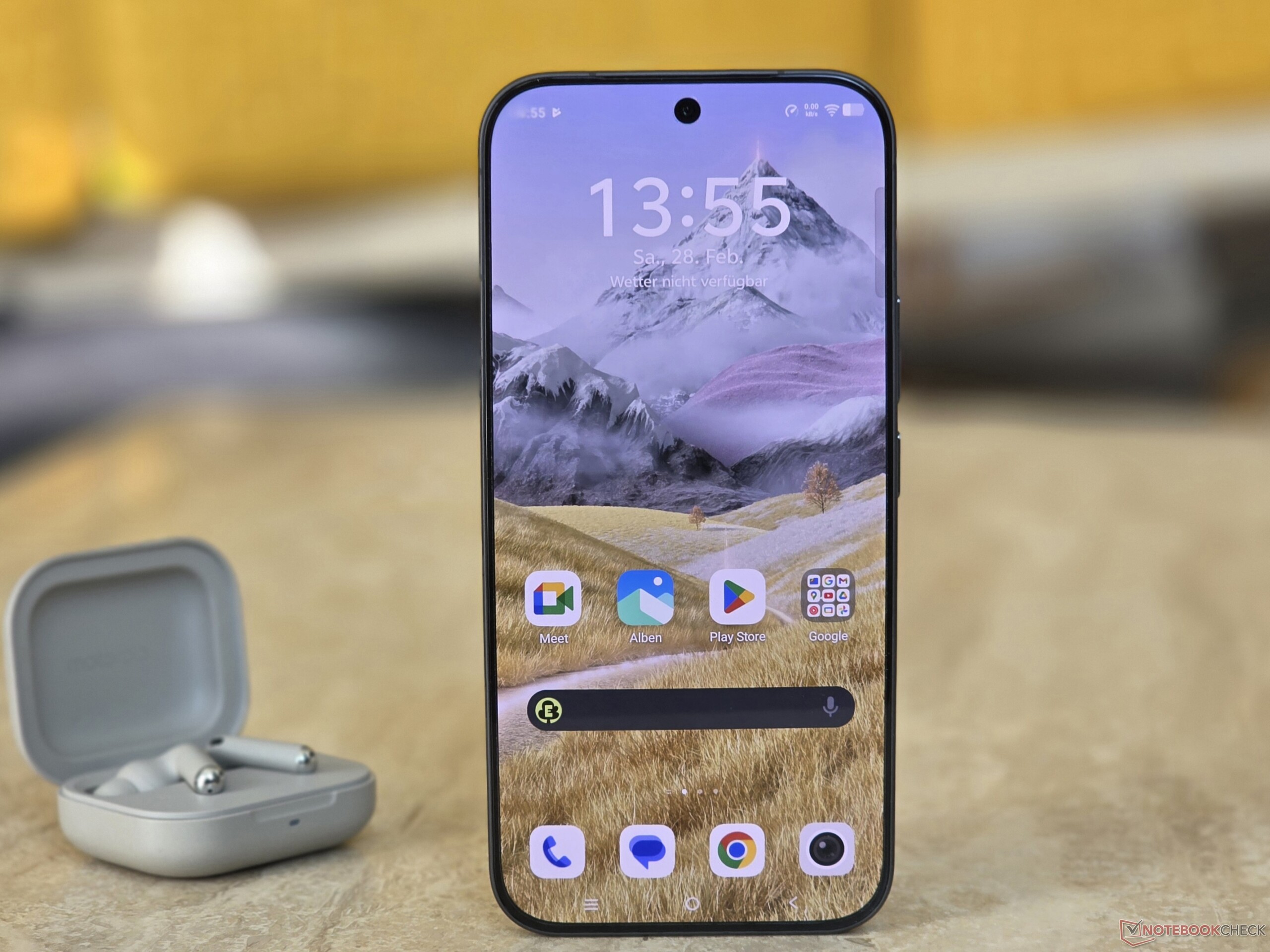
纤薄的显示屏边框和运行良好的超声波指纹传感器是该级别手机的亮点。USB 端口仅限于 USB 2.0 标准。
通信和操作 - 没有 Wi-Fi 7,但有 5G 功能的中端手机
vivo V70 仅支持 Wi-Fi 6,无法访问 6 GHz 频段。因此,在我们使用华硕 ROG Rapture GT-AXE11000 进行的测试中,传输速率并不是特别高。平均上传速度仅为 600 Mbps 左右。
华硕 ROG Rapture GT-AXE11000 支持所有重要的 4G 和 5G 频段。手机提供两个 Nano SIM 卡插槽或 eSIM 支持。
| Networking | |
| Vivo V70 | |
| iperf3 transmit AXE11000 | |
| iperf3 receive AXE11000 | |
| Xiaomi Poco F8 Pro | |
| iperf3 transmit AXE11000 | |
| iperf3 receive AXE11000 | |
| Xiaomi 15T | |
| iperf3 transmit AXE11000 | |
| iperf3 receive AXE11000 | |
| iperf3 transmit AXE11000 6GHz | |
| iperf3 receive AXE11000 6GHz | |
| Samsung Galaxy S25 FE | |
| iperf3 transmit AXE11000 | |
| iperf3 receive AXE11000 | |
| iperf3 transmit AXE11000 6GHz | |
| iperf3 receive AXE11000 6GHz | |
| Average 802.11 a/b/g/n/ac/ax | |
| iperf3 transmit AXE11000 | |
| iperf3 receive AXE11000 | |
| iperf3 transmit AXE11000 6GHz | |
| iperf3 receive AXE11000 6GHz | |
| Average of class Smartphone | |
| iperf3 transmit AXE11000 | |
| iperf3 receive AXE11000 | |
| iperf3 transmit AXE11000 6GHz | |
| iperf3 receive AXE11000 6GHz | |
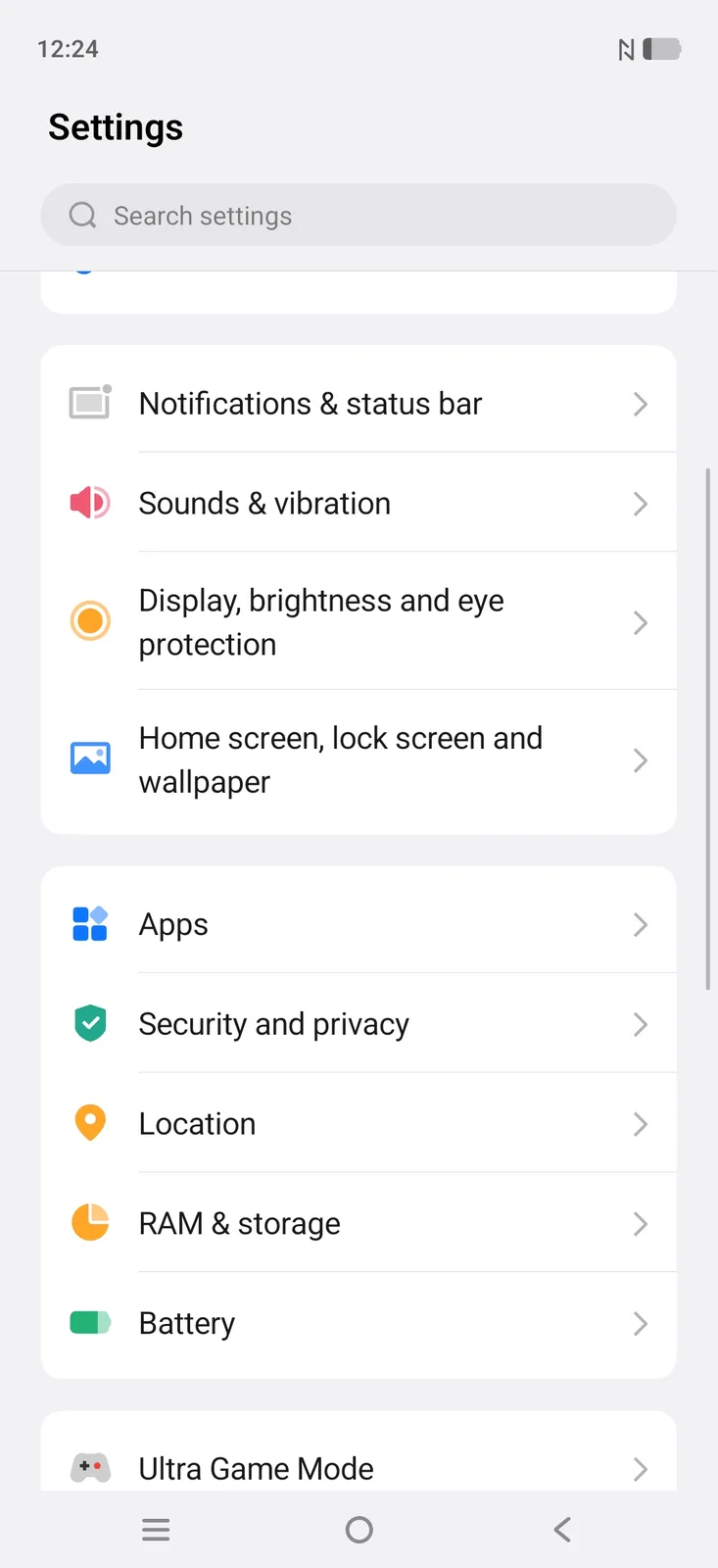
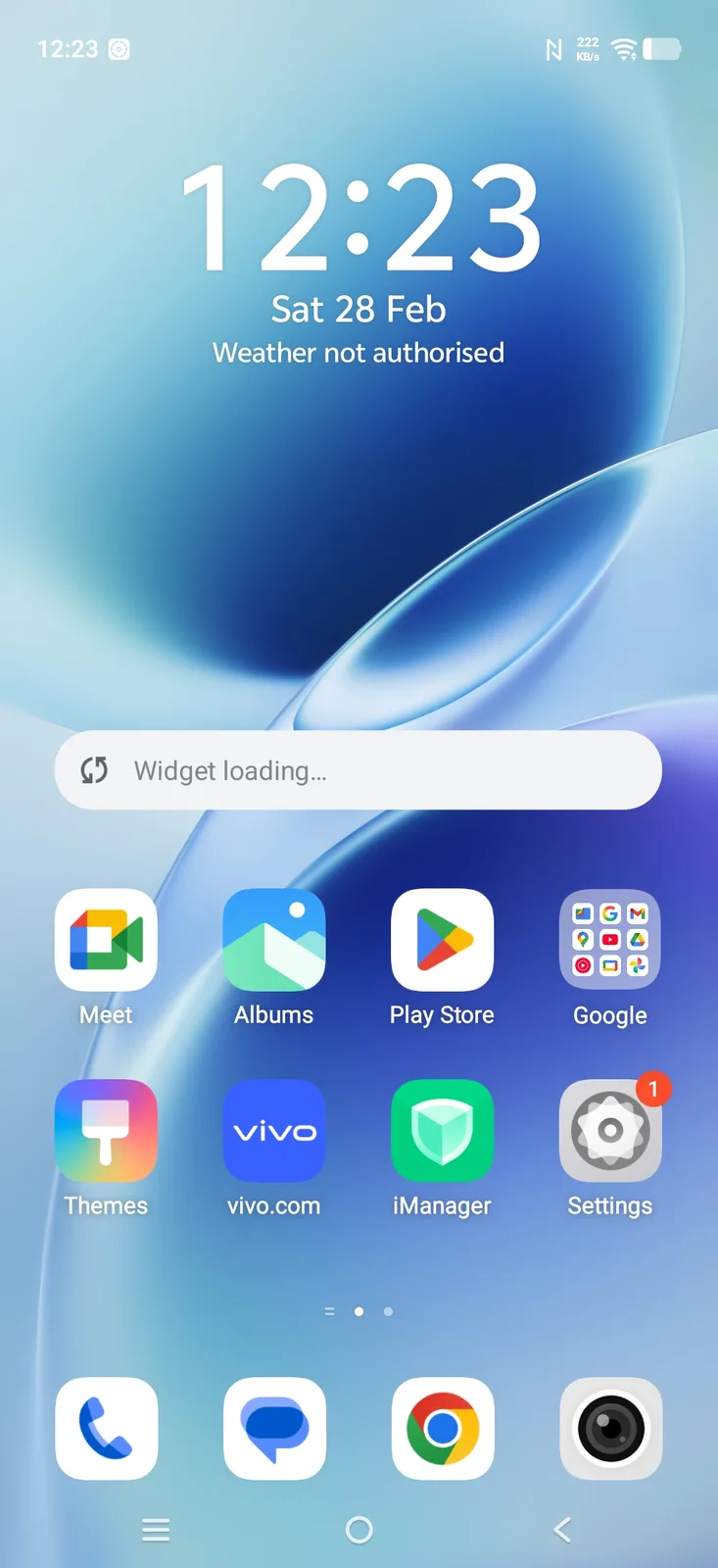
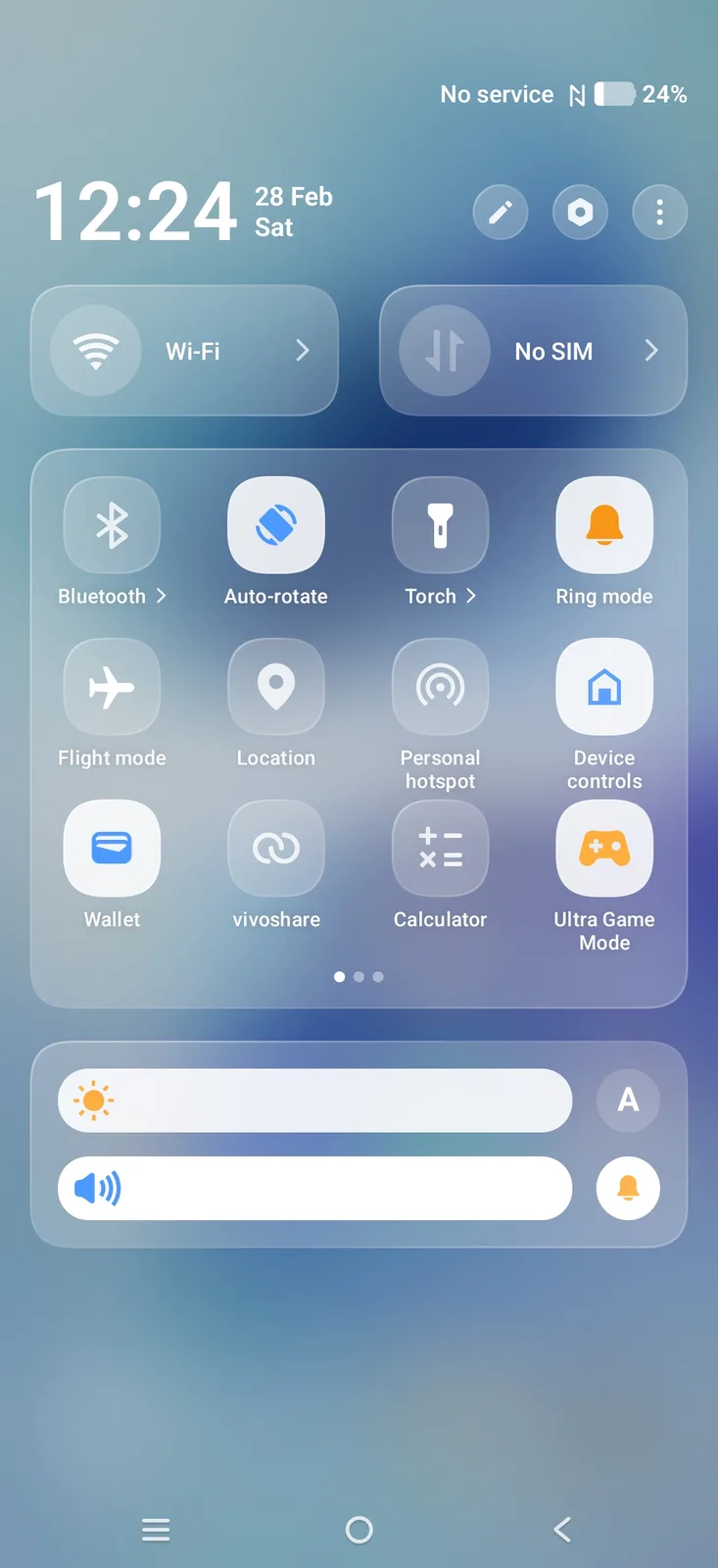
软件与可持续发展 - vivo 手机Android 16
vivo V70 预装了Android 16,预计至少会收到四个主要的Android 更新和六年的安全补丁。这款中端手机甚至可能每月都会收到安全更新,因为 vivo 已将其前身列入了相应的更新列表。在我们的评测机上,安全补丁级别更新到了 2026 年 2 月。
我们无法确定有关可持续性的任何确切细节。包装由纸质材料制成,vivo 没有使用塑料薄膜。
摄像头 -Android 配备蔡司光学镜头和光学防抖功能的手机
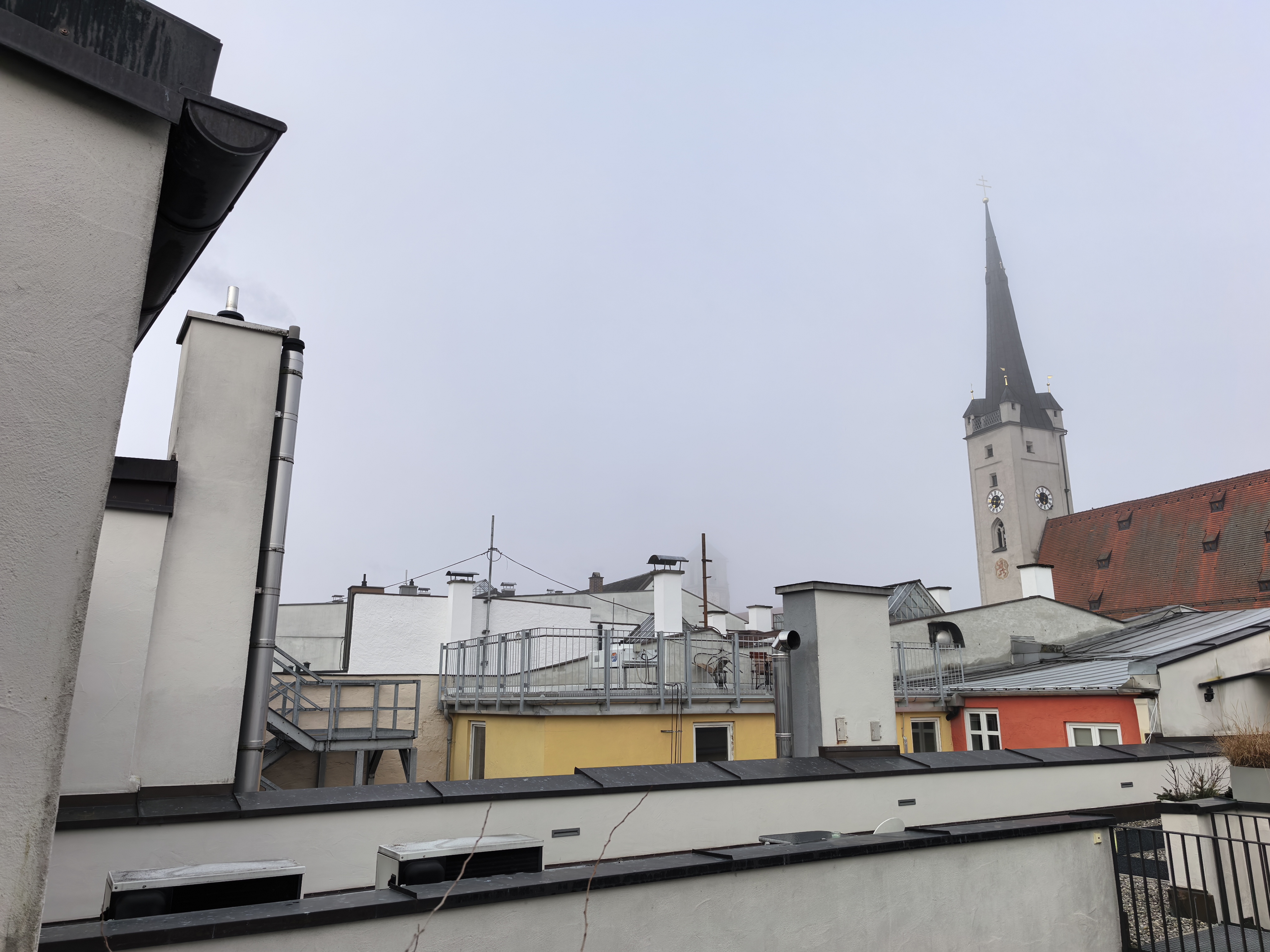
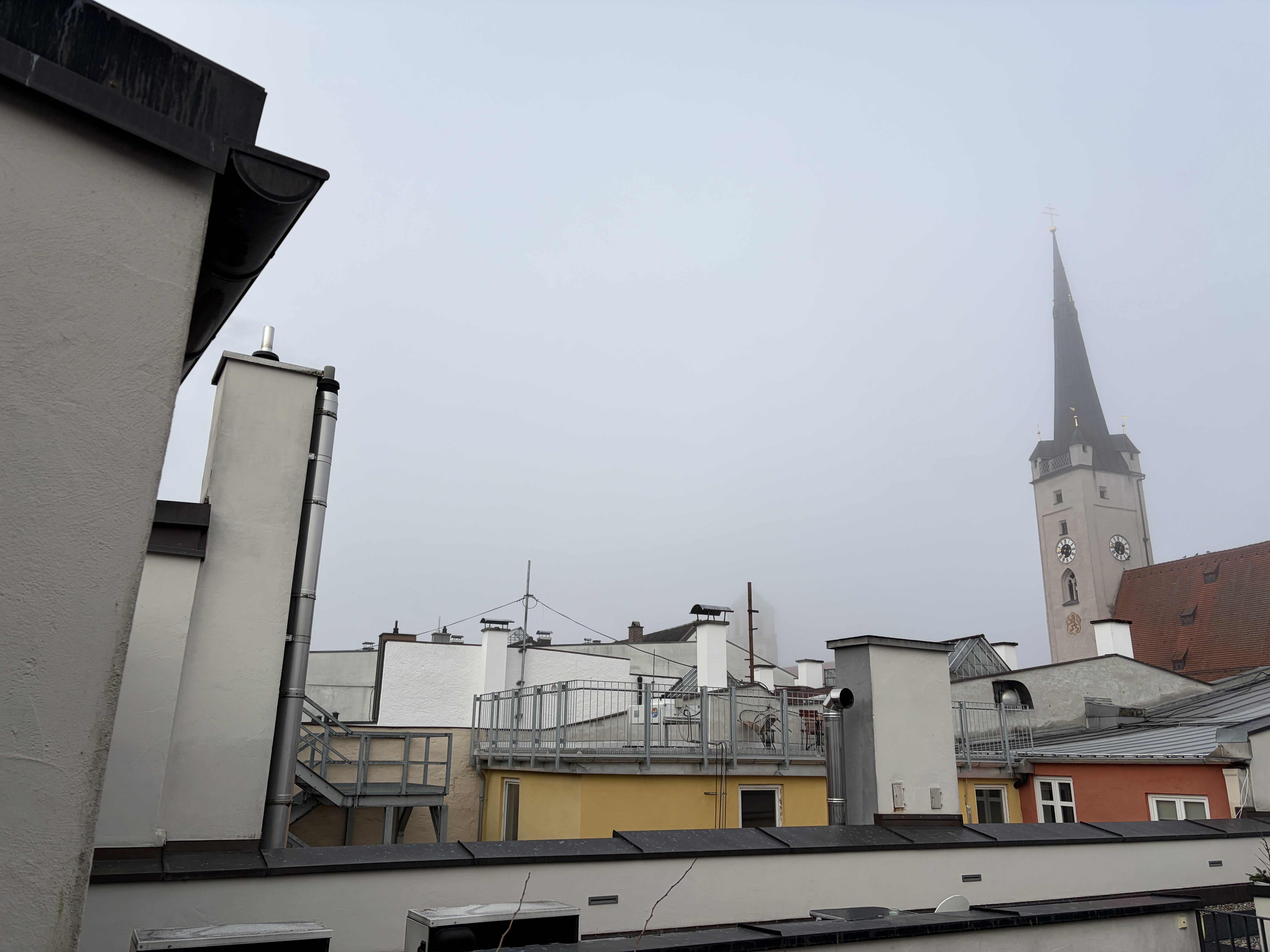
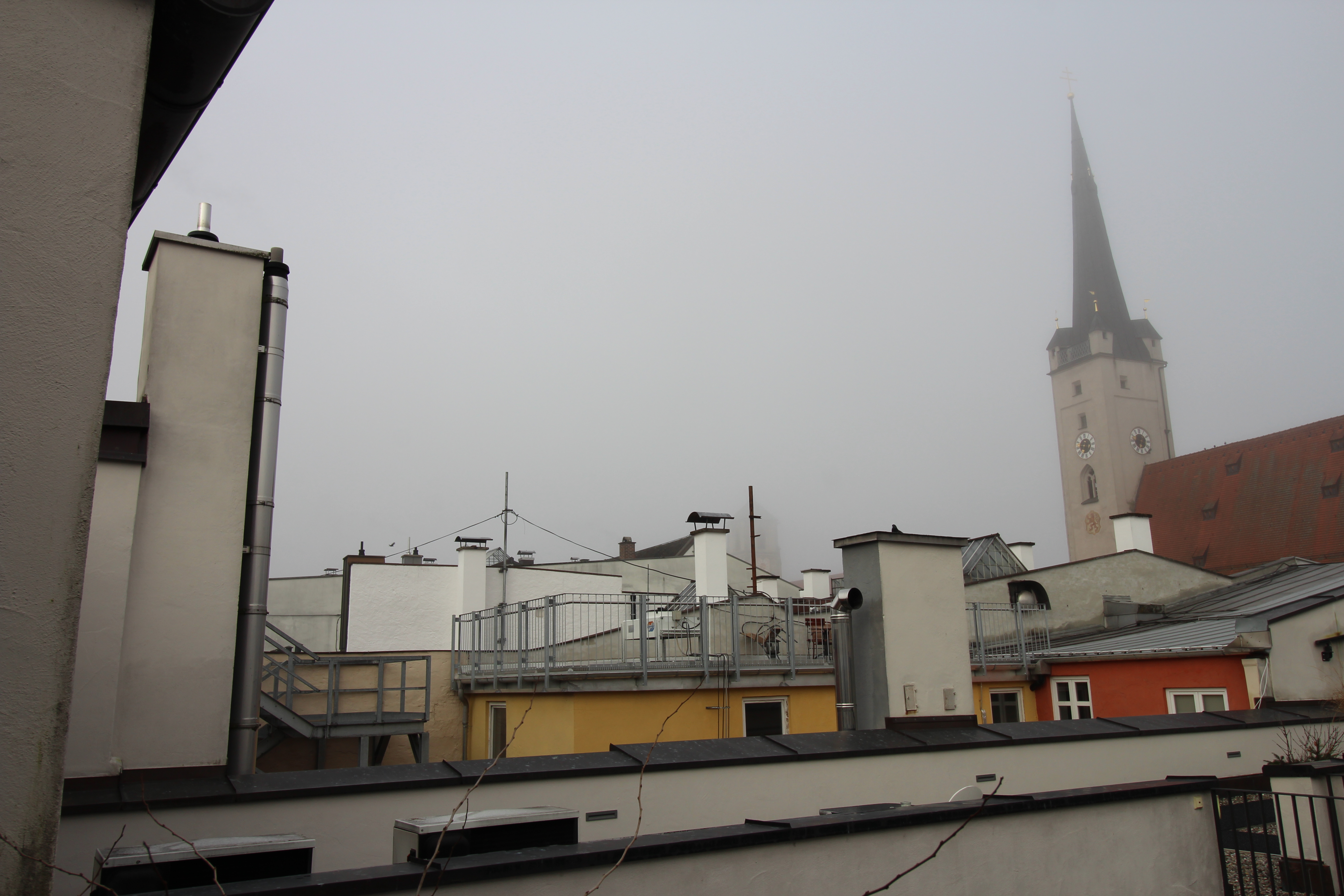
与制造商的 旗舰手机一样Vivo V70 采用蔡司光学镜头。5000 万像素主摄像头配备 1/1.56 英寸传感器和 OIS,在日光下可拍摄出清晰度不错的照片。不过,轮廓看起来有些过度锐化,色彩可以更中性一些。尽管传感器相对较小,但弱光下的拍摄效果相当吸引人。
带有 3 倍光学变焦的潜望式长焦摄像头在中端手机中并不多见。它能拍摄出清晰度良好的变焦照片。在日常使用中,800 万像素超广角摄像头就不那么令人信服了。无论是动态范围还是图像清晰度都不是特别令人信服。
Image comparison
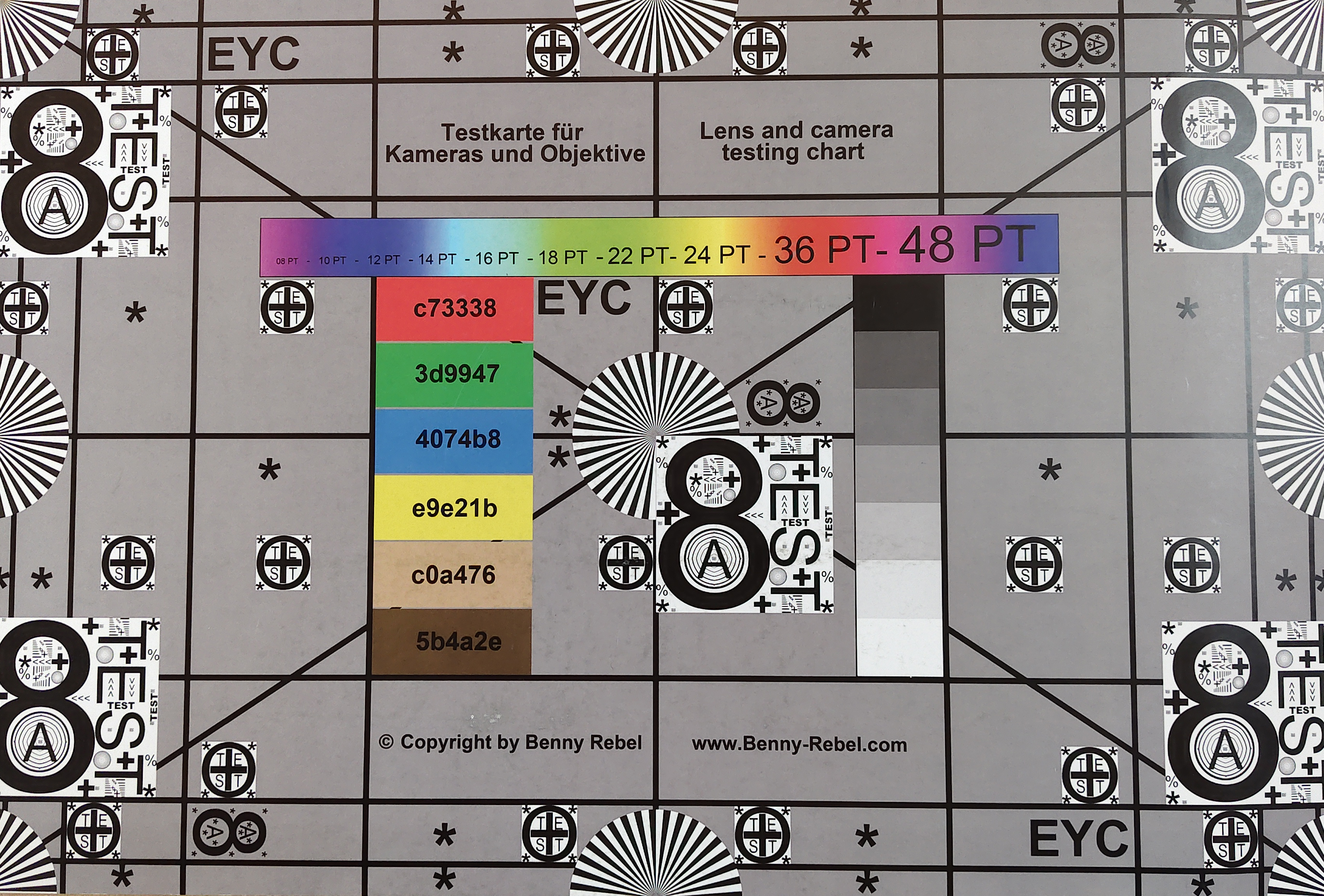
Choose a scene and navigate within the first image. One click changes the position on touchscreens. One click on the zoomed-in image opens the original in a new window. The first image shows the scaled photograph of the test device.
Main cameraMain cameraLow-light Ultra-wide
















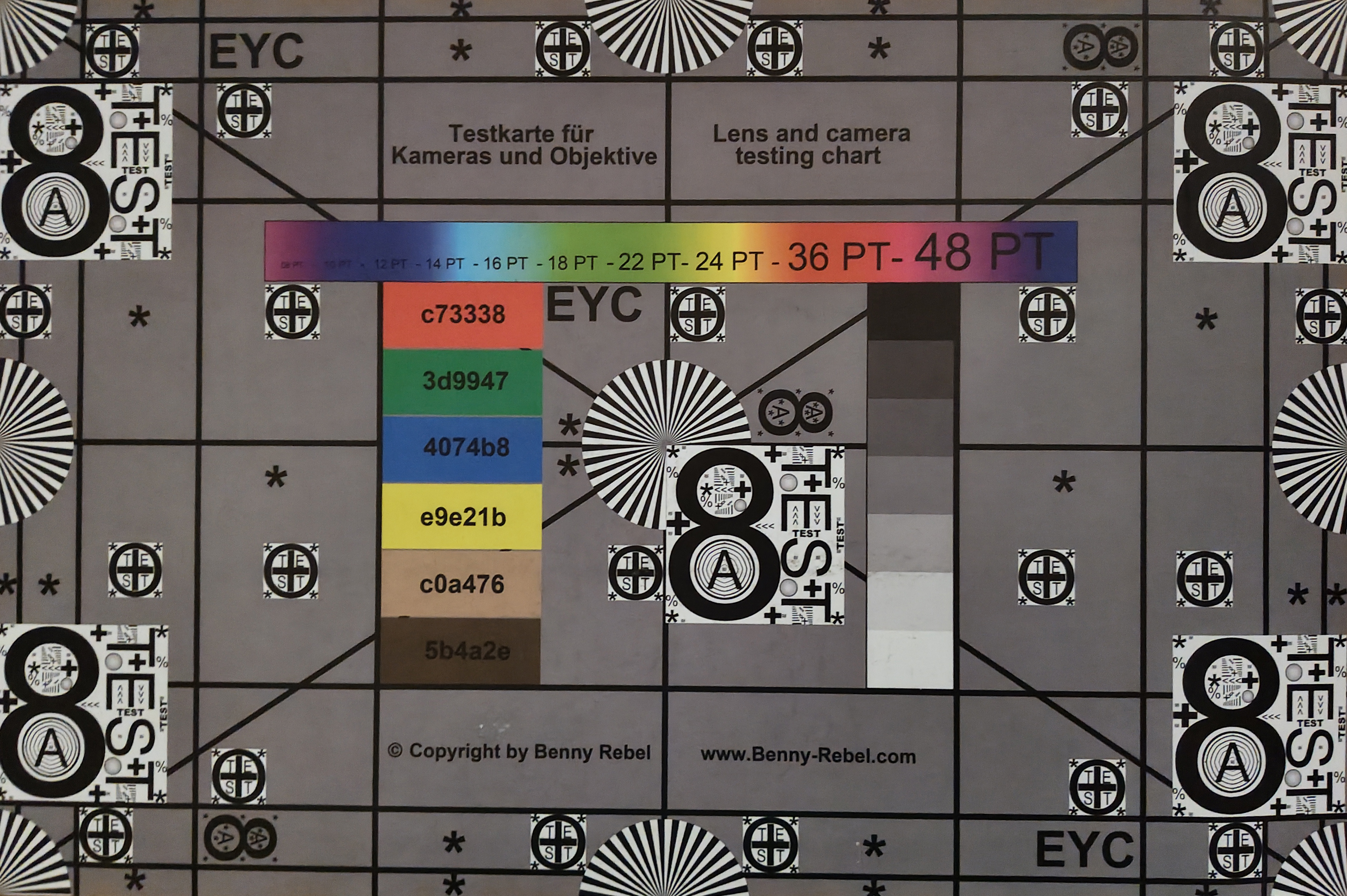

显示屏 - 配备 OLED 屏幕的中端智能手机
vivo V70 采用 6.59 英寸 120 Hz OLED 面板,具有 1260p 高分辨率,在我们的 APL 测量中,峰值亮度接近 3,800 cd/m²。亮度通过 PWM 调光控制,频率超过 4000 Hz。我们还测量了 90 Hz 的基本闪烁频率。
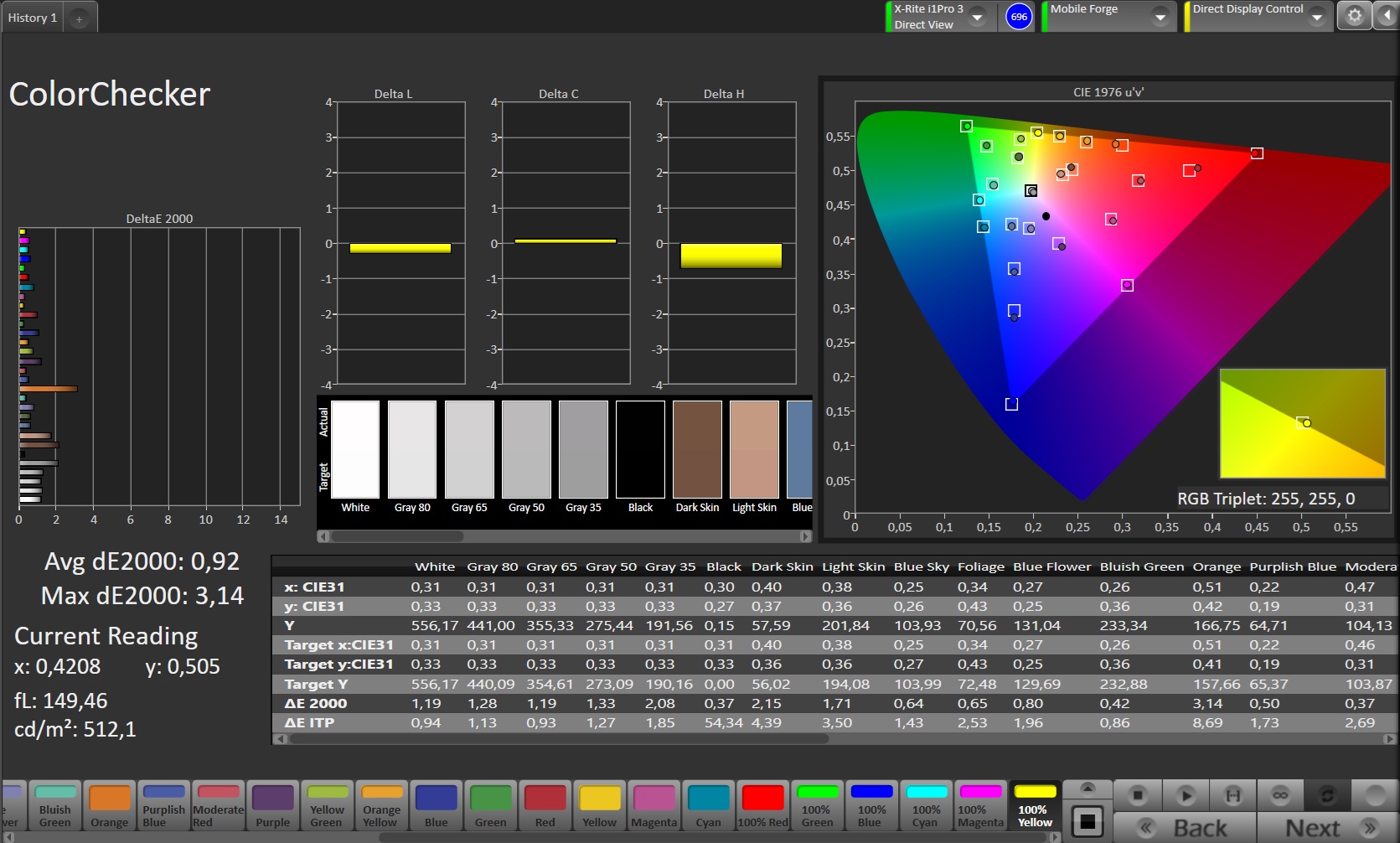
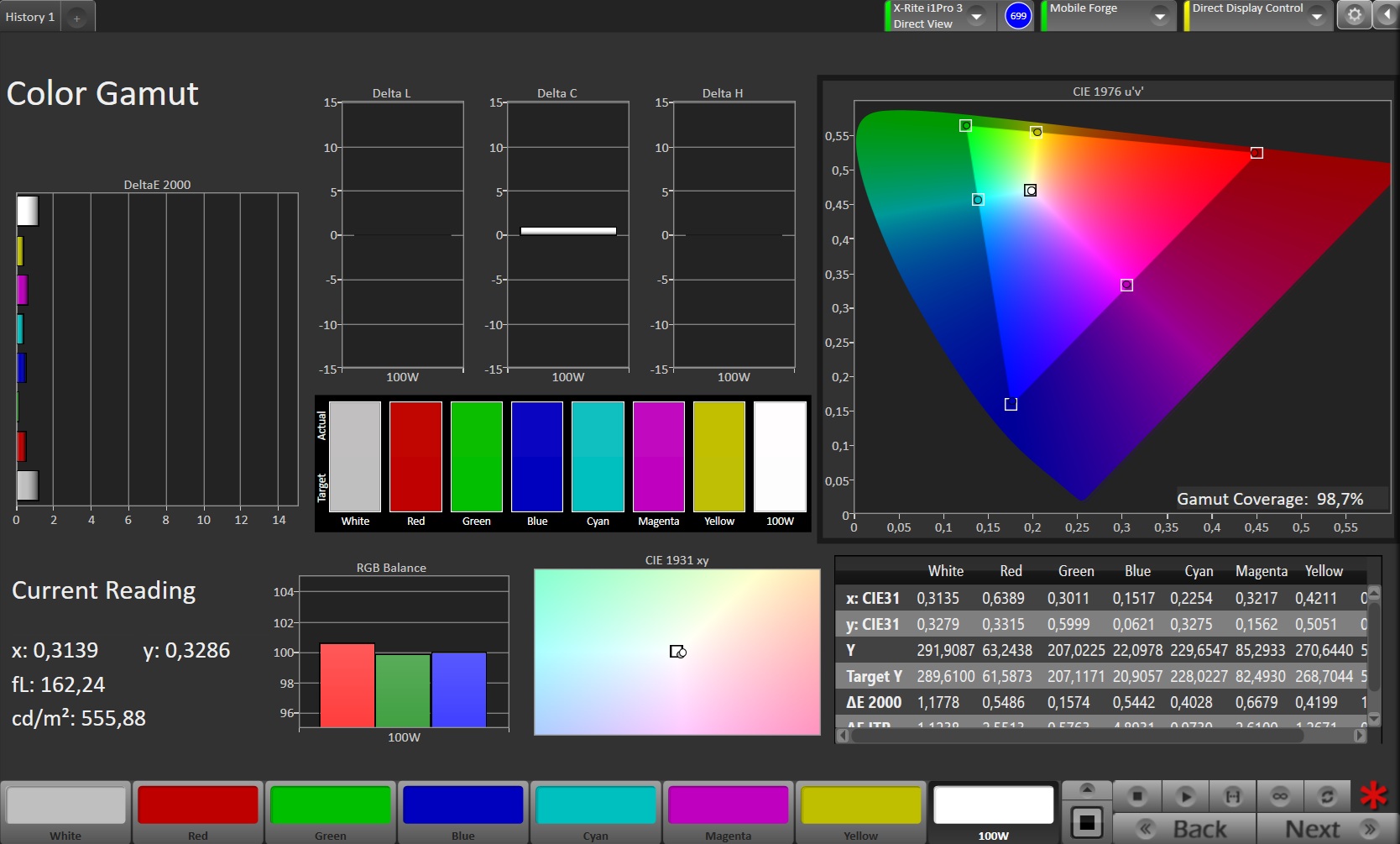
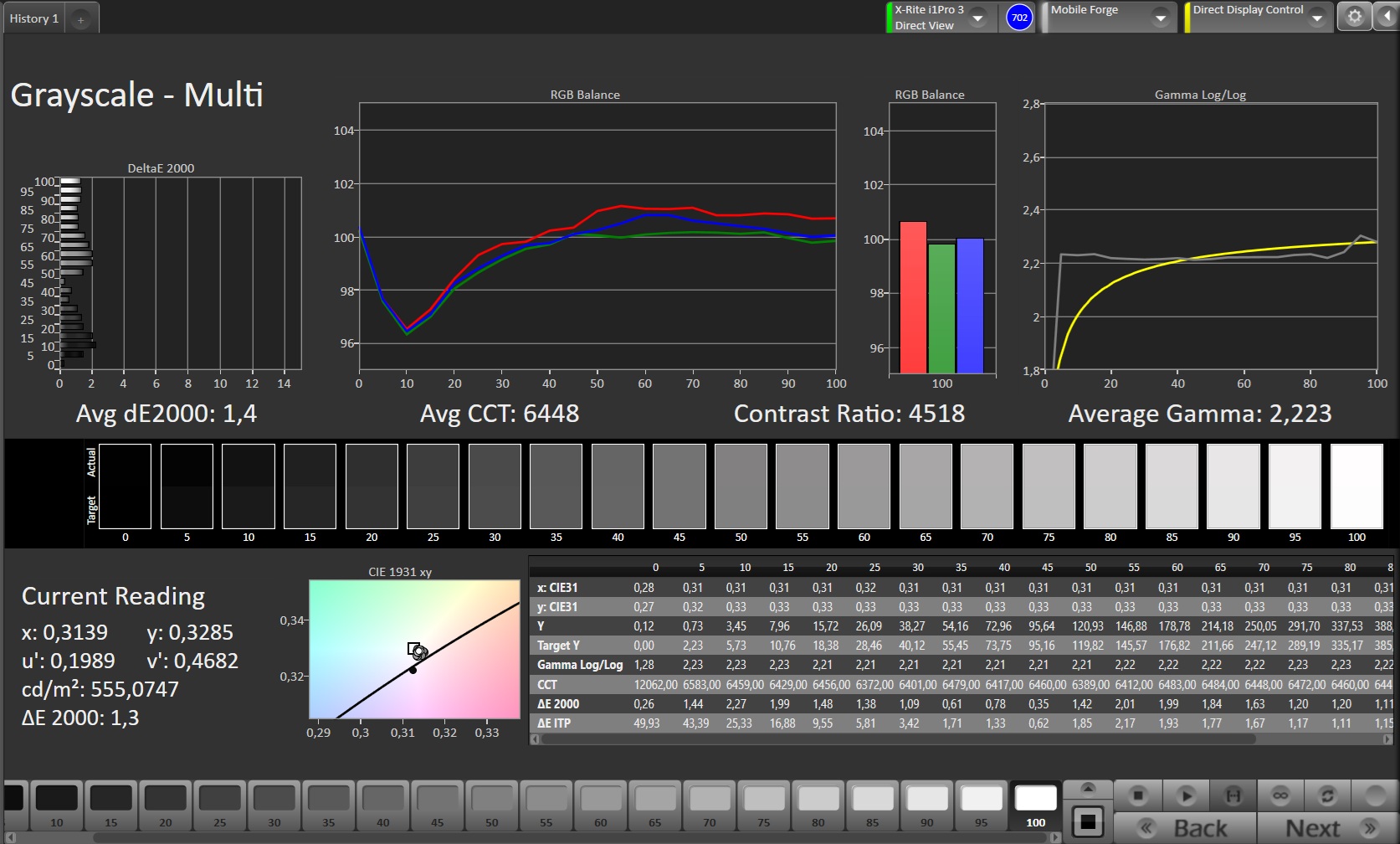
我们的显示分析表明,在 sRGB 和灰度再现方面只有非常微小的偏差。
| |||||||||||||||||||||||||
Brightness Distribution: 96 %
Center on Battery: 1447 cd/m²
Contrast: ∞:1 (Black: 0 cd/m²)
ΔE ColorChecker Calman: 0.92 | ∀{0.5-29.43 Ø4.69}
ΔE Greyscale Calman: 1.4 | ∀{0.09-98 Ø4.94}
98.7% sRGB (Calman 2D)
Gamma: 2.223
CCT: 6448 K
| Vivo V70 OLED, 2750x1260, 6.6" | Xiaomi Poco F8 Pro AMOLED, 2510x1156, 6.6" | Xiaomi 15T AMOLED, 2772x1280, 6.8" | Samsung Galaxy S25 FE AMOLED, 2340x1080, 6.7" | |
|---|---|---|---|---|
| Screen | 7% | -36% | -78% | |
| Brightness middle (cd/m²) | 1447 | 1717 19% | 1070 -26% | 1136 -21% |
| Brightness (cd/m²) | 1417 | 1721 21% | 1079 -24% | 1132 -20% |
| Brightness Distribution (%) | 96 | 98 2% | 94 -2% | 98 2% |
| Black Level * (cd/m²) | ||||
| Colorchecker dE 2000 * | 0.92 | 1 -9% | 1.5 -63% | 3.5 -280% |
| Colorchecker dE 2000 max. * | 3.14 | 2.2 30% | 3.9 -24% | 5.5 -75% |
| Greyscale dE 2000 * | 1.4 | 1.7 -21% | 2.5 -79% | 2.4 -71% |
| Gamma | 2.223 99% | 2.29 96% | 2.24 98% | 2.02 109% |
| CCT | 6448 101% | 6574 99% | 6648 98% | 6322 103% |
* ... smaller is better
| Display / APL18 Peak Brightness | |
| Vivo V70 | |
| Xiaomi Poco F8 Pro | |
| Xiaomi 15T | |
| Samsung Galaxy S25 FE | |
| Display / HDR Peak Brightness | |
| Vivo V70 | |
| Xiaomi Poco F8 Pro | |
| Xiaomi 15T | |
| Samsung Galaxy S25 FE | |
Screen Flickering / PWM (Pulse-Width Modulation)
| Screen flickering / PWM detected | 90 Hz Amplitude: 16 % | 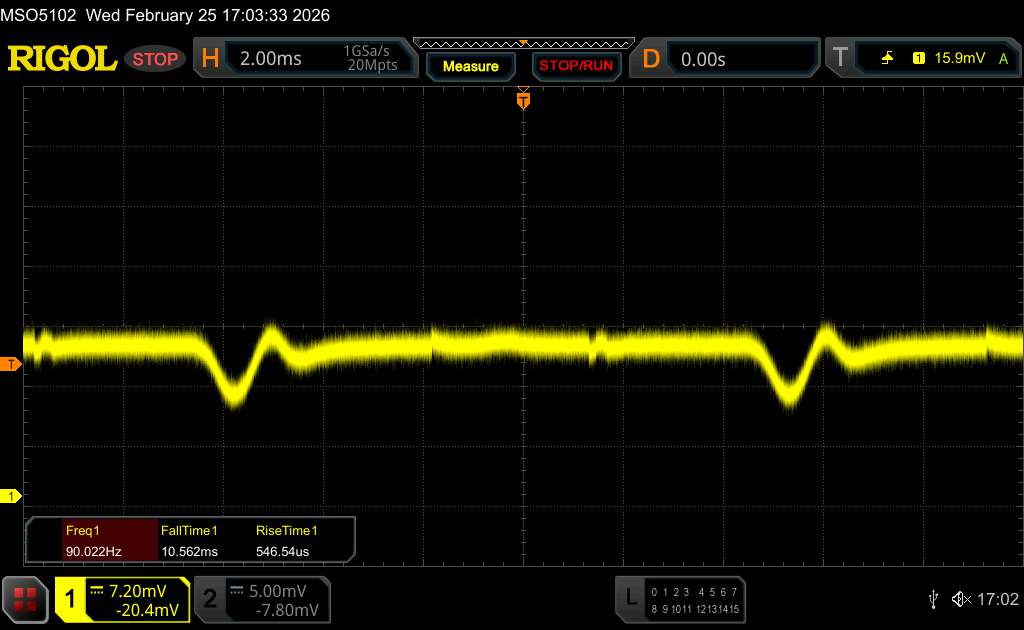 | |
The display backlight flickers at 90 Hz (worst case, e.g., utilizing PWM) . The frequency of 90 Hz is very low, so the flickering may cause eyestrain and headaches after extended use. In comparison: 52 % of all tested devices do not use PWM to dim the display. If PWM was detected, an average of 7594 (minimum: 5 - maximum: 343500) Hz was measured. | |||
固定缩放级别和不同亮度设置下的测量系列(最低亮度下的振幅曲线看起来很平,但这是缩放造成的。信息框显示的是最小亮度下的振幅放大图)
Display Response Times
| ↔ Response Time Black to White | ||
|---|---|---|
| 1.2 ms ... rise ↗ and fall ↘ combined | ↗ 0.6 ms rise | 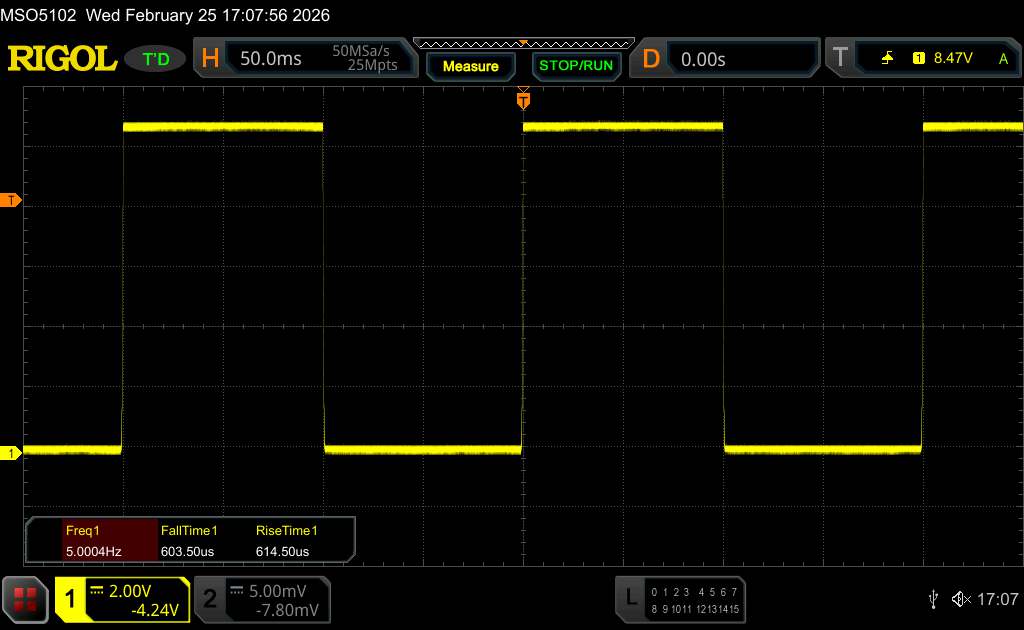 |
| ↘ 0.6 ms fall | ||
| The screen shows very fast response rates in our tests and should be very well suited for fast-paced gaming. In comparison, all tested devices range from 0.1 (minimum) to 240 (maximum) ms. » 7 % of all devices are better. This means that the measured response time is better than the average of all tested devices (19.6 ms). | ||
| ↔ Response Time 50% Grey to 80% Grey | ||
| 1.2 ms ... rise ↗ and fall ↘ combined | ↗ 0.6 ms rise | 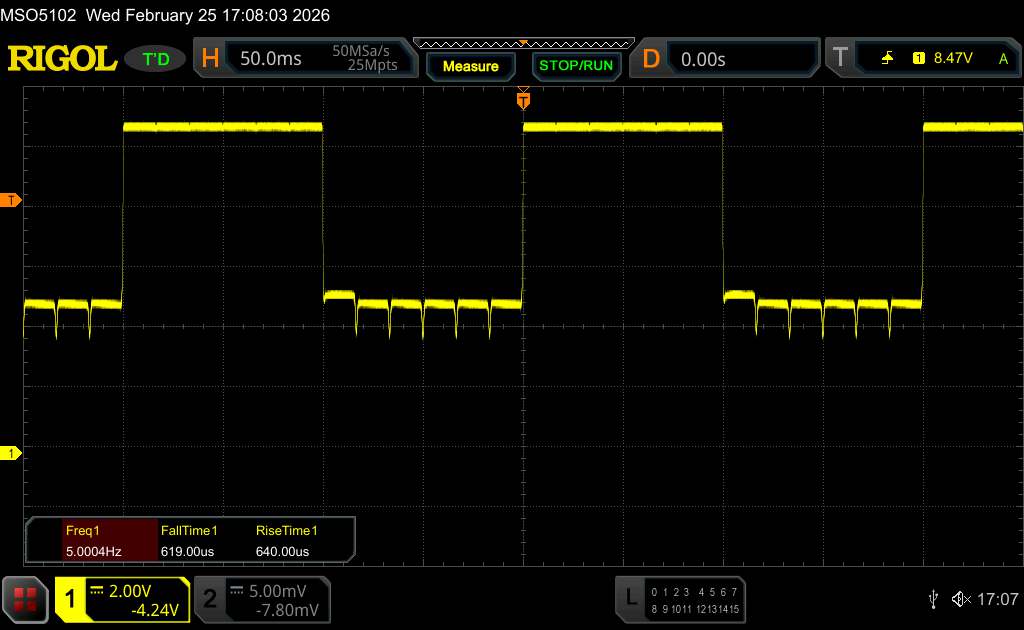 |
| ↘ 0.6 ms fall | ||
| The screen shows very fast response rates in our tests and should be very well suited for fast-paced gaming. In comparison, all tested devices range from 0.13 (minimum) to 636 (maximum) ms. » 6 % of all devices are better. This means that the measured response time is better than the average of all tested devices (30.7 ms). | ||


性能、排放和电池寿命 -Android 手机使用高通芯片组
vivo 为其中档手机配备了 高通骁龙 7 代 4.在这个价位的手机中,性能相当一般,但至少日常系统性能要好于 Redmi Note 15 Pro+的日常系统性能要好一些。 骁龙 7s 第 4 代.
vivo V70 的扬声器性能也很弱。我们的粉红噪声测量结果显示,中音线性有限,层次感很弱。我们无法听到低音。
由于欧盟的规定,电池容量从中国版的 6,500 mAh 降至欧洲版的 5,400 mAh。即便如此,在我们的 Wi-Fi 测试中,vivo 手机的表现仍然相当不错,达到了 21 小时。在欧洲,它还可以通过 USB-C 接口以高达 90 瓦的功率充电。不支持无线充电。
| Jetstream 2 - 2.2 Total | |
| Samsung Galaxy S25 FE | |
| Average of class Smartphone (2 - 480, n=104, last 2 years) | |
| Vivo V70 | |
| Average Qualcomm Snapdragon 7 Gen 4 SM7750-AB (147.7 - 208, n=4) | |
| Xiaomi 15T | |
* ... smaller is better
| Vivo V70 | Xiaomi Poco F8 Pro | Xiaomi 15T | Samsung Galaxy S25 FE | Average 256 GB UFS 4.1 Flash | Average of class Smartphone | |
|---|---|---|---|---|---|---|
| AndroBench 3-5 | 41% | -32% | 8% | 38% | -8% | |
| Sequential Read 256KB (MB/s) | 2287.56 | 3959.14 73% | 1954.45 -15% | 3756.44 64% | 3396 ? 48% | 2264 ? -1% |
| Sequential Write 256KB (MB/s) | 2167.43 | 3833.02 77% | 1879.62 -13% | 2450.19 13% | 3103 ? 43% | 1966 ? -9% |
| Random Read 4KB (MB/s) | 356.62 | 309.91 -13% | 278.9 -22% | 382.44 7% | 419 ? 17% | 316 ? -11% |
| Random Write 4KB (MB/s) | 411.75 | 521.31 27% | 89.68 -78% | 198.68 -52% | 586 ? 42% | 362 ? -12% |
(±) The maximum temperature on the upper side is 44.6 °C / 112 F, compared to the average of 35.4 °C / 96 F, ranging from 21.9 to 247 °C for the class Smartphone.
(±) The bottom heats up to a maximum of 43.1 °C / 110 F, compared to the average of 34.1 °C / 93 F
(+) In idle usage, the average temperature for the upper side is 25.1 °C / 77 F, compared to the device average of 33 °C / 91 F.
3DMark 压力测试
| 3DMark | |
| Wild Life Stress Test Stability | |
| Xiaomi 15T | |
| Vivo V70 | |
| Xiaomi Poco F8 Pro | |
| Samsung Galaxy S25 FE | |
| Wild Life Extreme Stress Test | |
| Xiaomi 15T | |
| Xiaomi Poco F8 Pro | |
| Vivo V70 | |
| Samsung Galaxy S25 FE | |
Vivo V70 audio analysis
(±) | speaker loudness is average but good (81.8 dB)
Bass 100 - 315 Hz
(-) | nearly no bass - on average 19.1% lower than median
(-) | bass is not linear (15.9% delta to prev. frequency)
Mids 400 - 2000 Hz
(±) | higher mids - on average 6.4% higher than median
(±) | linearity of mids is average (10.6% delta to prev. frequency)
Highs 2 - 16 kHz
(±) | higher highs - on average 5.1% higher than median
(±) | linearity of highs is average (11.8% delta to prev. frequency)
Overall 100 - 16.000 Hz
(±) | linearity of overall sound is average (22.9% difference to median)
Compared to same class
» 52% of all tested devices in this class were better, 6% similar, 42% worse
» The best had a delta of 11%, average was 34%, worst was 136%
Compared to all devices tested
» 68% of all tested devices were better, 6% similar, 26% worse
» The best had a delta of 4%, average was 23%, worst was 136%
Samsung Galaxy S25 FE audio analysis
(+) | speakers can play relatively loud (92 dB)
Bass 100 - 315 Hz
(-) | nearly no bass - on average 19.3% lower than median
(+) | bass is linear (4.6% delta to prev. frequency)
Mids 400 - 2000 Hz
(±) | higher mids - on average 5.7% higher than median
(+) | mids are linear (4.9% delta to prev. frequency)
Highs 2 - 16 kHz
(±) | higher highs - on average 5.9% higher than median
(+) | highs are linear (4.6% delta to prev. frequency)
Overall 100 - 16.000 Hz
(±) | linearity of overall sound is average (17.3% difference to median)
Compared to same class
» 12% of all tested devices in this class were better, 8% similar, 80% worse
» The best had a delta of 11%, average was 34%, worst was 136%
Compared to all devices tested
» 33% of all tested devices were better, 8% similar, 59% worse
» The best had a delta of 4%, average was 23%, worst was 136%
| Vivo V70 5400 mAh | Xiaomi Poco F8 Pro 6210 mAh | Xiaomi 15T 5500 mAh | Samsung Galaxy S25 FE 4900 mAh | |
|---|---|---|---|---|
| Battery runtime | ||||
| WiFi v1.3 (h) | 21.3 | 22.8 7% | 17.2 -19% | 15.1 -29% |
Notebookcheck 总体评分
在中端市场,我们当然不希望看到一个完整的软件包,但对于骁龙 7 SoC 而言,略低于 600 欧元(697 美元)的市场建议零售价是相当雄心勃勃的。
Vivo V70
- 03/05/2026 v8
Marcus Herbrich
 Total Sustainability Score:
 可比较的替代品
Image | Model / Review | Price | Weight | Drive | Display |
|---|---|---|---|---|---|
1. 81.6%  | Vivo V70 Qualcomm Snapdragon 7 Gen 4 SM7750-AB ⎘ Qualcomm Adreno 722 ⎘ 8 GB Memory, 256 GB UFS 4.x | List Price: 599€ | 187 g | 256 GB UFS 4.1 Flash | 6.59" 2750x1260 OLED |
2. 85.4%  | Xiaomi Poco F8 Pro Qualcomm Snapdragon 8 Elite ⎘ Qualcomm Adreno 830 ⎘ 12 GB Memory, 512 GB UFS 4.x | Amazon: $639.72 List Price: 700€ | 199 g | 512 GB UFS 4.1 Flash | 6.59" 2510x1156 419 PPI AMOLED |
3. 84.8%  | Xiaomi 15T MediaTek Dimensity 8400 ⎘ ARM Mali-G720 MP7 ⎘ 12 GB Memory, 512 GB UFS 4.x | List Price: 650€ | 194 g | 512 GB UFS 4.1 Flash | 6.83" 2772x1280 447 PPI AMOLED |
4. 85.6%  | Samsung Galaxy S25 FE Samsung Exynos 2400 ⎘ Samsung Xclipse 940 ⎘ 8 GB Memory, 256 GB UFS 4.x | List Price: 809€ | 190 g | 256 GB UFS 4.0 Flash | 6.70" 2340x1080 382 PPI AMOLED |
Transparency
The selection of devices to be reviewed is made by our editorial team. The test sample was provided to the author as a loan by the manufacturer or retailer for the purpose of this review. The lender had no influence on this review, nor did the manufacturer receive a copy of this review before publication. There was no obligation to publish this review. As an independent media company, Notebookcheck is not subjected to the authority of manufacturers, retailers or publishers.
This is how Notebookcheck is testing
Every year, Notebookcheck independently reviews hundreds of laptops and smartphones using standardized procedures to ensure that all results are comparable. We have continuously developed our test methods for around 20 years and set industry standards in the process. In our test labs, high-quality measuring equipment is utilized by experienced technicians and editors. These tests involve a multi-stage validation process. Our complex rating system is based on hundreds of well-founded measurements and benchmarks, which maintains objectivity. Further information on our test methods can be found here.
 Add as a preferred source on Google