





对摩托罗拉 Moto G47 的评测结论
摩托罗拉 Moto G47 的网购价格已经大幅下调,这对该机型来说确实是个好消息:按原价计算,它几乎无法与去年的机型竞争。
例如,其屏幕亮度较低且分辨率较低,而包括Wi-Fi速度、电池续航和扬声器在内的许多其他功能,表现也仅属平平。
与Moto G37相比,它拥有更大的内存、更快的存储速度以及更出色的摄像头系统。其摄像头拍摄效果尚可,但缺少超广角镜头,且变焦能力非常有限。
如果你能以合理的价格买到摩托罗拉 Moto G47,这绝对是个明智的选择,你一定会喜欢它时尚的设计。不过,去年推出的几款强劲竞品至今仍未受到内存危机引发的成本削减措施的影响。
Pros
Cons
价格与供货情况

在amazon.com上,这款手机售价约为200美元。

规格
外壳与特点——色彩鲜艳,做工精良
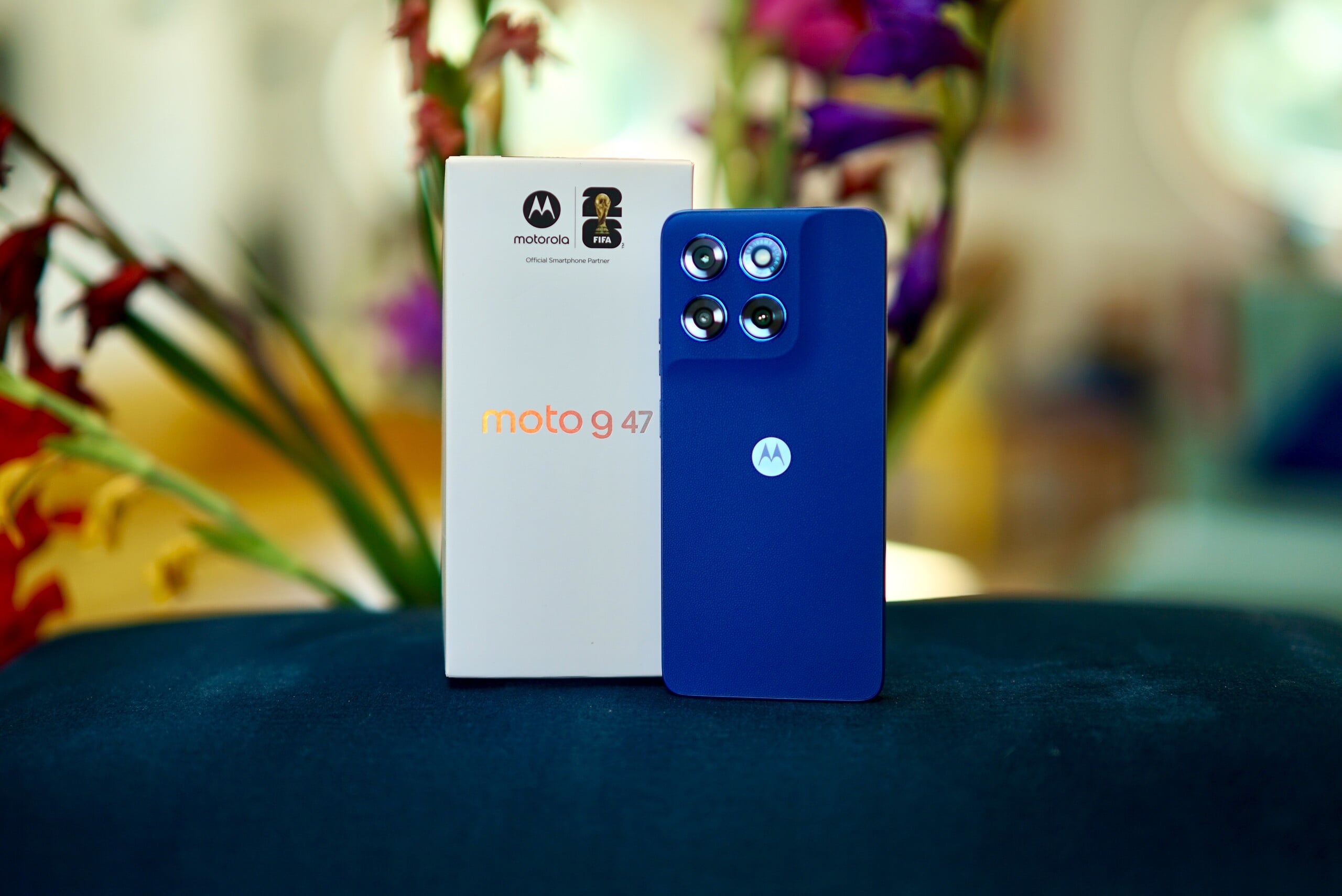
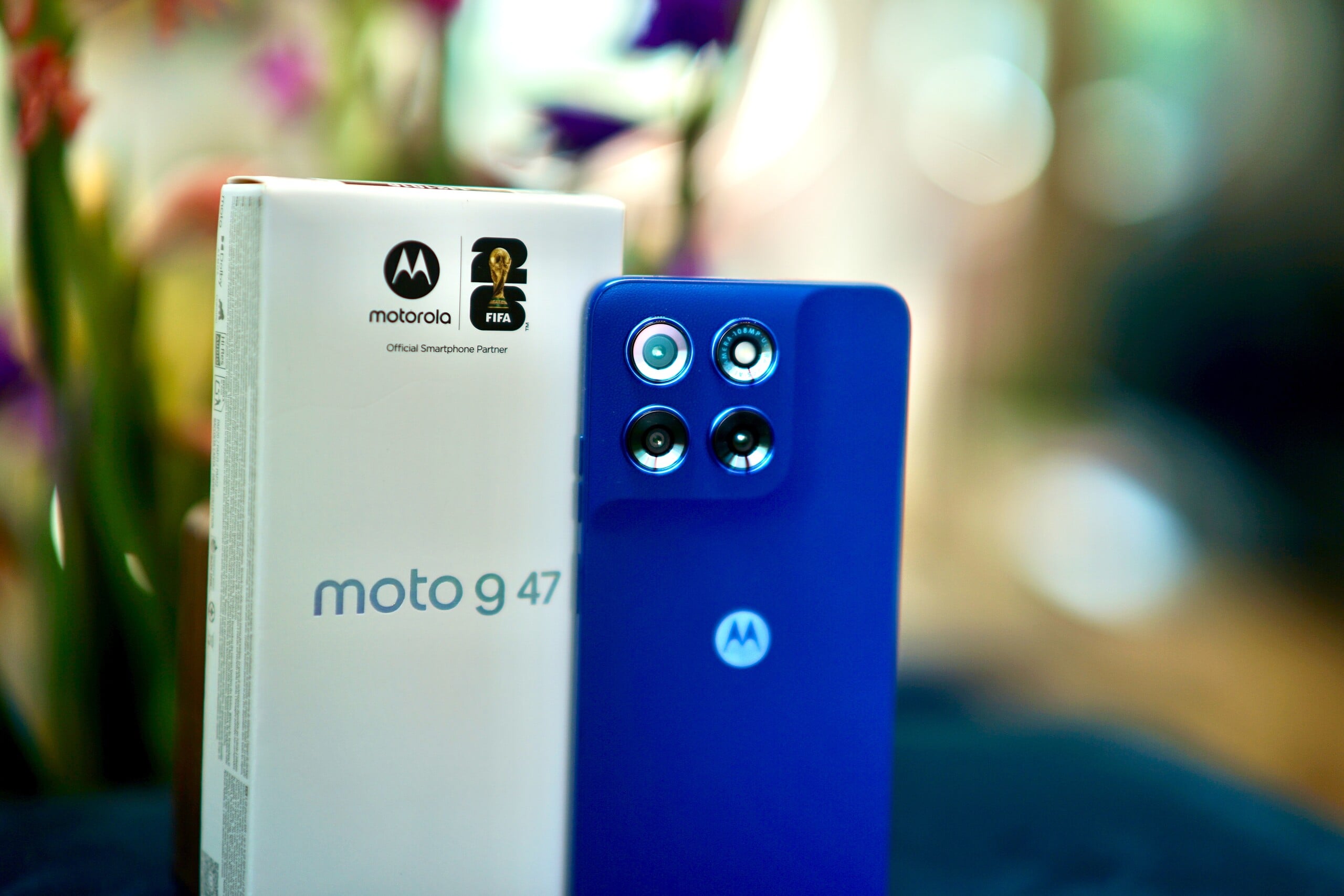
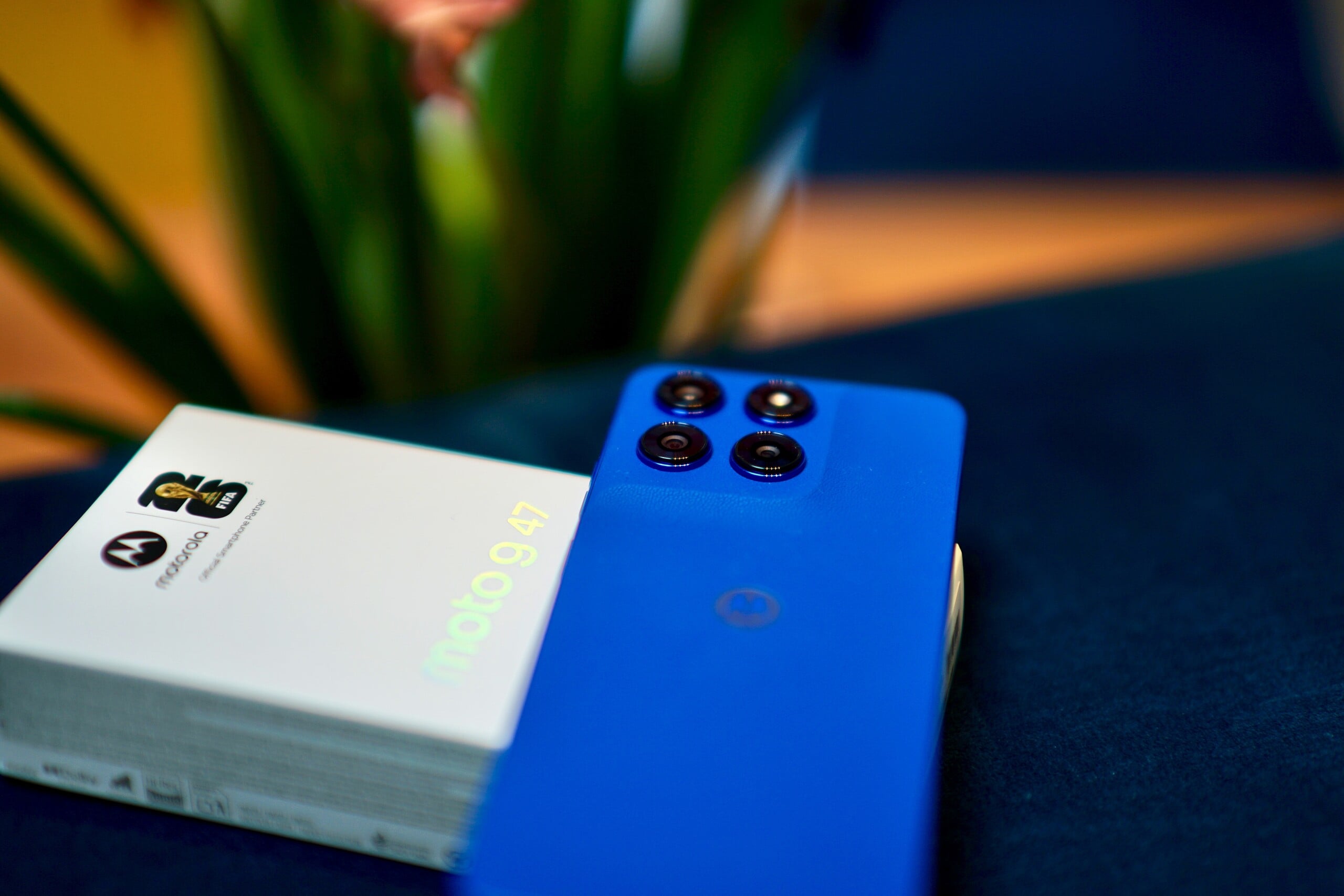
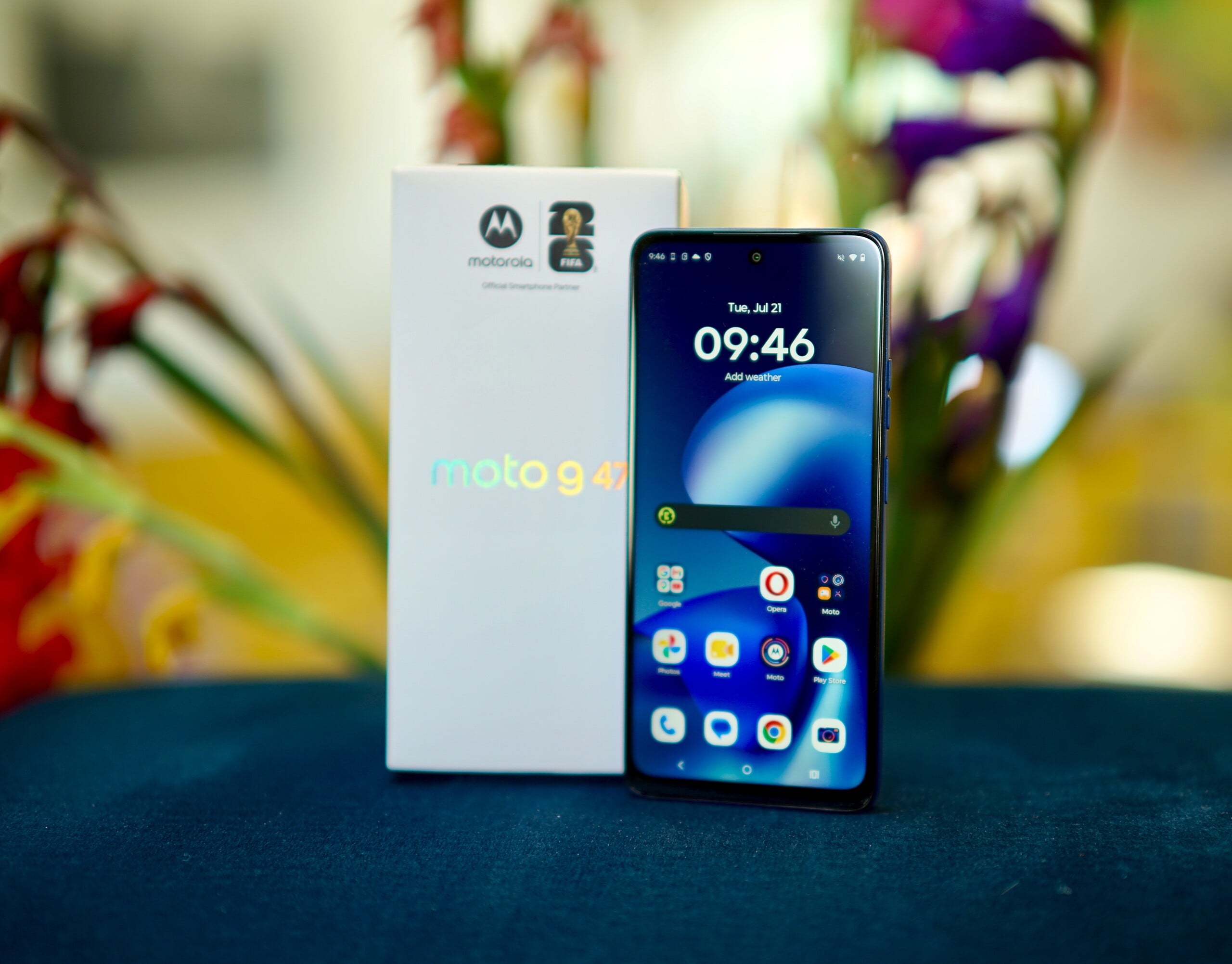
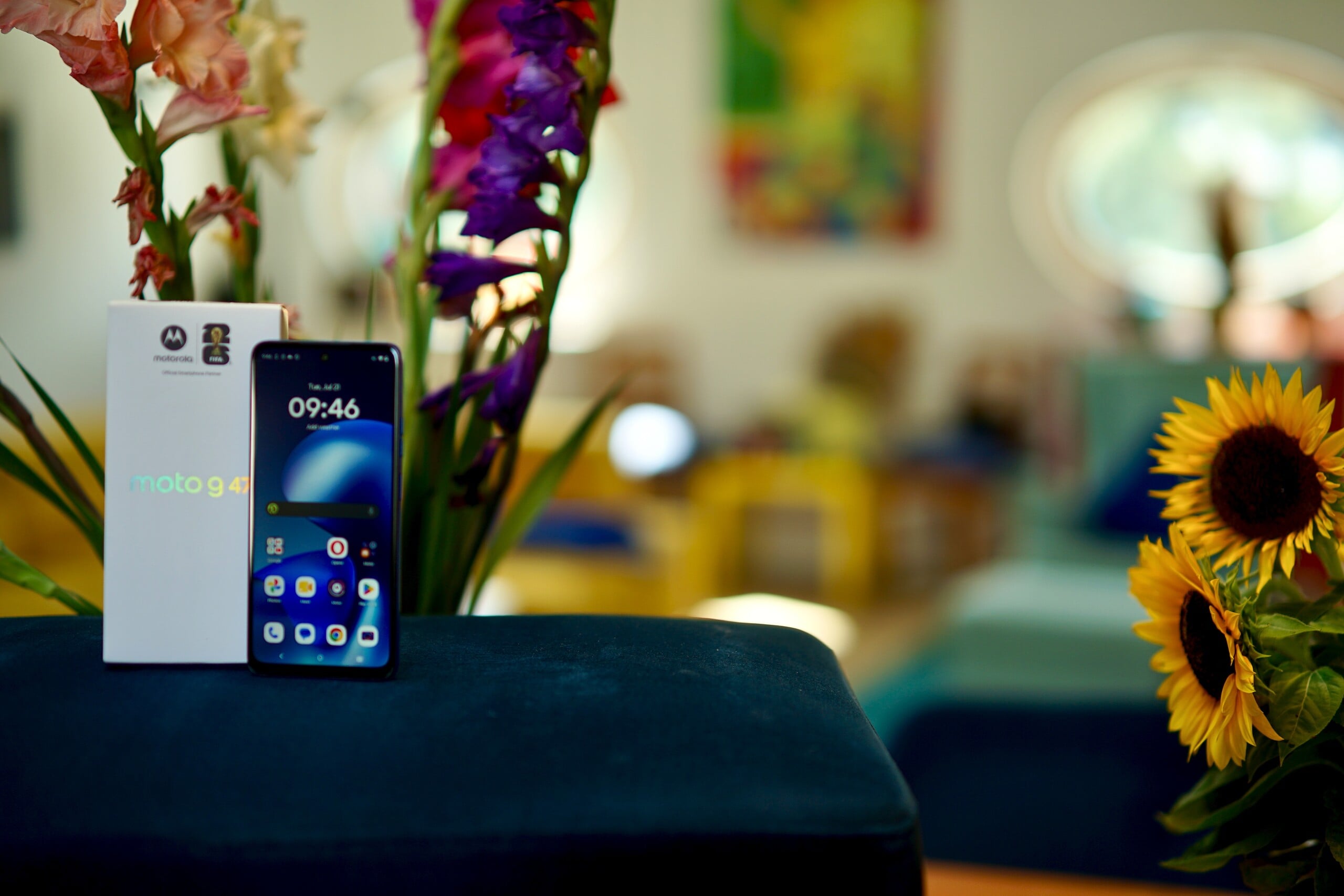
如今,就连摩托罗拉的入门级手机机身也采用了时尚的潘通色系:摩托罗拉 Moto G47 提供“不透色”(深灰色)、“航海蓝”(中蓝色)和“紫红色”(一种粉红色调)三种配色。
所有机型均采用柔软、类似人造皮革材质的后盖。该手机整体做工精良,尽管后盖与边框的衔接处不如更高价位机型那般平滑。
该机型配备128 GB存储空间和8 GB运行内存。 一个突出的特点——即便是入门级智能手机如今也并非标配——是保留了3.5毫米音频接口。此外还支持用于非接触式支付的NFC功能,但不支持eSIM。
若需扩展存储空间,可使用容量最高达1 TB的microSD卡。在我们的测试中,读卡器的读卡速度相当快。

| SD Card Reader - average JPG Copy Test (av. of 3 runs) | |
| Motorola Moto G37 (Angelbird V60) | |
| Motorola Moto G47 (Angelbird V60) | |
| Average of class Smartphone (5.72 - 58.9, n=53, last 2 years) | |
| Xiaomi Redmi Note 15 5G (Angelbird AV Pro V60) | |
跨平台磁盘测试(CPDT)
通信与操作——足够快的Wi-Fi
这款Wi-Fi调制解调器的传输速度可达约320 Mbit/s。这符合Wi-Fi 5的标准传输速率,对于需求不高的用户而言应该足够了。
目前有多种4G和5G频段可用。不过,Moto G47并非全球通手机,因此在出国旅行前,您应确认该手机能否在当地连接移动数据。
在为期两周的测试期间,信号接收非常稳定。
屏幕最高可显示每秒120帧,对操作输入的响应非常迅速。右侧的电源键中集成了指纹传感器。一旦注册指纹,即可可靠且几乎无延迟地解锁手机。虽然也支持通过前置摄像头进行人脸识别,但安全性稍逊一筹。
| Networking | |
| Motorola Moto G47 | |
| iperf3 transmit Wi-Fi6/7 RT-BE96U | |
| iperf3 receive Wi-Fi6/7 RT-BE96U | |
| Motorola Moto G37 | |
| iperf3 transmit Wi-Fi6/7 RT-BE96U | |
| iperf3 receive Wi-Fi6/7 RT-BE96U | |
| Xiaomi Redmi Note 15 5G | |
| iperf3 transmit AXE11000 | |
| iperf3 receive AXE11000 | |
| Samsung Galaxy A37 5G | |
| iperf3 transmit Wi-Fi6/7 RT-BE96U | |
| iperf3 receive Wi-Fi6/7 RT-BE96U | |
| Average 802.11 a/b/g/n/ac | |
| iperf3 transmit AXE11000 | |
| iperf3 receive AXE11000 | |
| iperf3 transmit Wi-Fi6/7 RT-BE96U | |
| iperf3 receive Wi-Fi6/7 RT-BE96U | |
| Average of class Smartphone | |
| iperf3 transmit AXE11000 | |
| iperf3 receive AXE11000 | |
| iperf3 transmit Wi-Fi6/7 RT-BE96U | |
| iperf3 receive Wi-Fi6/7 RT-BE96U | |
软件与可持续发展——仅有三年的安全性
摩托罗拉以基本不修改原生安卓系统而闻名,并将额外功能整合到自家应用中,以便于更新。该机型预装了安卓16系统;截至测试时,安全补丁更新至2026年5月,因此已略显过时。
制造商承诺提供三年的系统更新。这算不上慷慨;任何希望长期使用这部手机的用户,最终可能会发现自己无法获得最新的软件更新。
包装采用无塑料设计,但遗憾的是,关于该设备的可持续性方面,目前尚无其他相关信息。
相机——高像素主摄像头

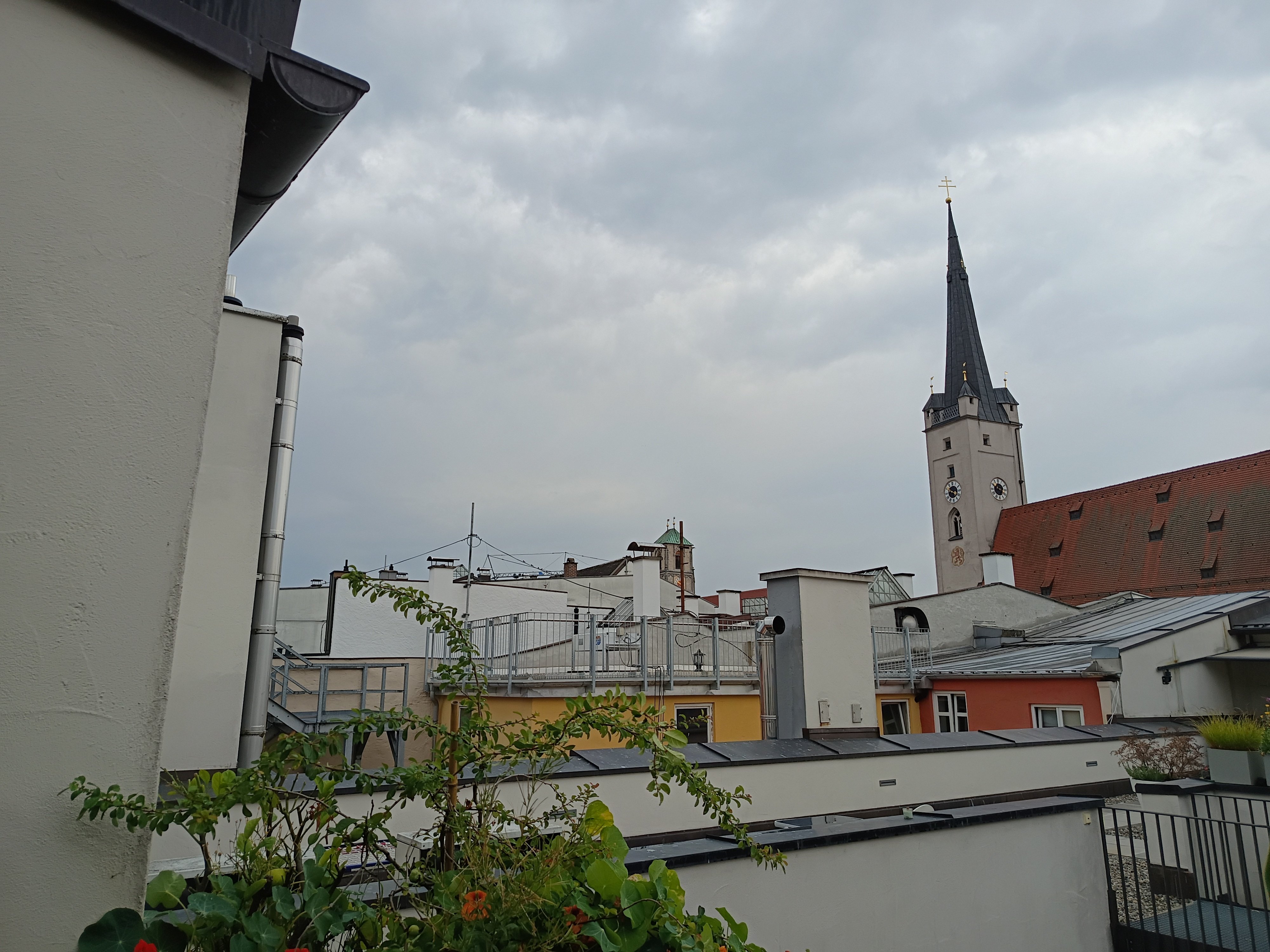
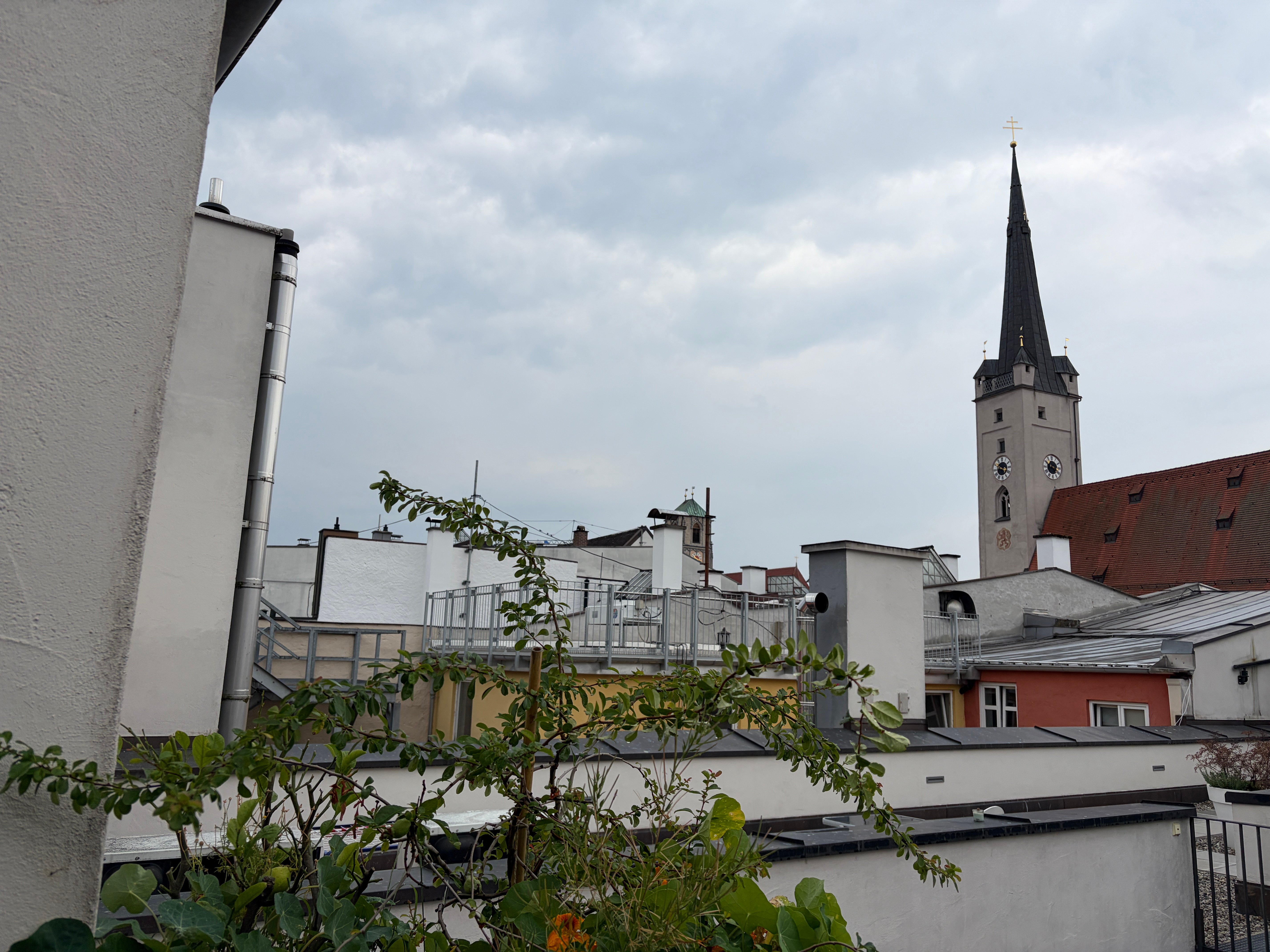
1.08亿像素主摄像头被誉为Moto G47的亮点。但它实际拍摄效果如何?这取决于您的个人期望:总体而言,其锐度和曝光表现仅属中等,但只要不将照片放大过多,日常使用已足够。
后置摄像头系统还配备了一枚200万像素的长焦镜头,但由于分辨率较低,仅适合拍摄快照。
前置摄像头为800万像素,用于自拍。在光线充足的条件下,自拍效果相当不错,甚至可以稍微放大查看。
Image comparison
Choose a scene and navigate within the first image. One click changes the position on touchscreens. One click on the zoomed-in image opens the original in a new window. The first image shows the scaled photograph of the test device.
PlantSurroundingLow Light




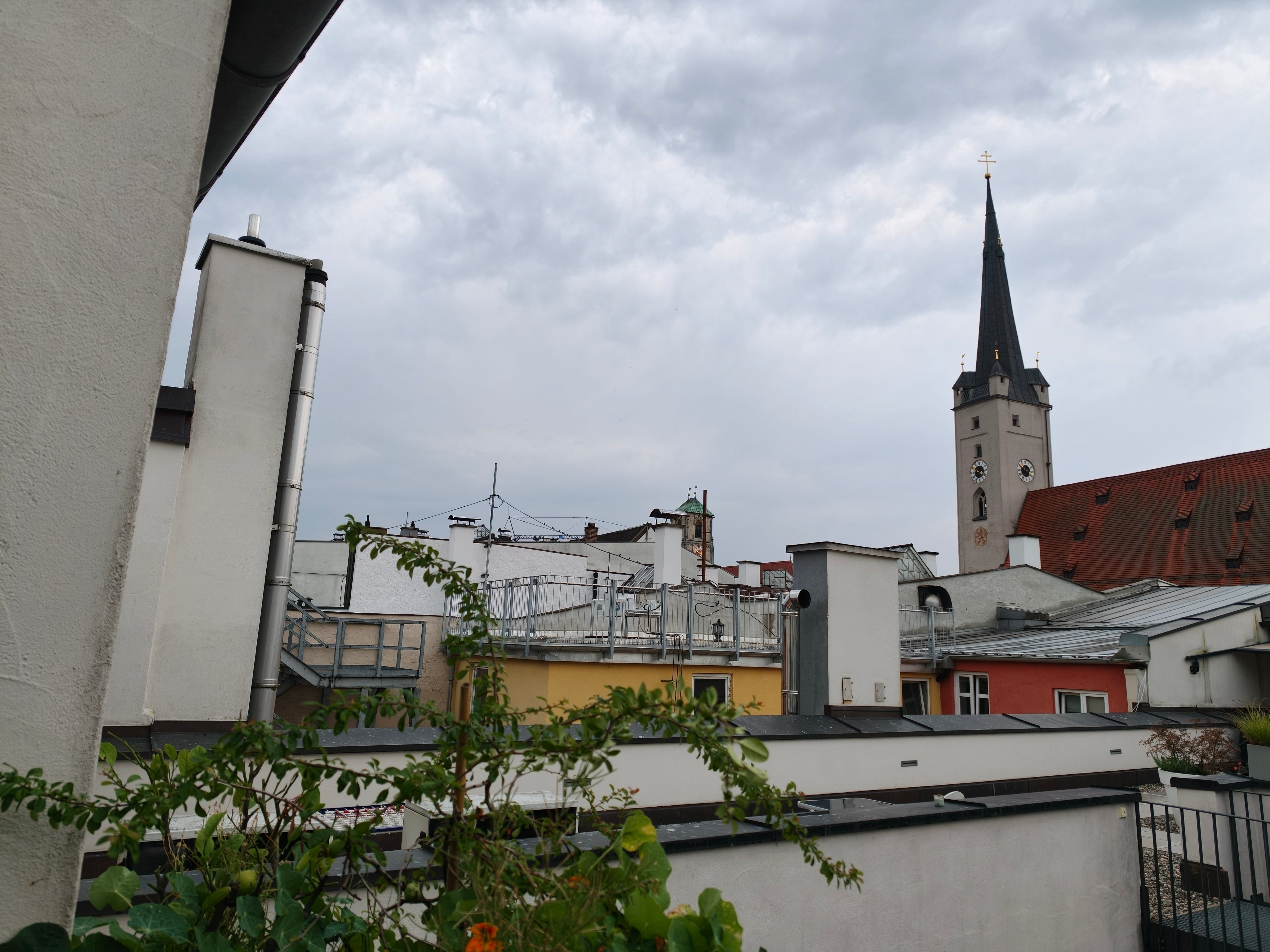
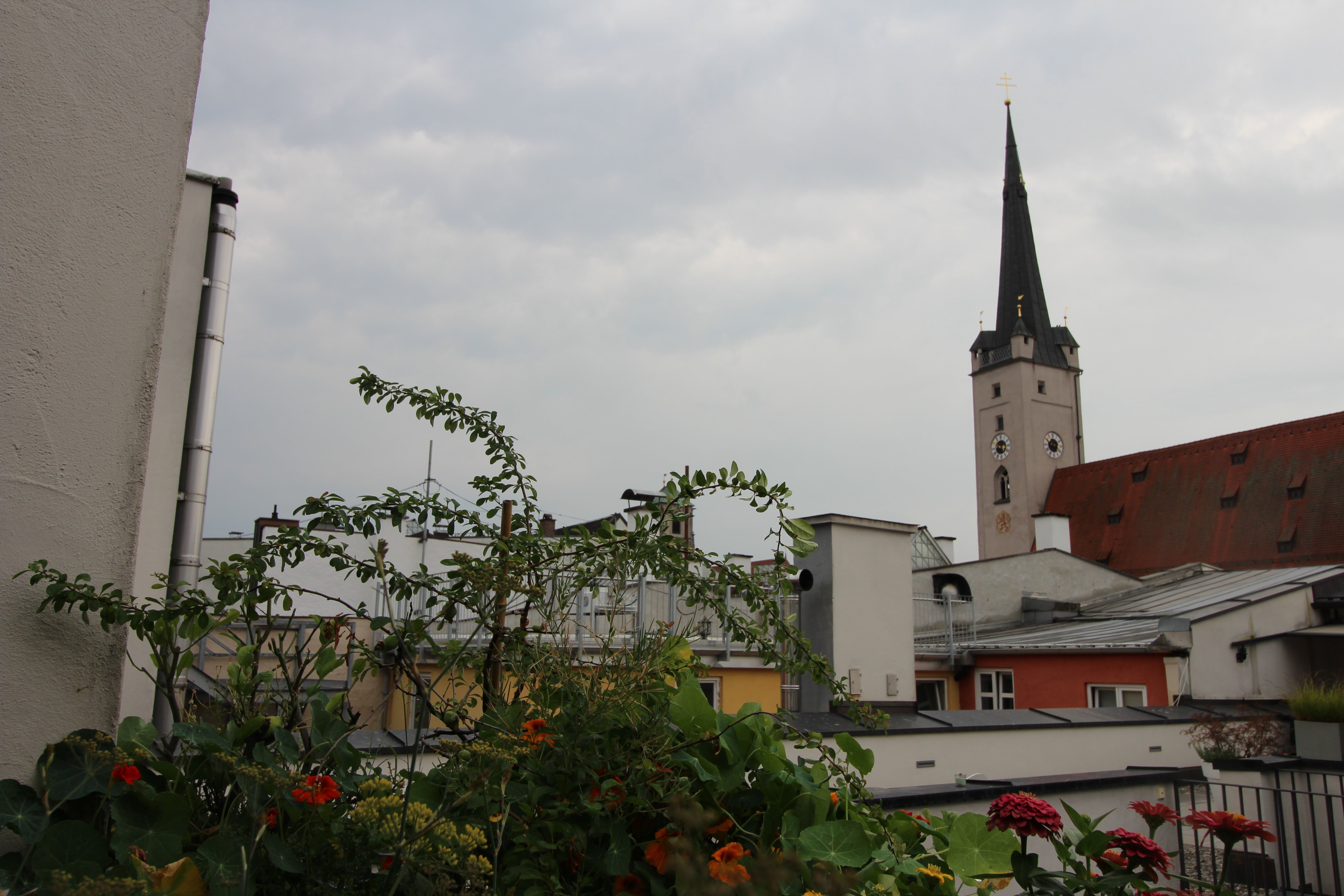






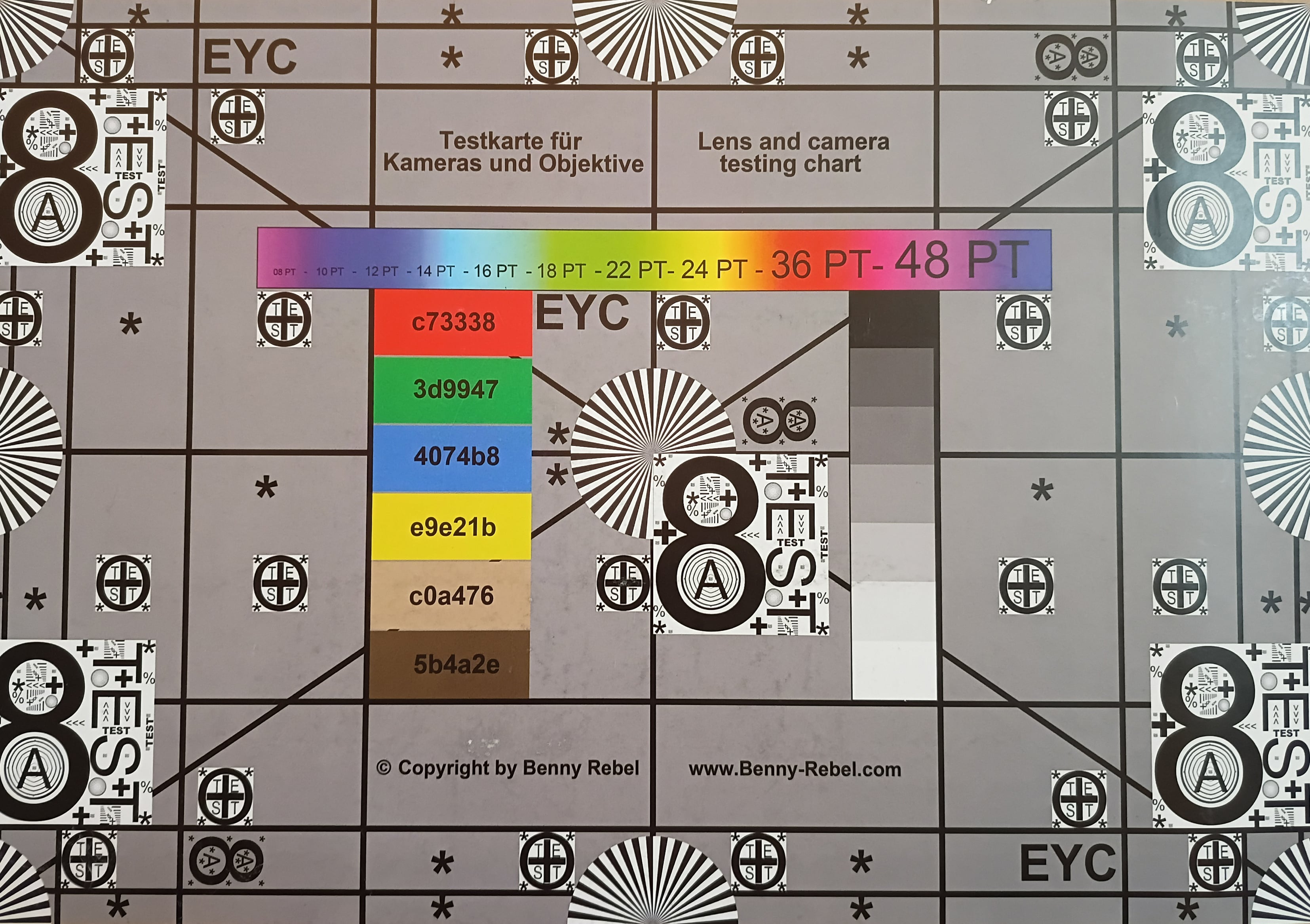

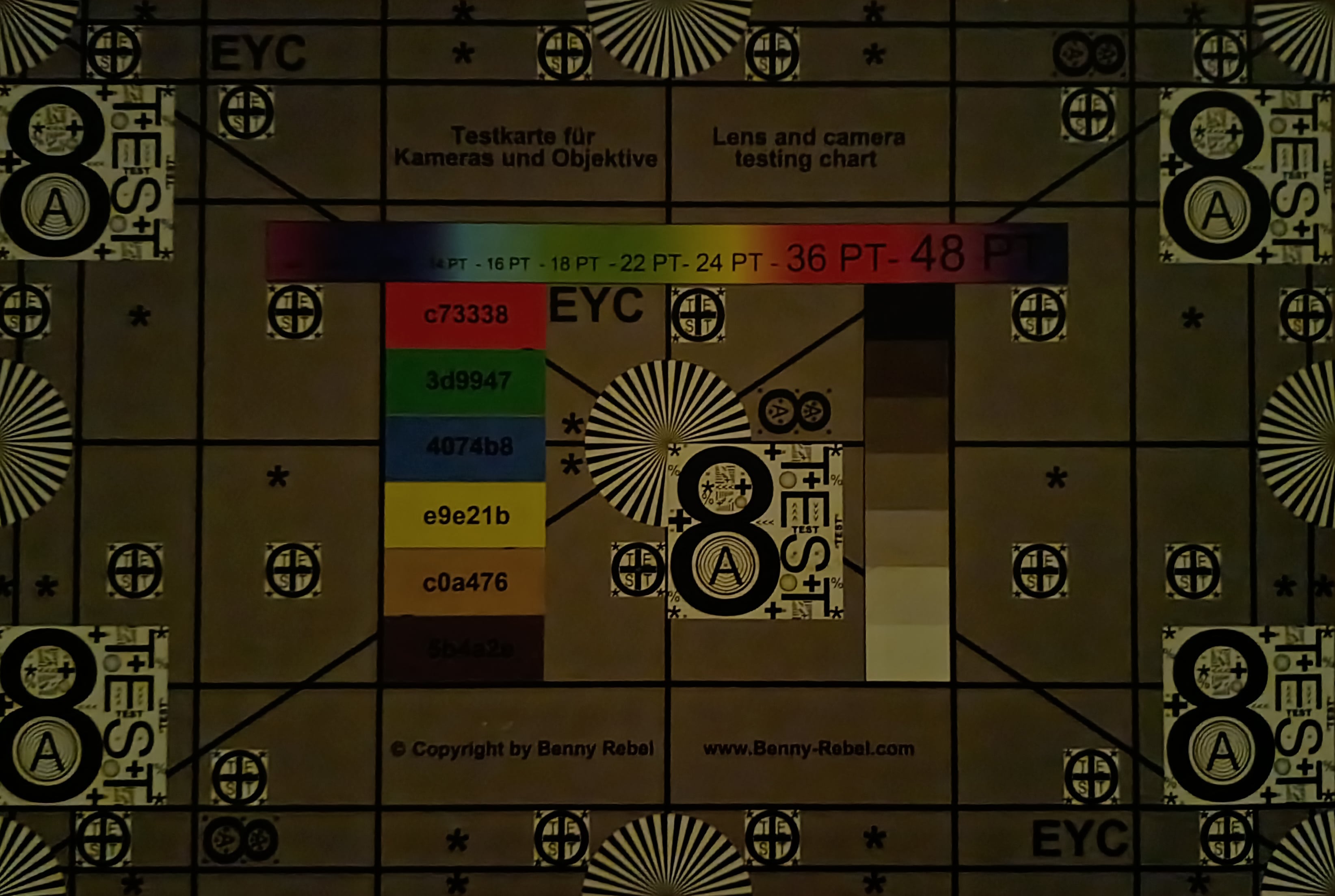

显示屏——配备IPS屏幕的摩托罗拉手机
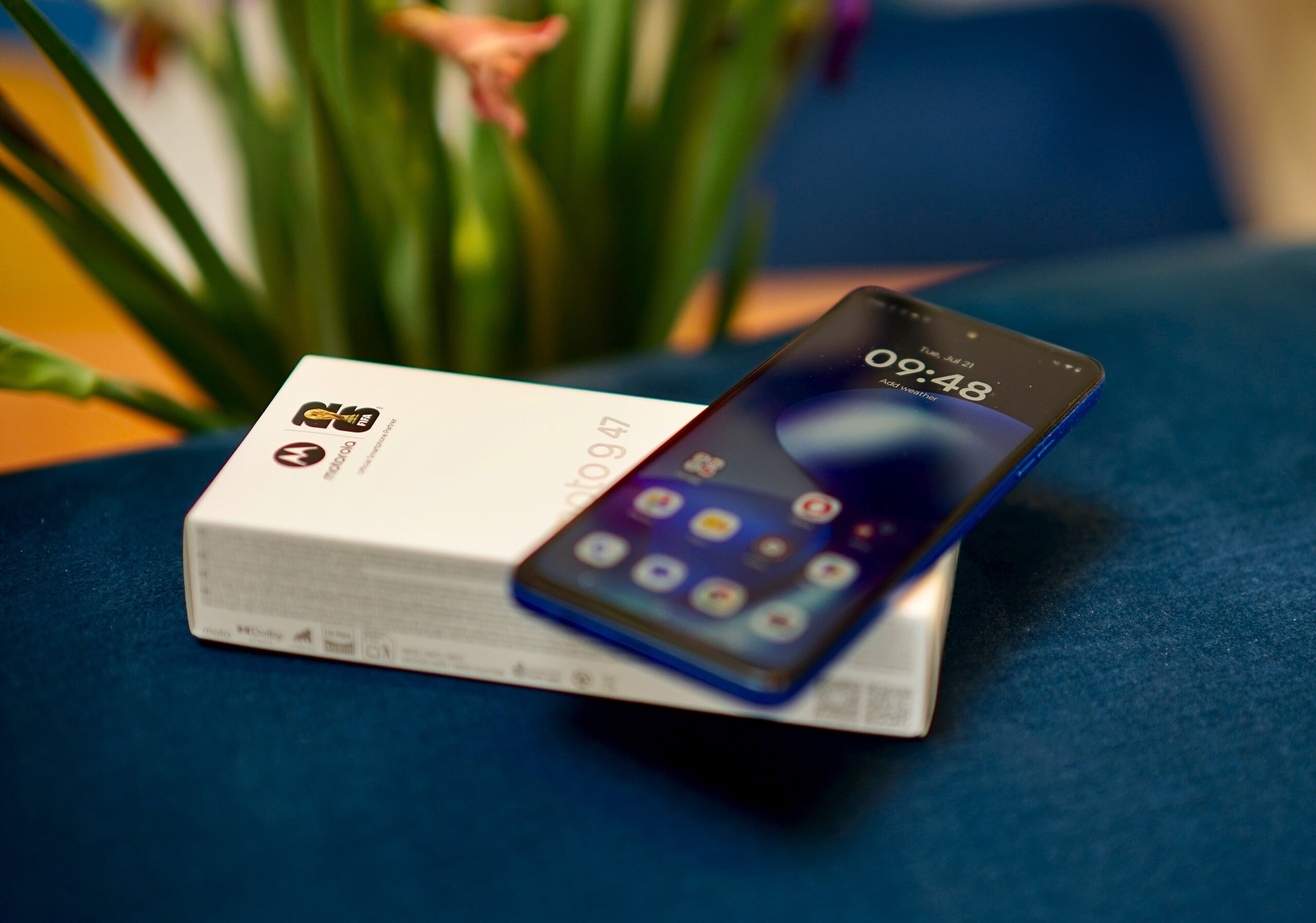
在屏幕方面,消费者只能将就一下:1,604 x 720 像素的相对较低分辨率,以及约 800 尼特的峰值亮度,导致画面略显模糊,在光线非常明亮的环境下表现并不出彩。
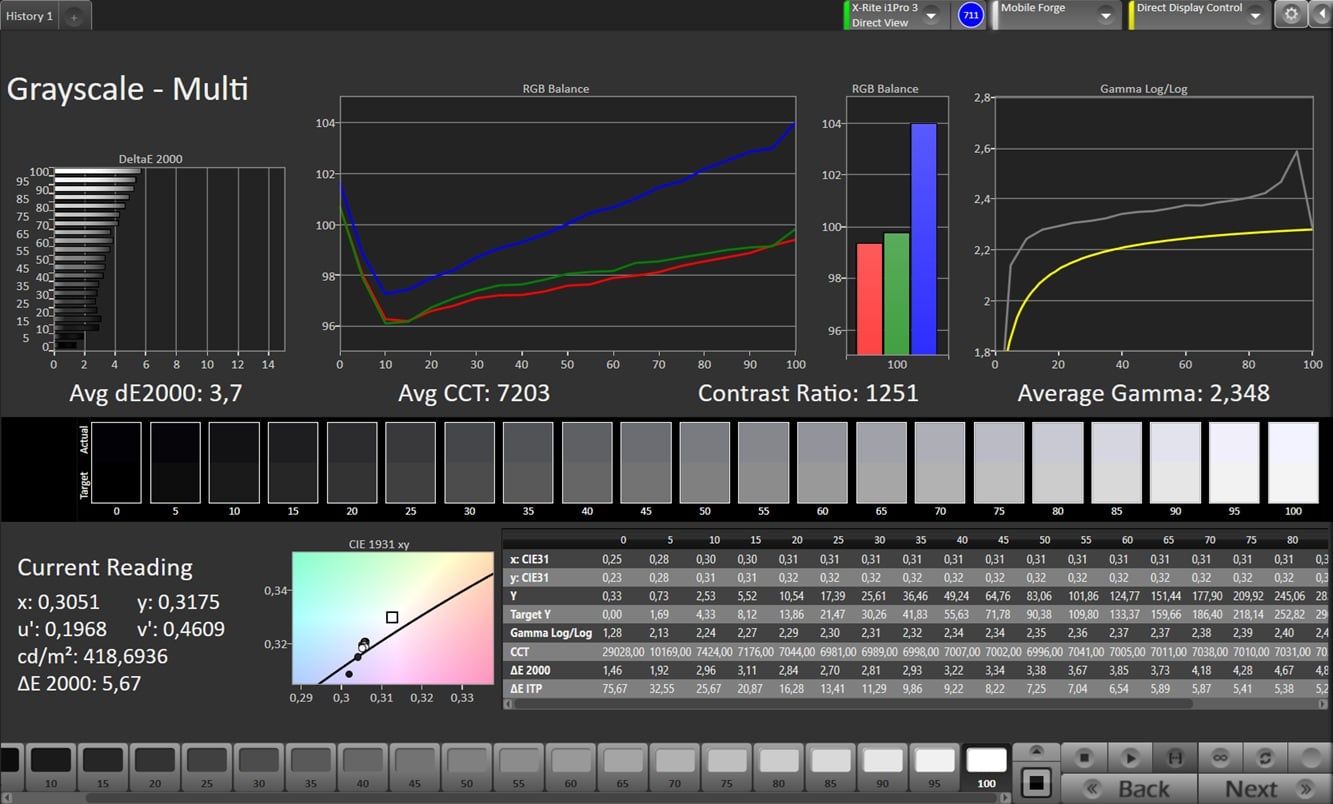
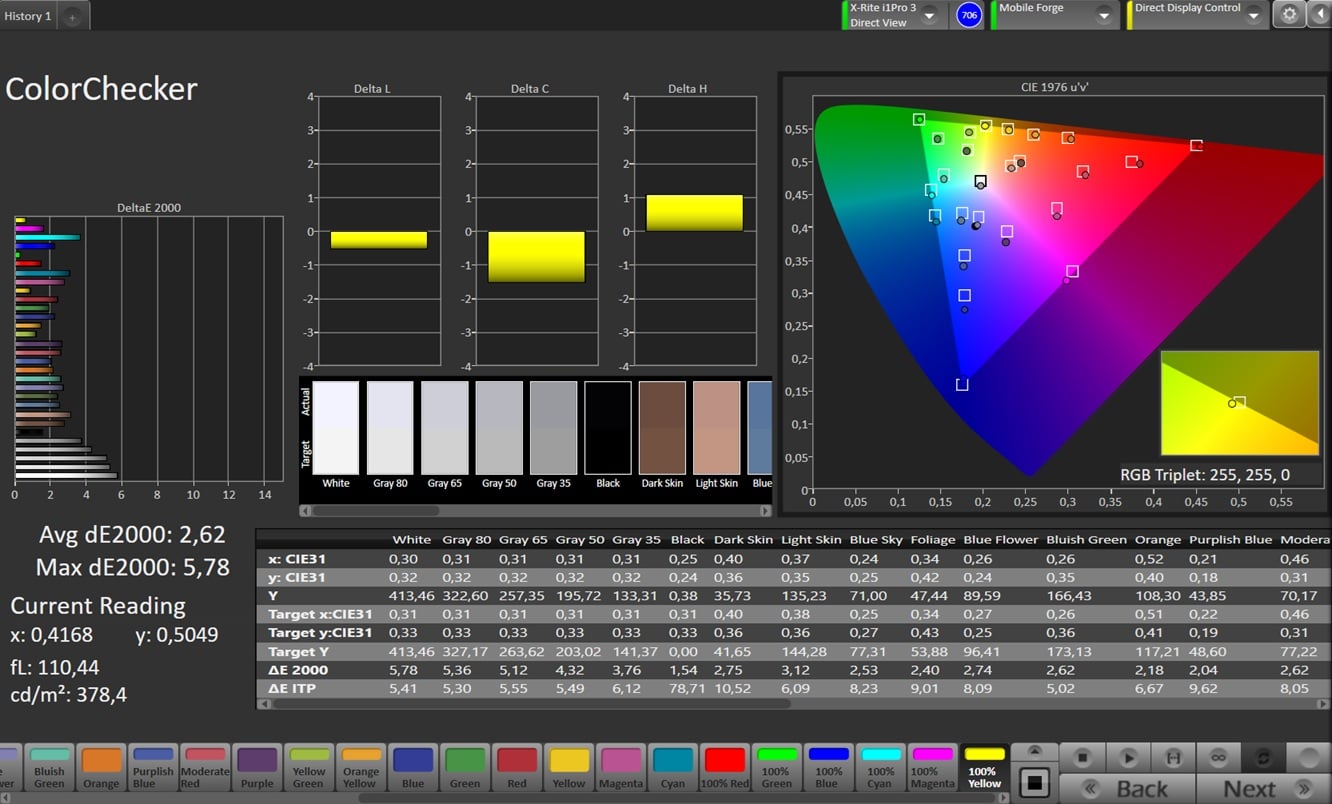
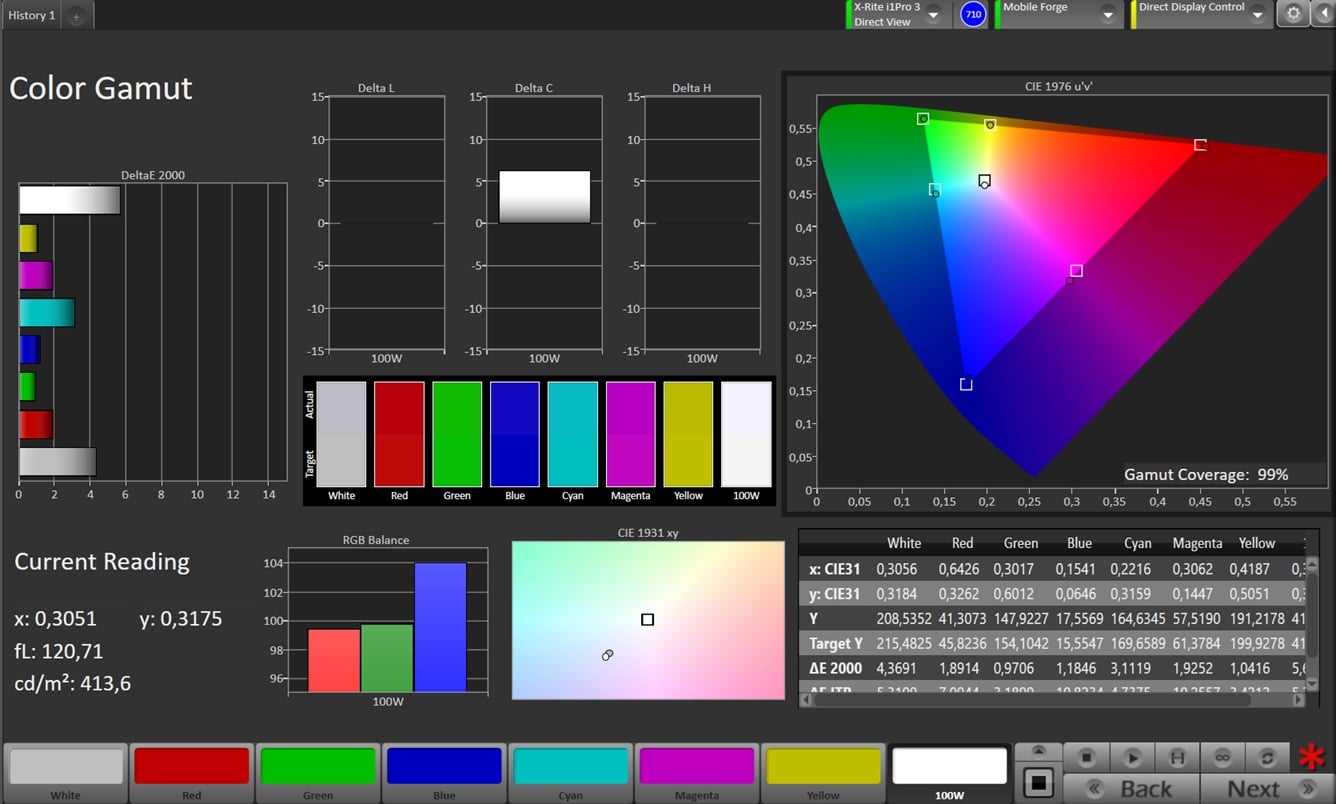
色彩准确度也仅属中等水平。不过,得益于IPS面板,屏幕至少不会出现PWM闪烁现象。
| |||||||||||||||||||||||||
Center on Battery: 784 cd/m²
Contrast: 2376:1 (Black: 0.33 cd/m²)
ΔE ColorChecker Calman: 2.62 | ∀{0.5-29.43 Ø4.7}
ΔE Greyscale Calman: 3.7 | ∀{0.09-98 Ø4.95}
99% sRGB (Calman 2D)
Gamma: 2.348
CCT: 7203 K
| Motorola Moto G47 IPS, 1604x720, 6.7" | Motorola Moto G37 IPS, 1604x720, 6.7" | Xiaomi Redmi Note 15 5G AMOLED, 2392x1080, 6.8" | Samsung Galaxy A37 5G Super AMOLED, 2340x1080, 6.7" | |
|---|---|---|---|---|
| Display | -5% | 256% | 82% | |
| APL18 Peak Brightness (cd/m²) | 1002 | 943 -6% | 3430 242% | 1839 84% |
| HDR Peak Brightness (cd/m²) | 971 | 933 -4% | 3582 269% | 1752 80% |
| Response Times | 34% | 96% | 95% | |
| Response Time Grey 50% / Grey 80% * (ms) | 34.6 ? | 16.3 ? 53% | 0.99 ? 97% | 1.57 ? 95% |
| Response Time Black / White * (ms) | 22.9 ? | 19.6 ? 14% | 1.13 ? 95% | 1.39 ? 94% |
| PWM Frequency (Hz) | 60 | 240 | ||
| PWM Amplitude * (%) | 13.61 | 16.58 | ||
| Screen | 0% | 47% | 13% | |
| Brightness middle (cd/m²) | 784 | 876 12% | 979 25% | 1127 44% |
| Black Level * (cd/m²) | 0.33 | 0.53 -61% | ||
| Contrast (:1) | 2376 | 1653 -30% | ||
| Colorchecker dE 2000 * | 2.62 | 1.83 30% | 1.3 50% | 2.6 1% |
| Colorchecker dE 2000 max. * | 5.78 | 4.55 21% | 2.6 55% | 5.3 8% |
| Greyscale dE 2000 * | 3.7 | 2.6 30% | 1.6 57% | 3.7 -0% |
| Gamma | 2.348 94% | 2.209 100% | 2.23 99% | 2.06 107% |
| CCT | 7203 90% | 7094 92% | 6688 97% | 6496 100% |
| Brightness (cd/m²) | 969 | |||
| Brightness Distribution (%) | 95 | |||
| Total Average (Program / Settings) | 10% /
6% | 133% /
111% | 63% /
51% |
* ... smaller is better
Screen Flickering / PWM (Pulse-Width Modulation)
| Screen flickering / PWM not detected | 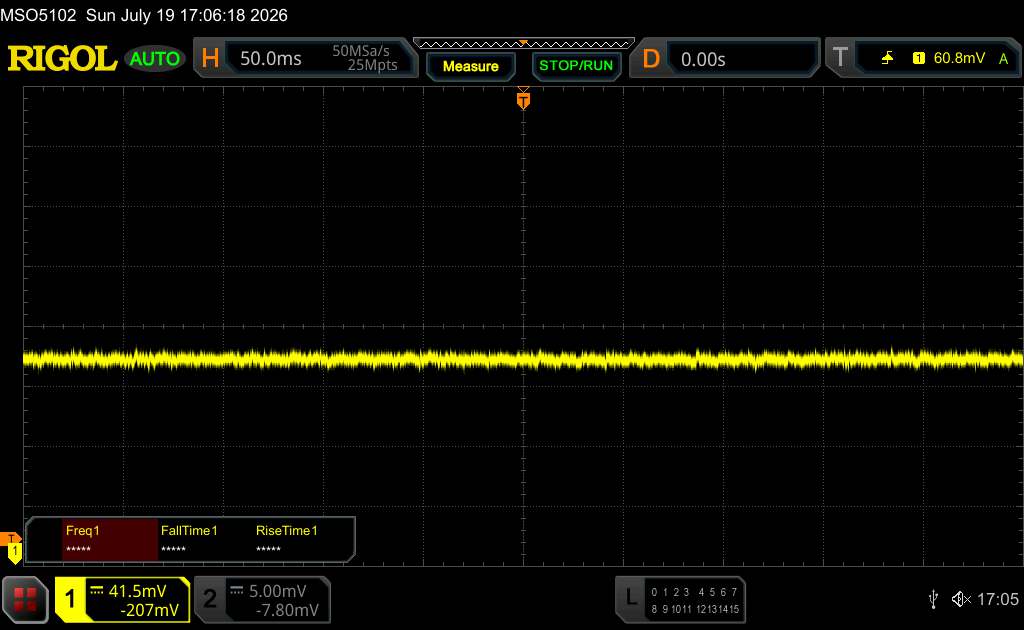 | ||
In comparison: 52 % of all tested devices do not use PWM to dim the display. If PWM was detected, an average of 7656 (minimum: 5 - maximum: 343500) Hz was measured. | |||
Display Response Times
| ↔ Response Time Black to White | ||
|---|---|---|
| 22.9 ms ... rise ↗ and fall ↘ combined | ↗ 11.9 ms rise | 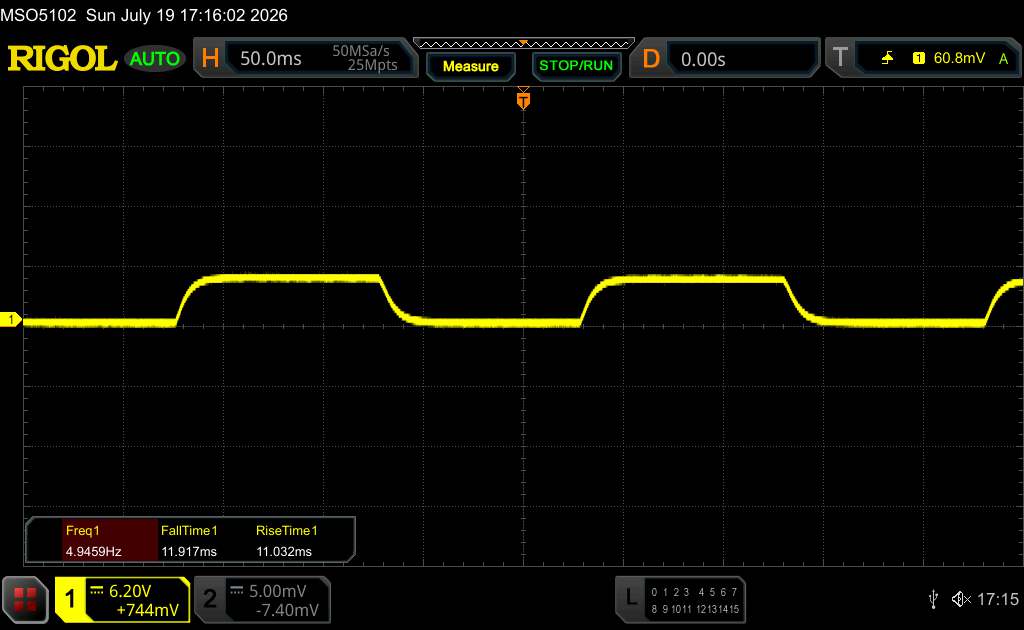 |
| ↘ 11 ms fall | ||
| The screen shows good response rates in our tests, but may be too slow for competitive gamers. In comparison, all tested devices range from 0.1 (minimum) to 240 (maximum) ms. » 52 % of all devices are better. This means that the measured response time is worse than the average of all tested devices (19.7 ms). | ||
| ↔ Response Time 50% Grey to 80% Grey | ||
| 34.6 ms ... rise ↗ and fall ↘ combined | ↗ 17.7 ms rise | 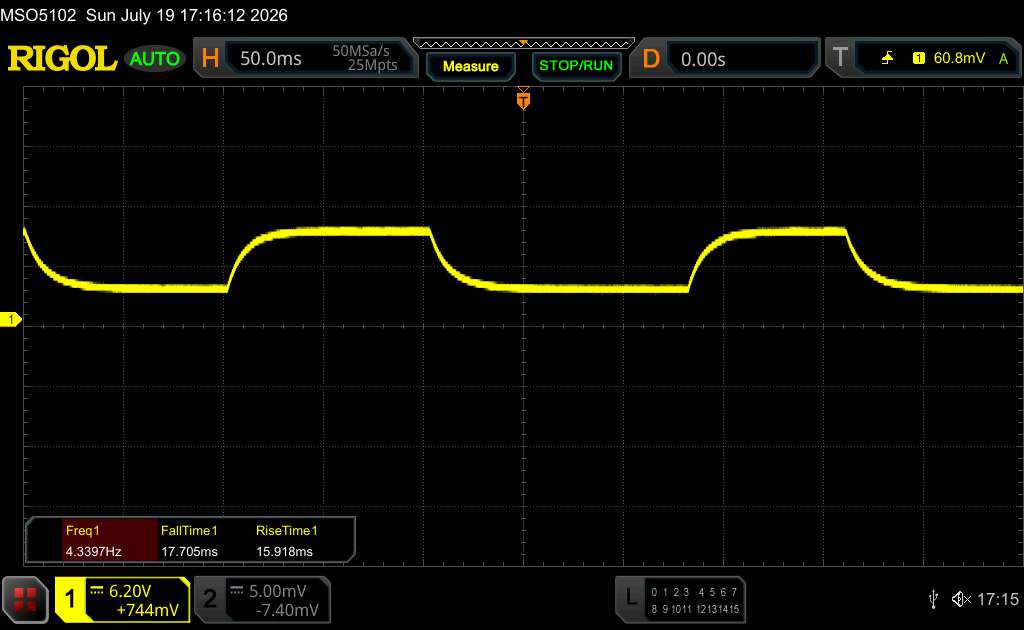 |
| ↘ 15.9 ms fall | ||
| The screen shows slow response rates in our tests and will be unsatisfactory for gamers. In comparison, all tested devices range from 0.13 (minimum) to 636 (maximum) ms. » 49 % of all devices are better. This means that the measured response time is worse than the average of all tested devices (30.8 ms). | ||
性能、排放与电池续航——可使用一整天
该机型采用联发科天玑6300作为处理器。即便在这个入门级价位段,其运行速度也并不突出,甚至在简单浏览菜单时,也无法始终保证流畅的性能表现。
存储采用UFS 2.1闪存,速度处于平均水平:确实有其他入门级手机的加载速度更快。
设备会明显发热,但在室温下这并不构成问题。 在长时间高负载运行下,我们未观察到任何降频现象。
底部边框的扬声器配合听筒,可实现立体声效果。虽然音量可以调得很大,但音质平衡性仅属一般,且高音过重。这使得聆听音乐或电影原声带的体验大打折扣。
您可以通过 3.5 毫米接口或蓝牙连接耳机和音箱,且连接过程毫无问题。无线音频传输支持所有主流编解码器。
在轻度负载下,功耗偏高,但配备 5,200 mAh 电池的续航表现与同级别机型相当: 在我们的Wi-Fi测试中,该手机续航时间略低于18小时。这应该足以让你在没有附近电源插座的情况下轻松度过一个工作日。充电时间最多约2小时。
| Motorola Moto G47 | Motorola Moto G37 | Xiaomi Redmi Note 15 5G | Samsung Galaxy A37 5G | Average 128 GB UFS 2.1 Flash | Average of class Smartphone | |
|---|---|---|---|---|---|---|
| AndroBench 3-5 | -52% | 36% | 129% | -21% | 169% | |
| Sequential Read 256KB (MB/s) | 532.6 | 355.5 -33% | 911.87 71% | 1986.3 273% | 760 ? 43% | 2277 ? 328% |
| Sequential Write 256KB (MB/s) | 504.2 | 331.3 -34% | 867.34 72% | 1732.34 244% | 302 ? -40% | 1960 ? 289% |
| Random Read 4KB (MB/s) | 232.9 | 68.5 -71% | 222.77 -4% | 368.9 58% | 155.3 ? -33% | 315 ? 35% |
| Random Write 4KB (MB/s) | 291.3 | 93.8 -68% | 302.72 4% | 115.25 -60% | 132.5 ? -55% | 361 ? 24% |
(±) The maximum temperature on the upper side is 42.8 °C / 109 F, compared to the average of 35.3 °C / 96 F, ranging from 21.9 to 247 °C for the class Smartphone.
(±) The bottom heats up to a maximum of 42.2 °C / 108 F, compared to the average of 34.1 °C / 93 F
3DMark 压力测试
| 3DMark | |
| Wild Life Stress Test Stability | |
| Xiaomi Redmi Note 15 5G | |
| Samsung Galaxy A37 5G | |
| Motorola Moto G47 | |
| Motorola Moto G37 | |
| Wild Life Extreme Stress Test | |
| Xiaomi Redmi Note 15 5G | |
| Motorola Moto G37 | |
| Samsung Galaxy A37 5G | |
| Motorola Moto G47 | |
| Steel Nomad Light Stress Test Stability | |
| Xiaomi Redmi Note 15 5G | |
| Samsung Galaxy A37 5G | |
| Motorola Moto G47 | |
Motorola Moto G47 audio analysis
(+) | speakers can play relatively loud (87.1 dB)
Bass 100 - 315 Hz
(-) | nearly no bass - on average 32% lower than median
(±) | linearity of bass is average (14.5% delta to prev. frequency)
Mids 400 - 2000 Hz
(±) | higher mids - on average 10.6% higher than median
(±) | linearity of mids is average (9% delta to prev. frequency)
Highs 2 - 16 kHz
(±) | higher highs - on average 5.9% higher than median
(+) | highs are linear (6.3% delta to prev. frequency)
Overall 100 - 16.000 Hz
(±) | linearity of overall sound is average (29.4% difference to median)
Compared to same class
» 77% of all tested devices in this class were better, 4% similar, 19% worse
» The best had a delta of 11%, average was 34%, worst was 136%
Compared to all devices tested
» 87% of all tested devices were better, 2% similar, 10% worse
» The best had a delta of 4%, average was 23%, worst was 136%
Xiaomi Redmi Note 15 5G audio analysis
(+) | speakers can play relatively loud (88.7 dB)
Bass 100 - 315 Hz
(-) | nearly no bass - on average 28.4% lower than median
(±) | linearity of bass is average (9.7% delta to prev. frequency)
Mids 400 - 2000 Hz
(±) | reduced mids - on average 10% lower than median
(±) | linearity of mids is average (7.4% delta to prev. frequency)
Highs 2 - 16 kHz
(+) | balanced highs - only 4.7% away from median
(+) | highs are linear (6.5% delta to prev. frequency)
Overall 100 - 16.000 Hz
(±) | linearity of overall sound is average (22.1% difference to median)
Compared to same class
» 47% of all tested devices in this class were better, 7% similar, 46% worse
» The best had a delta of 11%, average was 34%, worst was 136%
Compared to all devices tested
» 64% of all tested devices were better, 6% similar, 30% worse
» The best had a delta of 4%, average was 23%, worst was 136%
| Off / Standby |   0.1 / 0.2 Watt 0.1 / 0.2 Watt |
| Idle |  1 / 1.3 / 1.6 Watt 1 / 1.3 / 1.6 Watt |
    
| |
Key:
min: ,
med: ,
max: Metrahit Energy | |
| Motorola Moto G47 5200 mAh | Motorola Moto G37 5200 mAh | Xiaomi Redmi Note 15 5G 5520 mAh | Samsung Galaxy A37 5G 5000 mAh | Average Mediatek Dimensity 6300 | Average of class Smartphone | |
|---|---|---|---|---|---|---|
| Power Consumption | 10% | 3% | -16% | -17% | -1% | |
| Idle Minimum * (Watt) | 1 | 0.9 10% | 1.04 -4% | 0.85 15% | 1.086 ? -9% | 0.878 ? 12% |
| Idle Average * (Watt) | 1.3 | 1.2 8% | 1.33 -2% | 1.86 -43% | 1.616 ? -24% | 1.453 ? -12% |
| Idle Maximum * (Watt) | 1.6 | 1.4 13% | 1.38 14% | 1.94 -21% | 1.884 ? -18% | 1.65 ? -3% |
| Load Average * (Watt) | 4.05 | 5.55 ? | 6.84 ? | |||
| Load Maximum * (Watt) | 8.98 | 7.75 ? | 11.1 ? |
* ... smaller is better
| Motorola Moto G47 5200 mAh | Motorola Moto G37 5200 mAh | Xiaomi Redmi Note 15 5G 5520 mAh | Samsung Galaxy A37 5G 5000 mAh | |
|---|---|---|---|---|
| Battery runtime | -2% | 3% | 4% | |
| Reader / Idle (h) | 36.2 | 34.9 -4% | 36.6 1% | |
| WiFi v1.3 (h) | 17.9 | 17.7 -1% | 19 6% | 18.6 4% |
| Load (h) | 4.1 | 4.1 0% | 4.2 2% | |
| H.264 (h) | 21.1 |
Notebookcheck 综合评分
归根结底,对于摩托罗拉 Moto G47 而言,关键在于你能以多低的价格买到它:
如果你能抢到不错的折扣,买到的就是一款可靠的平价手机。但如果你按原价购买,得到的性价比将不如近几年的机型。

Motorola Moto G47
- 08/06/2026 v8
Florian Schmitt
 Total Sustainability Score:
 可选方案的比较
Image | Model / Review | Price | Weight | Drive | Display |
|---|---|---|---|---|---|
1. 73%  | Motorola Moto G47 Mediatek Dimensity 6300 ⎘ ARM Mali-G57 MP2 ⎘ 8 GB Memory, 128 GB UFS 2.1 | List Price: 319€ | 191 g | 128 GB UFS 2.1 Flash | 6.67" 1604x720 264 PPI IPS |
2. 72.7%  | Motorola Moto G37 Mediatek Dimensity 6300 ⎘ ARM Mali-G57 MP2 ⎘ 4 GB Memory, 128 GB eMMC | List Price: 250€ | 191 g | 128 GB eMMC Flash | 6.72" 1604x720 262 PPI IPS |
3. 76.5%  | Xiaomi Redmi Note 15 5G Qualcomm Snapdragon 6 Gen 3 ⎘ Qualcomm Adreno 710 ⎘ 8 GB Memory, 256 GB UFS 2.2 | Amazon: $279.50 List Price: 300€ | 178 g | 256 GB UFS 2.2 Flash | 6.77" 2392x1080 388 PPI AMOLED |
4. 79%  | Samsung Galaxy A37 5G Samsung Exynos 1480 ⎘ Samsung Xclipse 530 ⎘ 8 GB Memory, 256 GB UFS 3.1 | List Price: 519€ | 196 g | 256 GB UFS 3.1 Flash | 6.70" 2340x1080 385 PPI Super AMOLED |
Transparency
The selection of devices to be reviewed is made by our editorial team. The test sample was provided to the author as a loan by the manufacturer or retailer for the purpose of this review. The lender had no influence on this review, nor did the manufacturer receive a copy of this review before publication. There was no obligation to publish this review. As an independent media company, Notebookcheck is not subjected to the authority of manufacturers, retailers or publishers.
This is how Notebookcheck is testing
Every year, Notebookcheck independently reviews hundreds of laptops and smartphones using standardized procedures to ensure that all results are comparable. We have continuously developed our test methods for around 20 years and set industry standards in the process. In our test labs, high-quality measuring equipment is utilized by experienced technicians and editors. These tests involve a multi-stage validation process. Our complex rating system is based on hundreds of well-founded measurements and benchmarks, which maintains objectivity. Further information on our test methods can be found here.
 Add as a preferred source on Google