




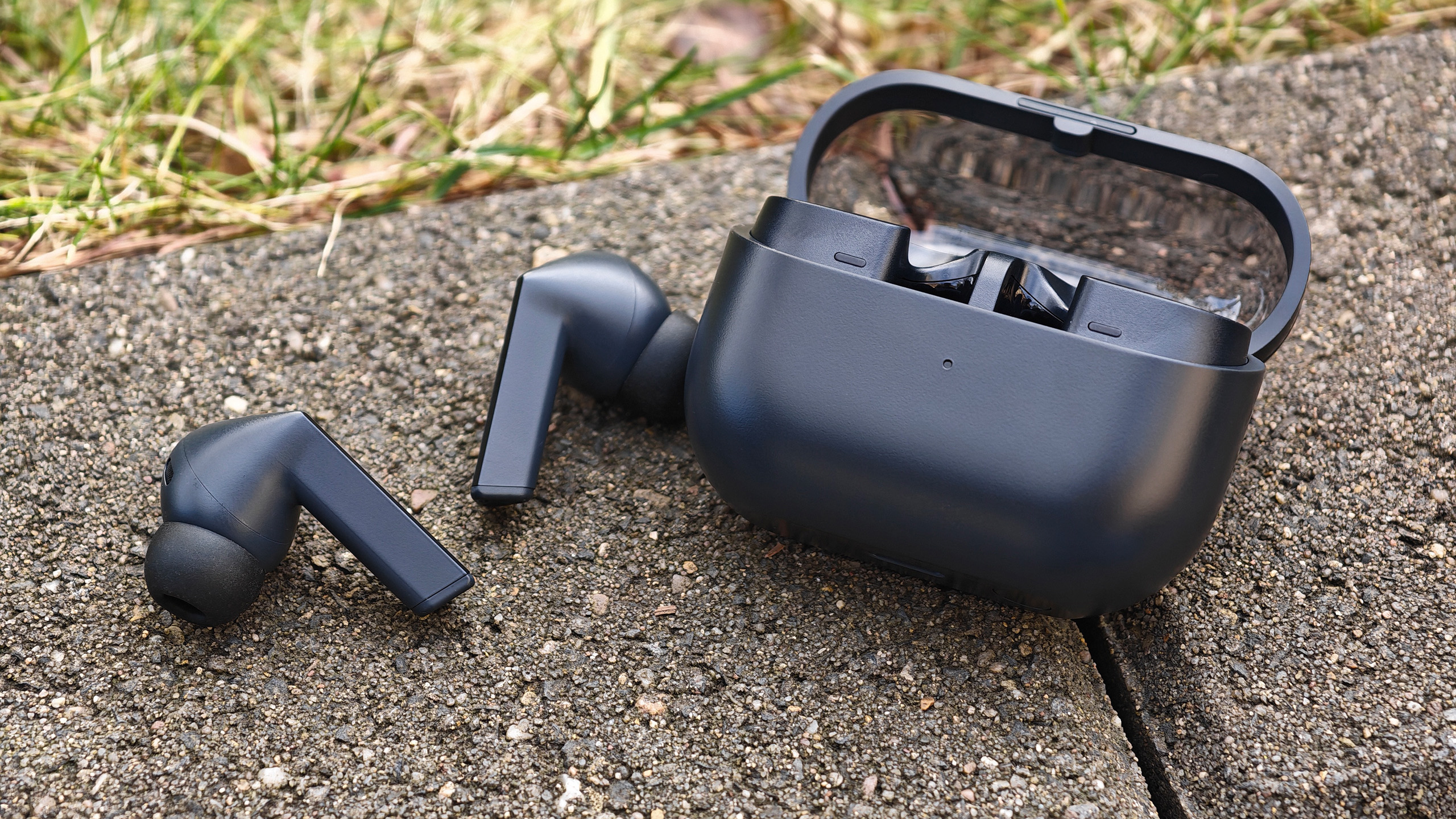
三星Galaxy Buds3 FE 的评价
三星Galaxy Buds3 FE 的目标是作为进入 Buds3 世界的经济型入门产品而大放异彩,但在竞争激烈的中端市场上,它们却因为明显的妥协而使其全价受到质疑。
从积极的一面来看,它们的降噪效果高于平均水平,设计坚固,佩戴舒适。电池续航时间、音质和通话表现都比较出色。不过,我们怀念多点支持。
Pros
Cons

规格:三星Galaxy Buds3 FE
| 佩戴方式 | 入耳式 |
| 连接性 | 蓝牙 5.4 |
| 范围 | 10 米 |
| 扬声器 | 动态单向扬声器,20 - 20,000 Hz,360° 音效 |
| 音频编解码器 | SBC、AAC、SSC |
| 电池容量 | 53 mAh(耳塞),515 mAh(充电盒) |
| 充电端口 | USB-C |
| 无线充电 | 不支持 |
| 重量 | 5 克(耳塞),41.8 克(充电盒) |
| 固件版本 | R420XXU0AYH1 |
| 包装盒包括 | 耳机、充电盒、硅胶耳塞(3 套:S、M、L) |
| 价格(建议零售价) | $150 |
三星Galaxy Buds3 FE 定位于三星入耳式生态系统中价格更低的入门产品,采用了 Buds3 Pro 的大部分设计,但减少了功能。我们的评测将确定它们是否仍然值得投资。
机身和人体工学设计 - 风扇版不带 LED 灯带
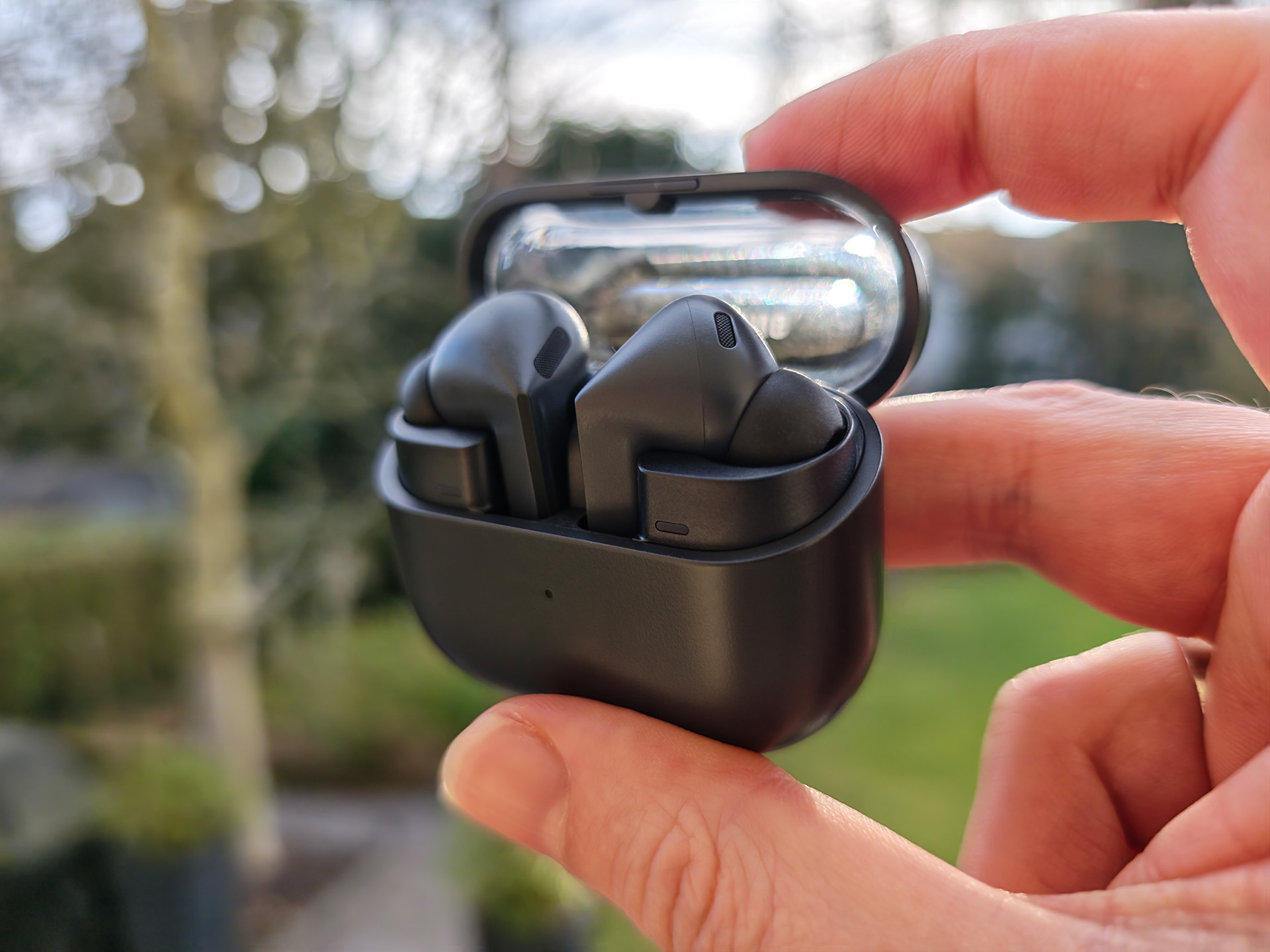
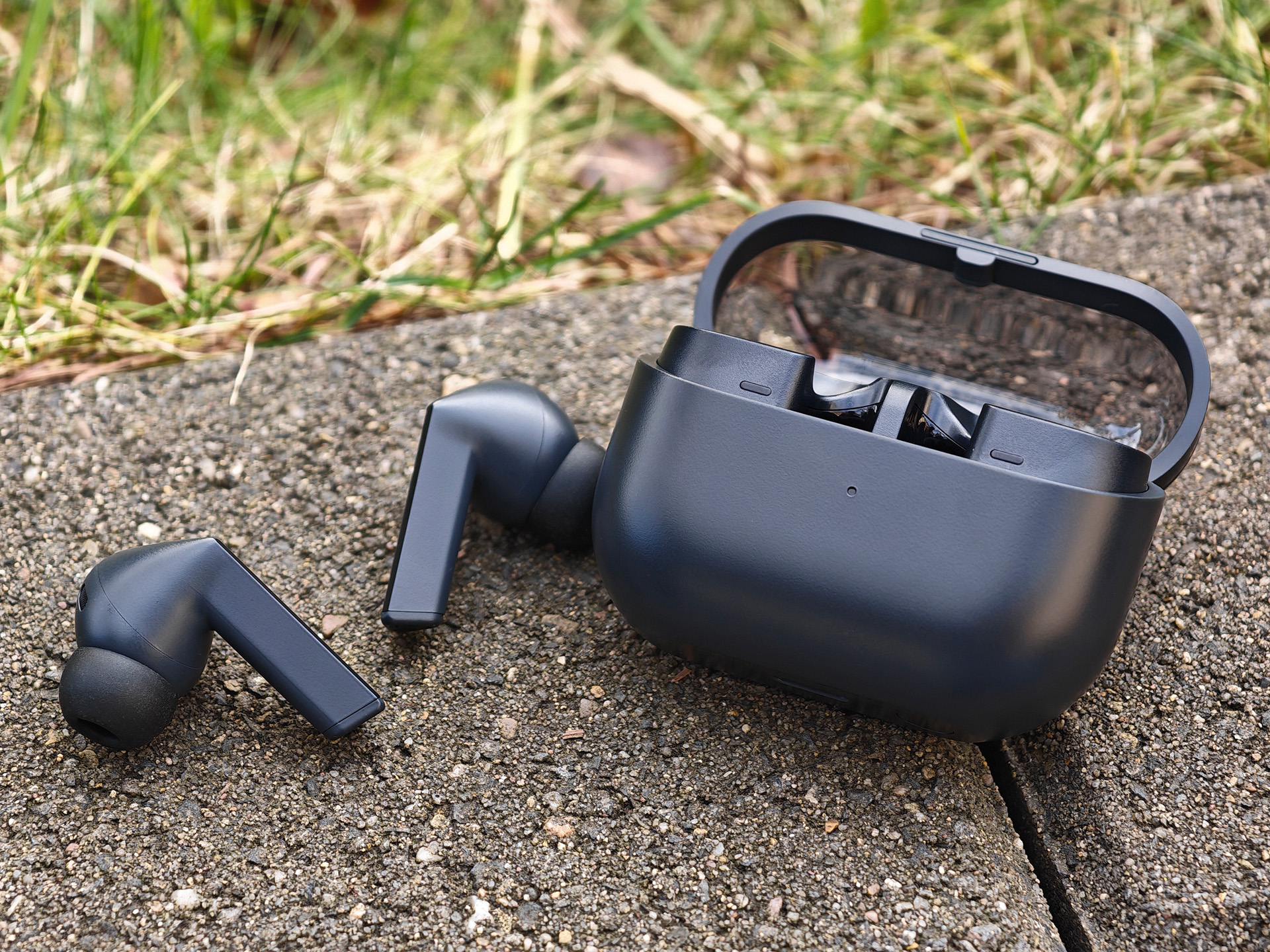
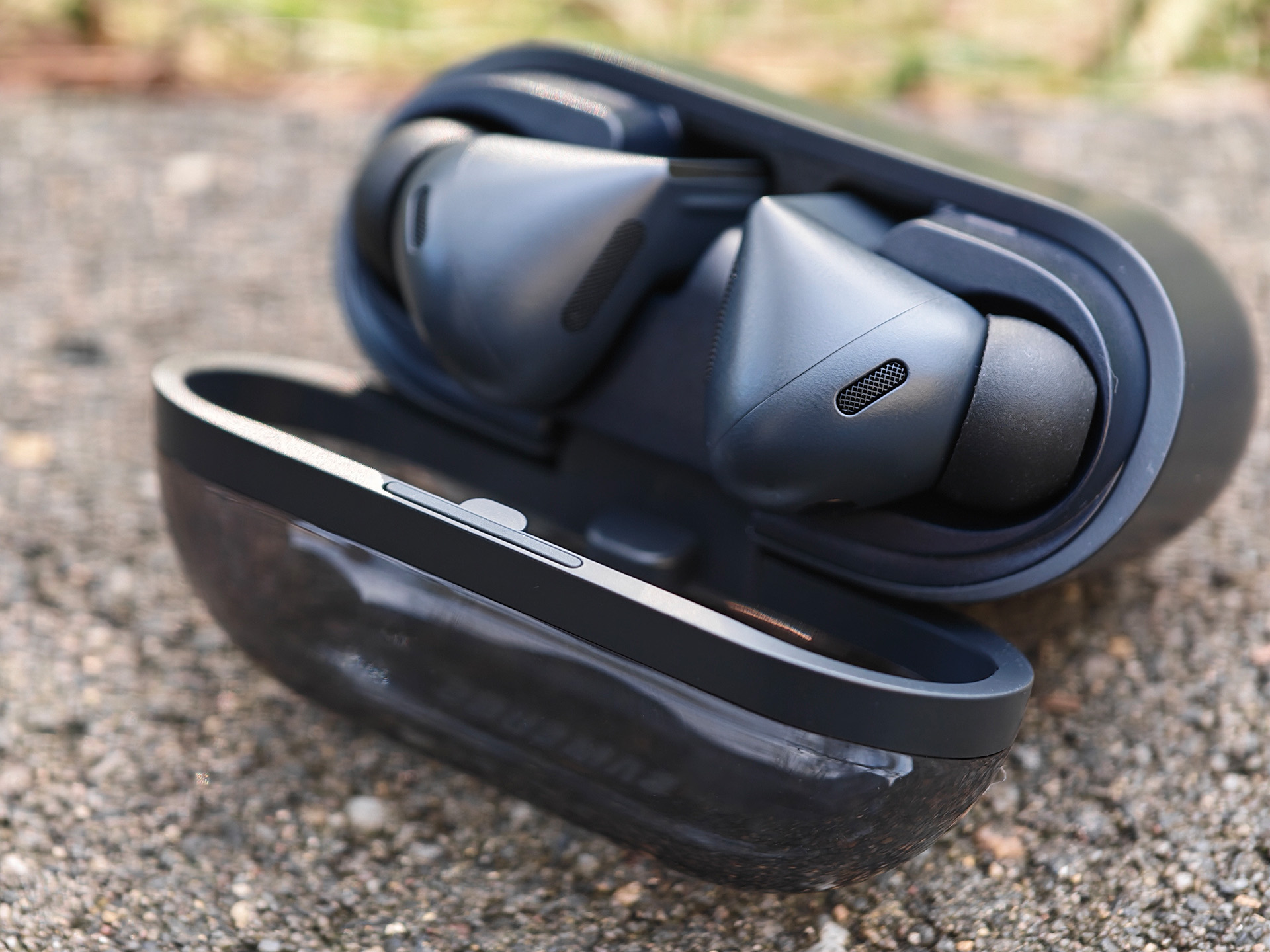
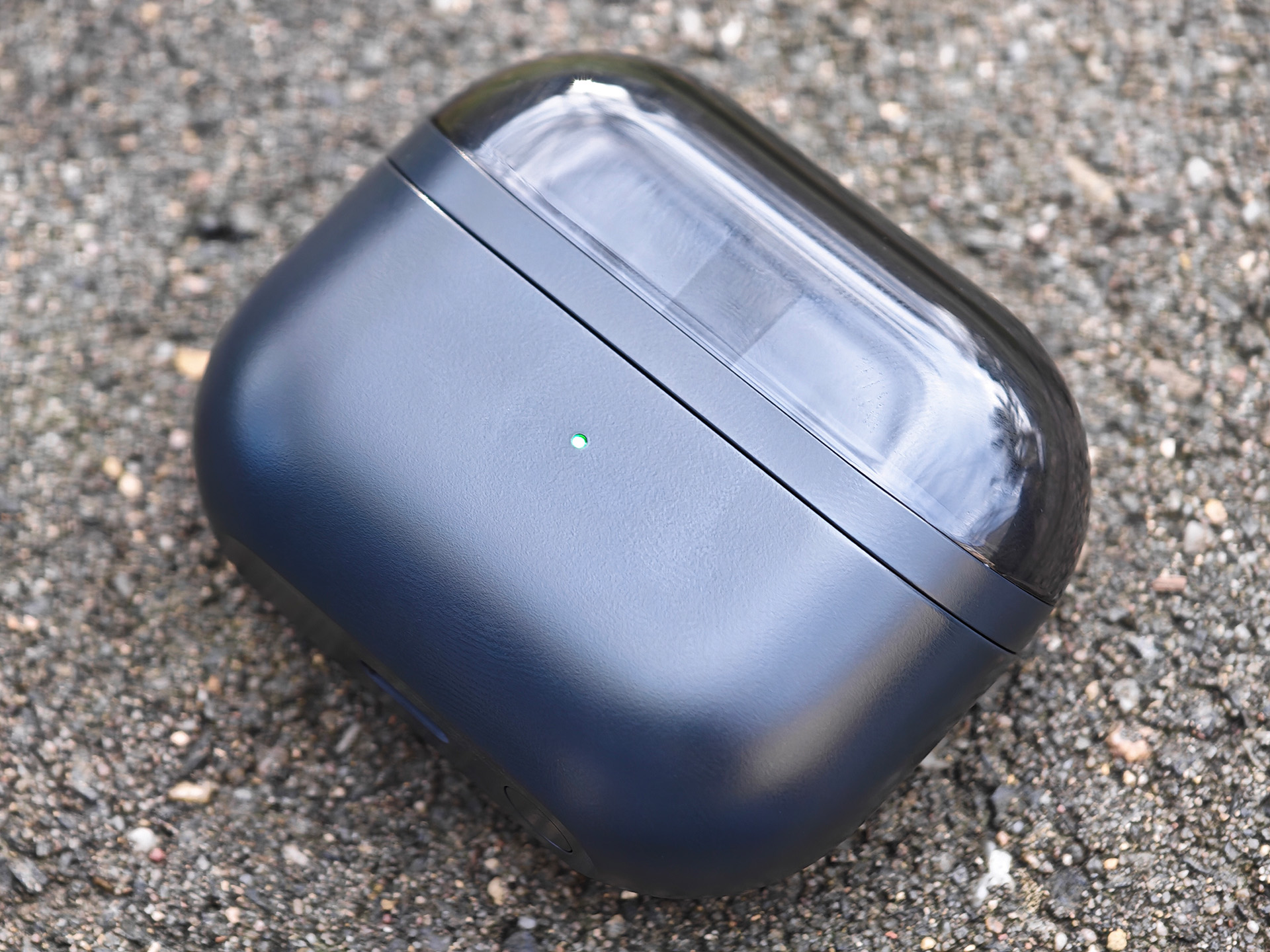
三星Galaxy Buds3 FE(FE 是 Fan Edition 的缩写)的充电盒由哑光塑料制成,具有 IP54 防护等级,看起来坚固耐用且防指纹,但缺少玻璃表面或更昂贵的 Pro 型号的 LED 圆环等高级功能。耳塞本身仅重 5 克,采用灰色或白色等中性色哑光表面处理。耳机盒的磁性闭合安全可靠,可防止意外打开。
Buds3 FE 根据人体工程学原理进行了优化,采用三种尺寸的硅胶耳塞,可提供个性化的佩戴体验,被动隔音效果优于开放式入耳式耳机。在实际测试中,它们在步行或骑自行车时都能牢牢固定。对于入耳式耳机来说,压力是可控的,即使长时间佩戴也相当舒适。耳机杆上的触摸控制非常精确,不过最初需要一些时间适应,才能稳定地触发双击和三击。
可持续性 - 三星耳机无法维修
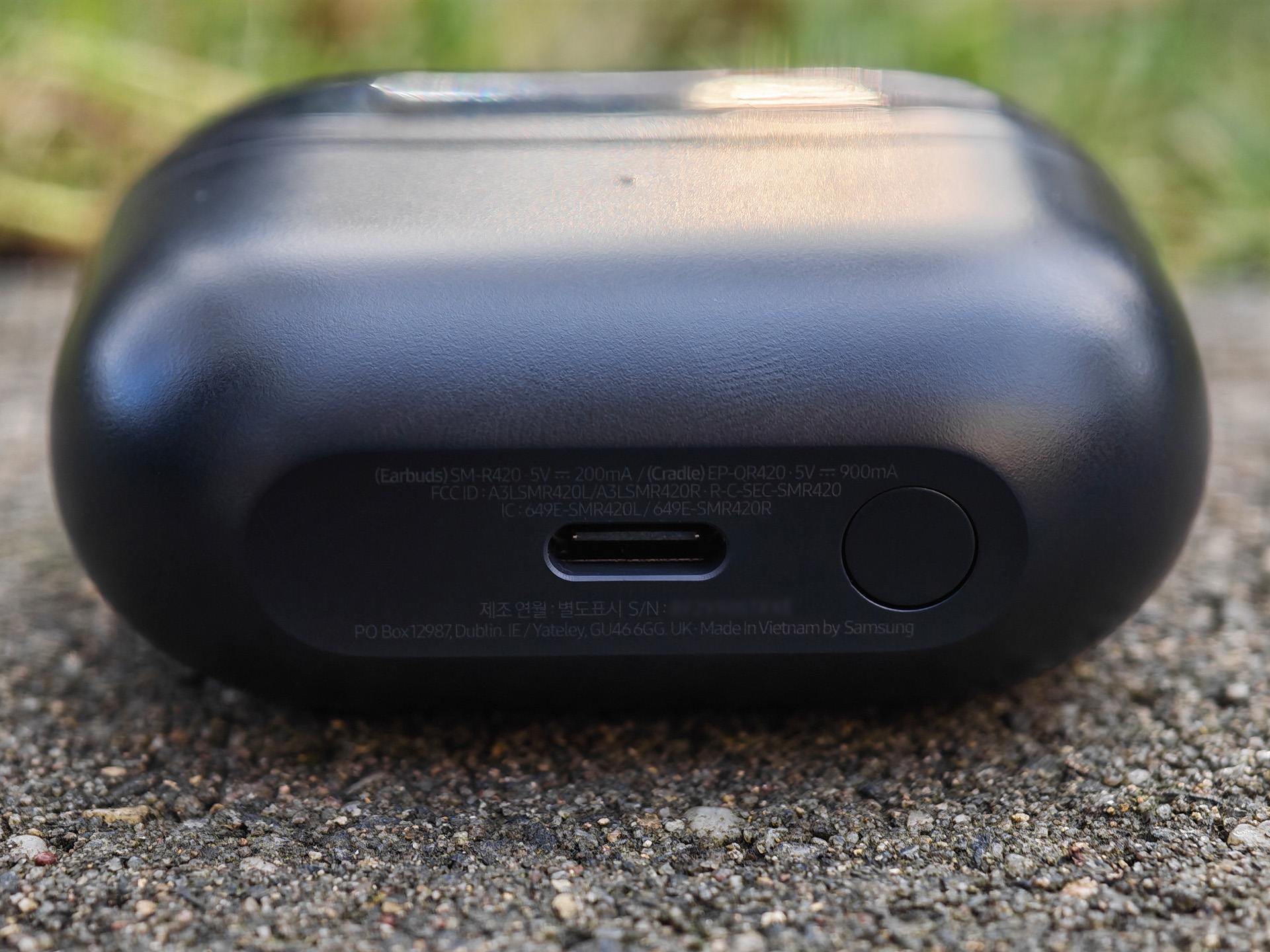
Galaxy Buds3 FE 包装在一个小纸盒中,盒内无任何可见塑料。三星没有提供有关其耳机可持续性的具体信息,也不打算让用户修理耳机。
功能和操作 - SSC 编解码器,但没有 24 位音频
11 毫米动态驱动器提供声音,支持 SSC(三星无缝编解码器)、AAC 和 SBC 等编解码器。不过,SSC 编解码器只适用于三星手机,但由于 Buds3 FE 不支持 24 位高保真音频,所以这并不是主要缺点。不过,Buds3 FE 支持 360 度音频。每个耳塞有三个麦克风,可进行人工智能语音处理,增强通话效果,ANC 采用自适应混合技术,降噪效果高达 30 分贝。
三星Galaxy Buds3 FE 耳塞柄上的触摸控制按钮可实现精确控制:轻点可播放/暂停,轻扫可调节音量,按住可切换 ANC 模式。这些手势可在Galaxy Wearable 应用程序中自定义。该应用程序还允许进行均衡器预设、尖端贴合测试、固件更新以及访问Galaxy 人工智能工具(如口译模式)。Galaxy 设备之间的无缝切换运行完美,但缺少与非三星设备的多点连接。


声音 - 整体均衡
三星Galaxy Buds3 FE 的 11 毫米驱动器产生的声音相对均衡,低音略有增强,中音清晰,高音则有些过于突出。尽管如此,对于真正的无线耳机来说,三星耳塞还是能提供相当均衡的声音。 Galaxy 人工智能还能通过兼容设备上的头部追踪功能实现空间音效(360 音频),应用程序中的均衡器调整功能提供了 "动态 "或 "低音增强 "等预设值,以便进行微调。发烧友可能会感到失望,但对于日常使用,三星提供的整体方案还是很有吸引力的。
自适应 ANC 可以有效地将低频(如交通噪音)衰减 30 分贝,而中频(声音)则会明显降低,但不会造成完全静音。该模式可动态适应环境,而 Ambient Sound 则可让环境声音自然通过,在安静的区域将嘶嘶声降至最低。Buds3 FE 在飞机上也表现出色。
每个耳塞上有三个经过人工智能优化的麦克风,能非常清晰地捕捉语音,风噪也明显降低,但在交通繁忙或强风中仍能听到背景噪音。通话者称通话清晰度良好。
| Loudspeakers | |
| THD | |
| Huawei FreeBuds 7i (RMS: -2.7 dBFS) | |
| Samsung Galaxy Buds3 FE (RMS: -1.0 dBFS) | |
| Nothing Ear 3 (RMS: -2.0 dBFS) | |
| THD+N | |
| Samsung Galaxy Buds3 FE (RMS: -1.0 dBFS) | |
| Huawei FreeBuds 7i (RMS: -2.7 dBFS) | |
| Nothing Ear 3 (RMS: -2.0 dBFS) | |
* ... smaller is better
THD(总谐波失真):谐波失真量化了非线性失真(谐波含量)产生的分量相对于原始信号的大小。THD 仅指基波谐波含量。失真系数经常被同时提及,但指的是整体信号。
THD+N(总谐波失真 + 噪音):该值与 THD 相似,但除了谐波干扰外,噪声干扰也会作为有效值记录下来。
测量时,通过待测耳机播放一个低谐波正弦波信号(1 kHz,> 0 dB),并用一个线性测量麦克风(测量距离:约 1 厘米)在人工头中进行记录。
两个数值都以百分比表示。数值越小,信号保真度越高。
Samsung Galaxy Buds3 FE audio analysis
(+) | speakers can play relatively loud (92.8 dB)
Bass 100 - 315 Hz
(+) | good bass - only 1.7% away from median
(+) | bass is linear (2.5% delta to prev. frequency)
Mids 400 - 2000 Hz
(+) | balanced mids - only 4.1% away from median
(+) | mids are linear (3.4% delta to prev. frequency)
Highs 2 - 16 kHz
(±) | higher highs - on average 9.7% higher than median
(+) | highs are linear (5.4% delta to prev. frequency)
Overall 100 - 16.000 Hz
(+) | overall sound is linear (11.2% difference to median)
Compared to same class
» 7% of all tested devices in this class were better, 2% similar, 91% worse
» The best had a delta of 4%, average was 23%, worst was 136%
Compared to all devices tested
» 7% of all tested devices were better, 2% similar, 91% worse
» The best had a delta of 4%, average was 23%, worst was 136%
Nothing Ear 3 audio analysis
(+) | speakers can play relatively loud (93.6 dB)
Bass 100 - 315 Hz
(-) | nearly no bass - on average 16.1% lower than median
(+) | bass is linear (3.6% delta to prev. frequency)
Mids 400 - 2000 Hz
(±) | reduced mids - on average 8.8% lower than median
(±) | linearity of mids is average (7% delta to prev. frequency)
Highs 2 - 16 kHz
(±) | higher highs - on average 12.2% higher than median
(+) | highs are linear (6% delta to prev. frequency)
Overall 100 - 16.000 Hz
(±) | linearity of overall sound is average (22.1% difference to median)
Compared to same class
» 64% of all tested devices in this class were better, 6% similar, 30% worse
» The best had a delta of 4%, average was 23%, worst was 136%
Compared to all devices tested
» 64% of all tested devices were better, 6% similar, 30% worse
» The best had a delta of 4%, average was 23%, worst was 136%
电池寿命 -Galaxy Buds3 FE,53 毫安时
三星Galaxy Buds 3 FE 为中端市场提供了稳定的电池续航时间,无需不断充电即可轻松完成日常使用,但并没有设定任何基准。
在我们的测试中,启用 ANC 功能后,耳塞每次充电可播放约 4 到 6 个小时,充电盒可将总续航时间延长至 30 个小时。
通过外壳上的 USB-C 端口充电 10 分钟可提供约 60 分钟的播放时间,而充满电则需要一个半小时。不支持无线充电。
Transparency
The selection of devices to be reviewed is made by our editorial team. The test sample was provided to the author as a loan by the manufacturer or retailer for the purpose of this review. The lender had no influence on this review, nor did the manufacturer receive a copy of this review before publication. There was no obligation to publish this review. As an independent media company, Notebookcheck is not subjected to the authority of manufacturers, retailers or publishers.
This is how Notebookcheck is testing
Every year, Notebookcheck independently reviews hundreds of laptops and smartphones using standardized procedures to ensure that all results are comparable. We have continuously developed our test methods for around 20 years and set industry standards in the process. In our test labs, high-quality measuring equipment is utilized by experienced technicians and editors. These tests involve a multi-stage validation process. Our complex rating system is based on hundreds of well-founded measurements and benchmarks, which maintains objectivity. Further information on our test methods can be found here.
 Add as a preferred source on Google